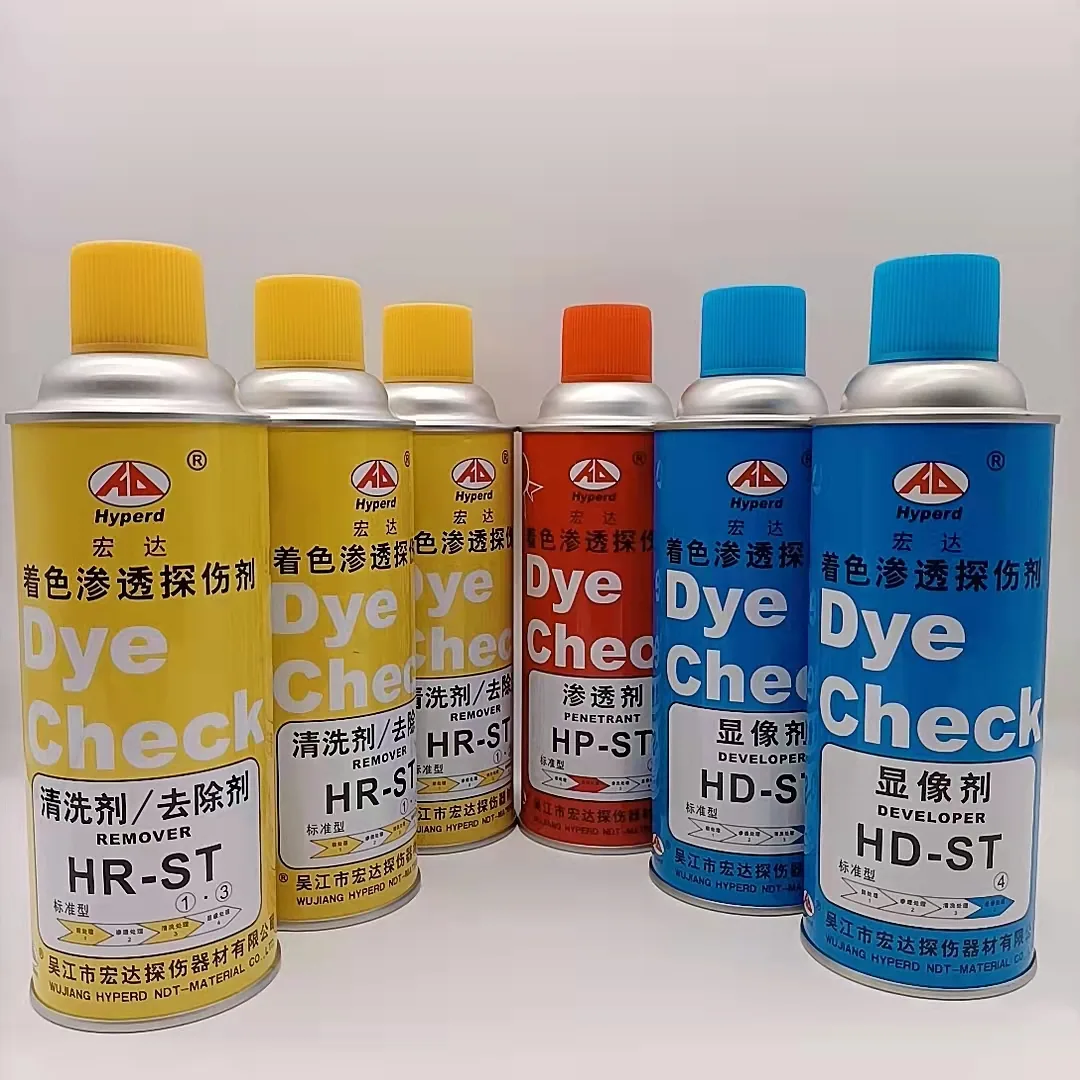
Dye Penetrant Testing for Metal Components
Liquid penetrant testing (PT) is a nondestructive method for detecting defects that open to the surface of suitable nonporous materials. Penetrant enters.
Read Insight →
Practical manufacturing insights covering investment casting, forging, CNC machining, materials, inspection, quality control and custom metal components.
Liquid penetrant testing (PT) is a nondestructive method for detecting defects that open to the surface of suitable nonporous materials. Penetrant enters.
Read Insight →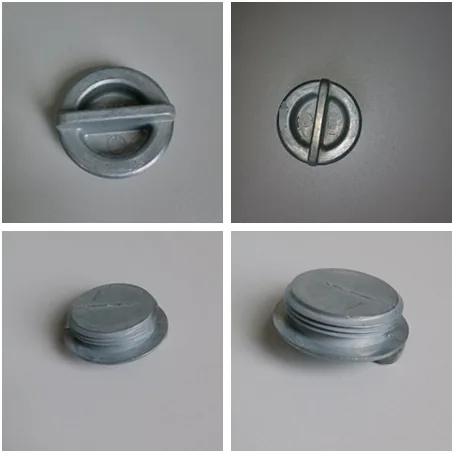
Aluminum and zinc alloys can both be die cast, but they differ in density, melting conditions, thermal behaviour, corrosion characteristics and typical.
Read Insight →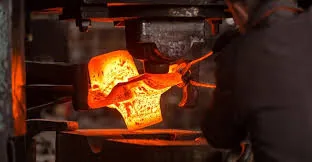
A forged blank passes through material verification, stock cutting, heating where required, preforming, forging, trimming and any specified heat treatment.
Read Insight →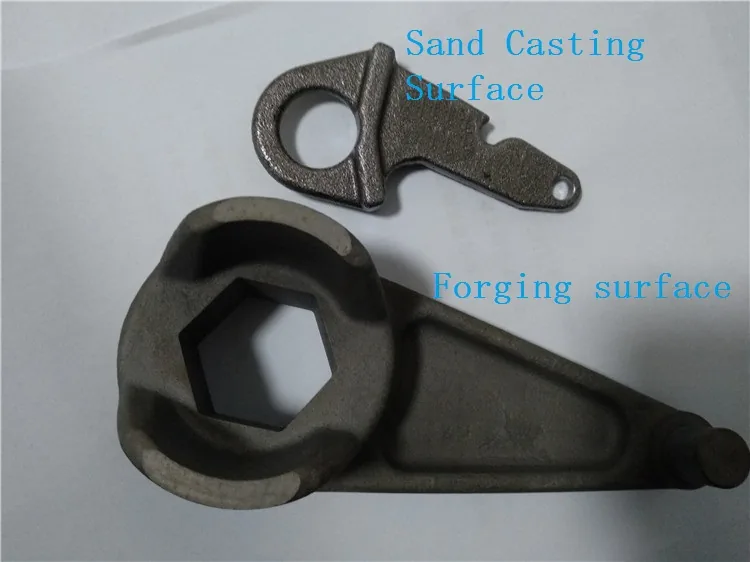
Casting and forging create metal blanks by fundamentally different mechanisms. Casting solidifies molten alloy in a mould and can accommodate complex.
Read Insight →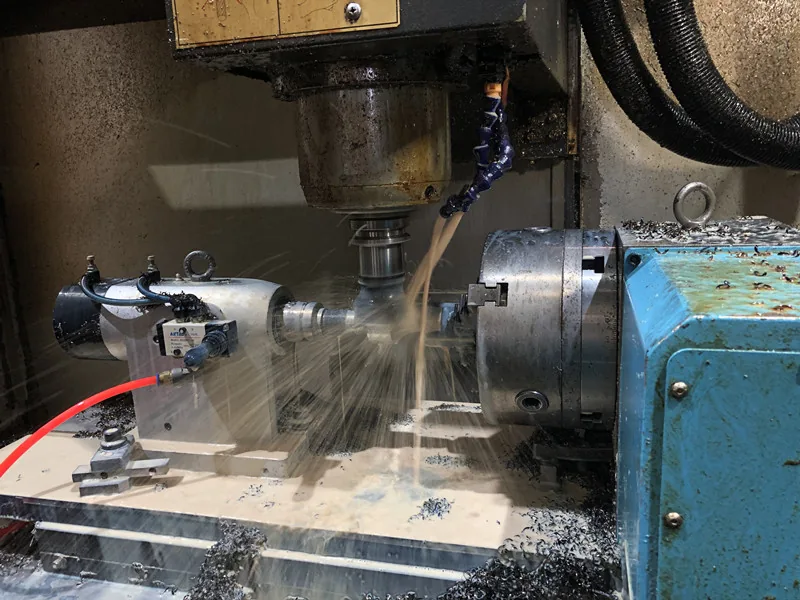
Cutting fluids help remove heat, reduce friction, carry chips away and provide some protection during machining. An unsuitable fluid can shorten tool life.
Read Insight →
Large or awkward metal parts may be difficult to transfer repeatedly into a conventional metrology room. Portable measuring arms and other 3D measurement.
Read Insight →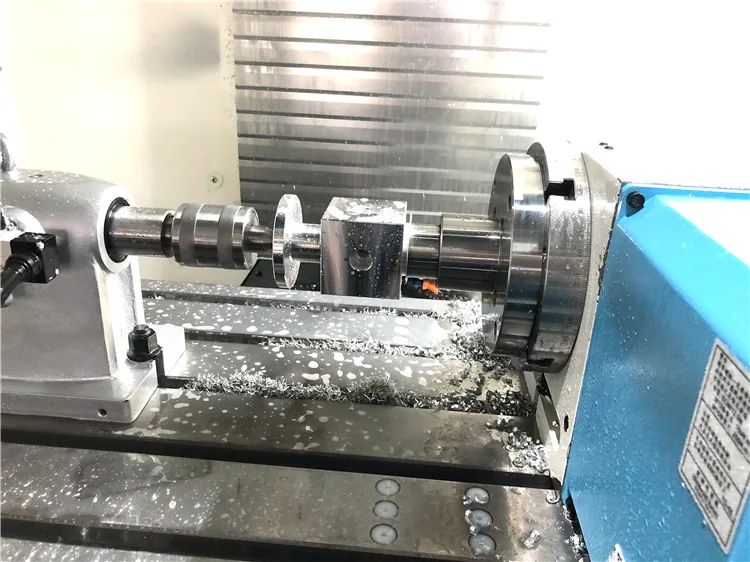
Operation sequence affects both efficiency and dimensional stability. A component may pass through blank preparation, rough machining, heat treatment.
Read Insight →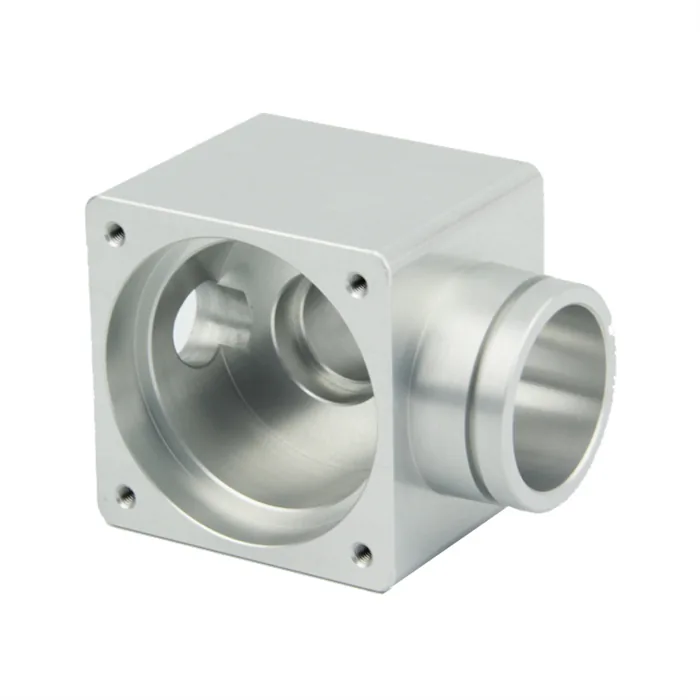
A model that is easy to draw is not necessarily easy to manufacture. Design for manufacturing examines tool access, workholding, material stock, wall.
Read Insight →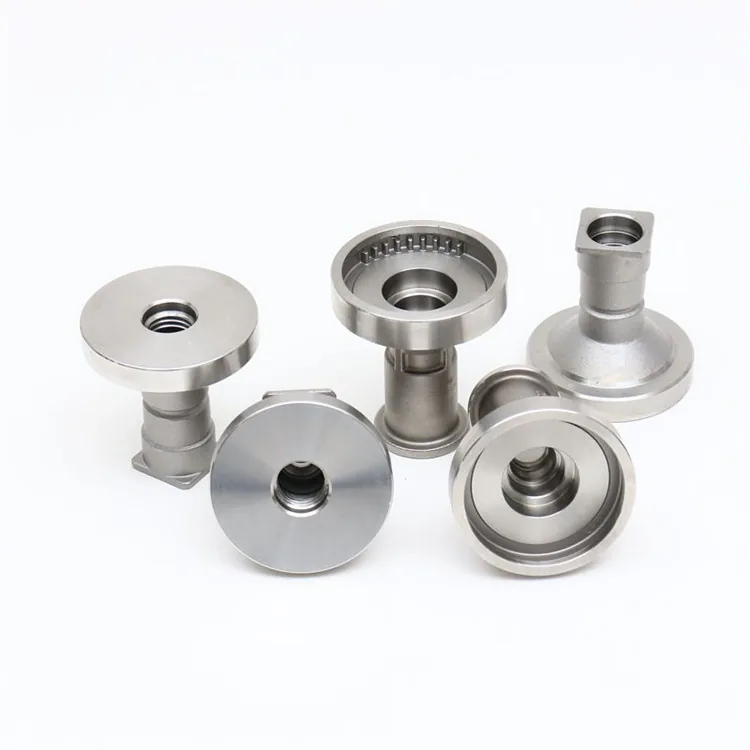
CNC part pricing is not simply material weight multiplied by a raw-stock rate. The finished cost includes material utilization, machine time, setup work.
Read Insight →
China 45 steel and Q235 are both encountered in industrial machining, but the designations describe different material concepts. Grade 45 is a.
Read Insight →
Anodizing creates a controlled oxide layer on suitable aluminum alloys. Depending on the process, it can improve corrosion performance, appearance and.
Read Insight →
Material selection should start with how the component works, not the price per kilogram. Loads, operating temperature, corrosion exposure, mass.
Read Insight →Send your drawing, material, quantity and critical requirements. TIANHUI can review the process route and prepare a manufacturing quotation.