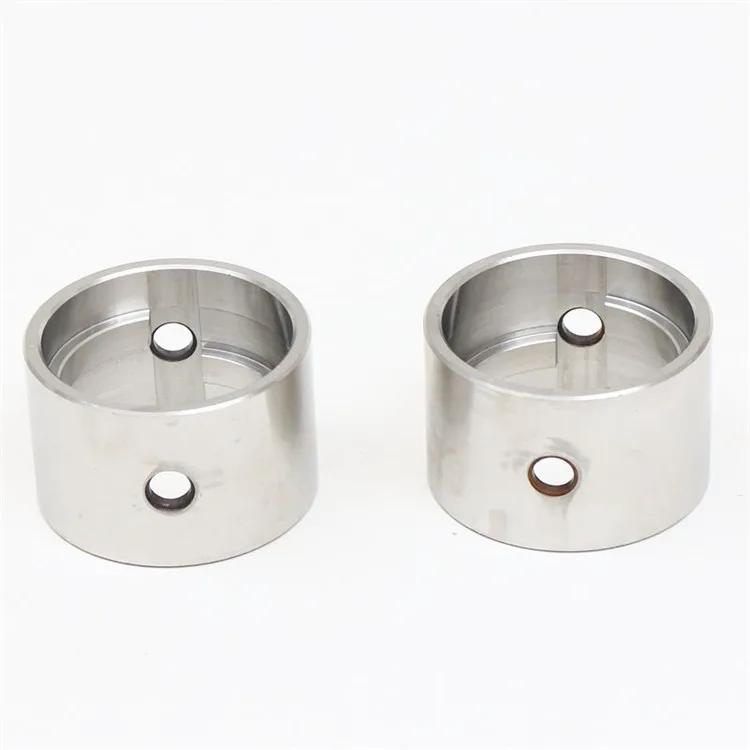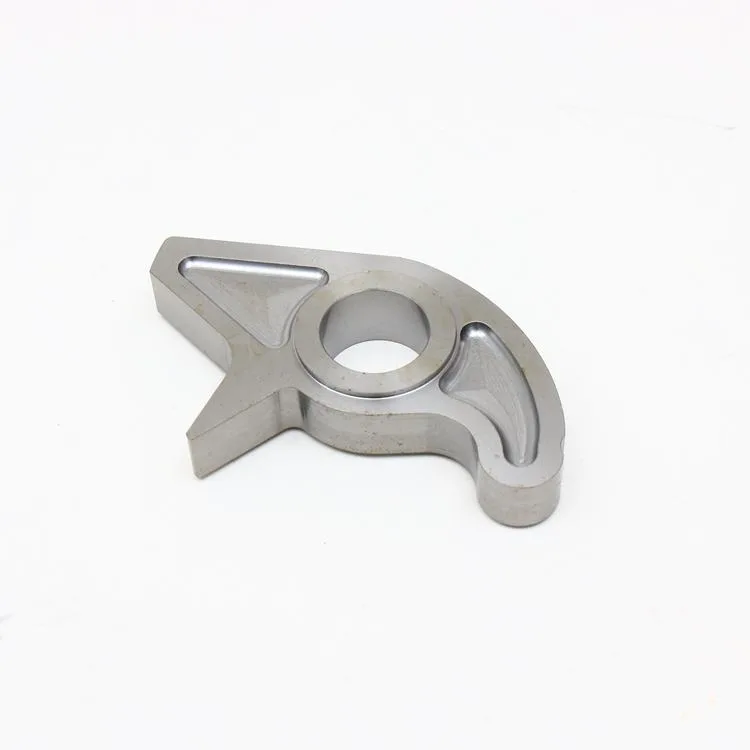
Engineering Context
Operation sequence affects both efficiency and dimensional stability. A component may pass through blank preparation, rough machining, heat treatment, semi-finishing, finishing, deburring and inspection. If these steps are arranged poorly, a later operation can disturb features that were already accepted.
Process and Design Choices
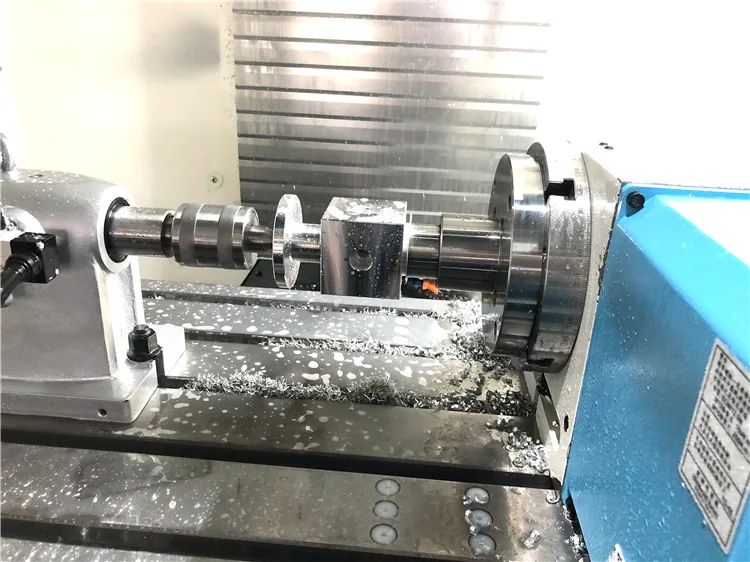
A stable datum system should be created early. Large material removal generally comes before critical finishing, while heat-treated steels may require allowance for distortion. Thin or unbalanced sections sometimes benefit from staged or symmetric cutting to reduce movement after stress release.
Common Problems and Risks
Common failures include changing datums midway through the route, distortion after heat treatment, coating on precision mating faces and damage during final deburring. Each operation needs an understood incoming condition, measurable output and process control point.
What to Specify and Check
For multi-stage castings and forgings, request a high-level process route and first-article inspection plan. Verify that tooling, drawing revision and inspection datums agree before releasing serial production. Process changes should be reviewed and recorded.
Illustrative Application (Not a Customer Case)
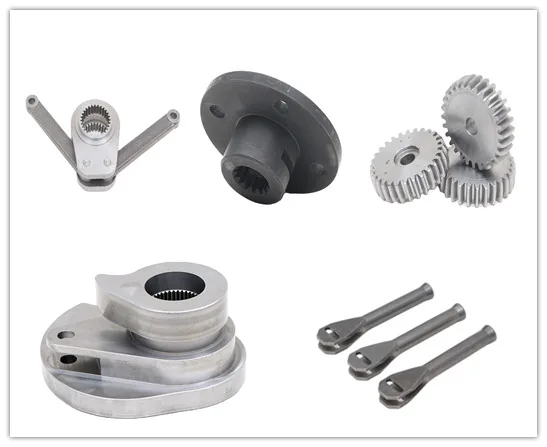
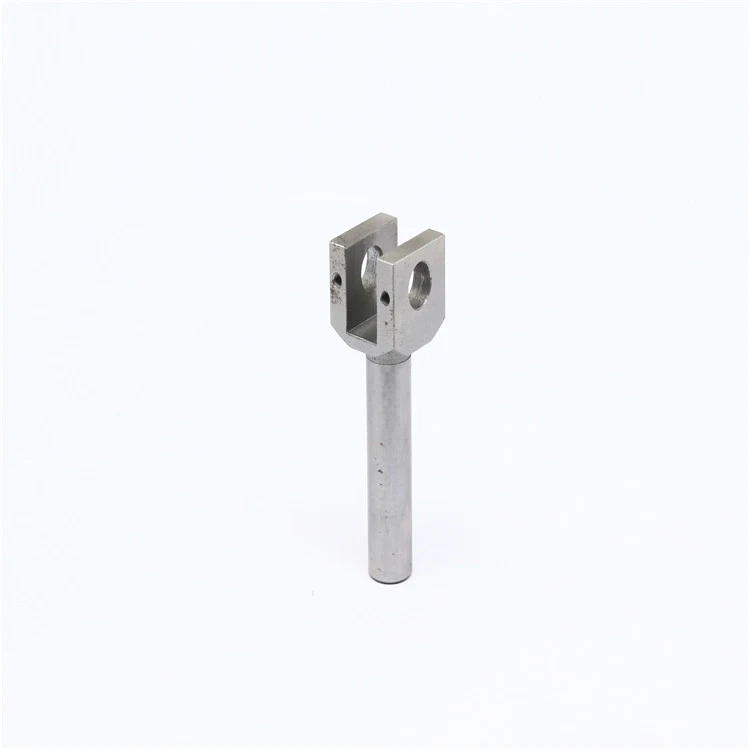
A forged linkage may need heat treatment, drilling and final grinding. If a critical bore is accepted before a distortion-producing stage, that earlier measurement may not describe the delivered part. Inspection checkpoints must match the operation sequence.
Practical FAQ
FAQ: Why establish datums early? Later features depend on repeatable reference surfaces. An unstable initial datum can propagate relationship errors through multiple operations.
Information for a Manufacturing Review
For a drawing-based custom component, provide the controlled 2D or 3D drawing, material specification, expected quantity, critical features and applicable inspection requirements. Final manufacturing and acceptance criteria should be agreed in the project documentation.