
Hot- and cold-forged blanks and finished components are reviewed around load direction, geometry, material flow and downstream machining.
Forging
Forged Components for Strength-Critical Applications
Forging shapes metal under controlled force to produce durable components for demanding mechanical and load-bearing applications.
TIANHUI MACHINE supports hot- and cold-forged OEM parts from drawing review and tooling through forging, heat treatment where required, CNC machining and inspection.
Capability Snapshot
Forging Capability at a Glance
Forging should be screened around loading, material, grain flow, heat treatment, machining allowance and inspection—not simply around part shape.
Additional aluminum or copper alloys can be evaluated when specified by the application.
Heat-treatment requirements are linked to the grade, mechanical properties and drawing.
Supply scope can be reviewed from forged blank through precision CNC machining.
NDT and mechanical-property checks are applied where the project or drawing requires them.
Practical size and weight depend on material, equipment, die layout and required deformation.
Buyer note:If you already machine forged parts in-house, ask for separate prices for forged blank, rough-machined and fully machined conditions. It makes the real cost of each sourcing route visible.
Key Advantages
Why Choose Forging?
The process is selected around the final loading, geometry, material and machining requirements rather than strength alone.
High Mechanical Strength
Suitable for demanding mechanical components and load-bearing applications.
Controlled Grain Flow
Material flow can follow the forged geometry and support component performance when properly designed.
Fatigue Resistance
Appropriate forging and heat treatment can support reliable behavior under repeated loading.
Machined Finished Parts
Critical surfaces, bores, threads and interfaces can be CNC machined after forging.
Tooling, Heat Treatment & Approval
Forging Approval Continues After the Part Leaves the Die
A forging can look correct and still fail the application if grain flow, heat treatment, machining sequence or NDT requirements are not controlled.
Engineering Review
Review parting, draft, grain-flow intent, machining stock, material standard and critical load areas.
Die & Preform
Tooling and preform strategy are developed around material flow and the final forged shape.
Trial Forging
Samples are checked for fill, laps, scale, deformation and sufficient machining stock.
Heat Treat / Machine
Specified heat treatment, where required, and machining are completed before final property and dimensional checks.
FAI / NDT Approval
First-article, mechanical or NDT requirements are completed according to the agreed project plan.
Commercial point:Do not compare forging quotations until tooling, heat treatment, rough or finish machining, NDT, mechanical testing and certificates are separated or clearly included.
Materials
Material Options for Forging
The material should be selected around strength, toughness, corrosion, temperature, wear and final service conditions.
Carbon Steels
Commonly selected for general mechanical and structural forged components.
Alloy Steels
Used where higher strength, toughness, wear resistance or specific heat-treated properties are required.
Stainless Steels
Suitable for applications requiring corrosion resistance together with mechanical performance.
Aluminum Alloys
Used for lightweight forged components where strength-to-weight ratio matters.
Copper Alloys
Selected for specific electrical, thermal, corrosion or mechanical requirements.
Specified Grades
Material standards and heat-treatment requirements can be reviewed from the drawing and project specification.
Forging Process
From Engineering Review to Finished Part
A controlled route connects forging design, material preparation, heat treatment, machining and final inspection.
Engineering Review
Review geometry, parting line, draft, material flow, machining allowance and critical requirements.
Billet Preparation
Prepare the specified stock size and verify the material before forming.
Preform & Process Setup
Prepare the preform and process conditions; heating is controlled for hot forging, while cold-forging routes are reviewed around material condition and forming sequence.
Hot / Cold Forging
Form the component under controlled force using the approved tooling and process sequence for the selected forging route.
Trim / Heat Treat
Trim or clean the forging and complete heat treatment, surface preparation or local hardening where specified.
Machine & Inspect
Finish critical features by CNC and verify the completed part against requirements.
Documented Project Proof
Forging Projects Where Machining and Heat Treatment Matter
These examples show why forged-part sourcing often extends beyond the forging operation itself.
Forged & Machined Cam
Forging, rough machining, quenching and tempering, precision machining and induction hardening.
- ISO 2768-mK reference
- Selected dimensions to IT7
- Ra 1.6 machined surface requirement
- 8H involute spline
- Induction hardened HRC 56–60
Stainless Steel Forged Eccentric Camshaft
A forging + machining route for a core control-mechanism component with tight spline and angular relationships.
- Selected dimensions to IT7
- Ra 1.6 surface requirement
- 7f involute spline
- ±0.15° angular relationship
- 100% non-destructive testing
Featured Products
View All Products →Selected Forged Components
Representative associated products for this manufacturing capability.
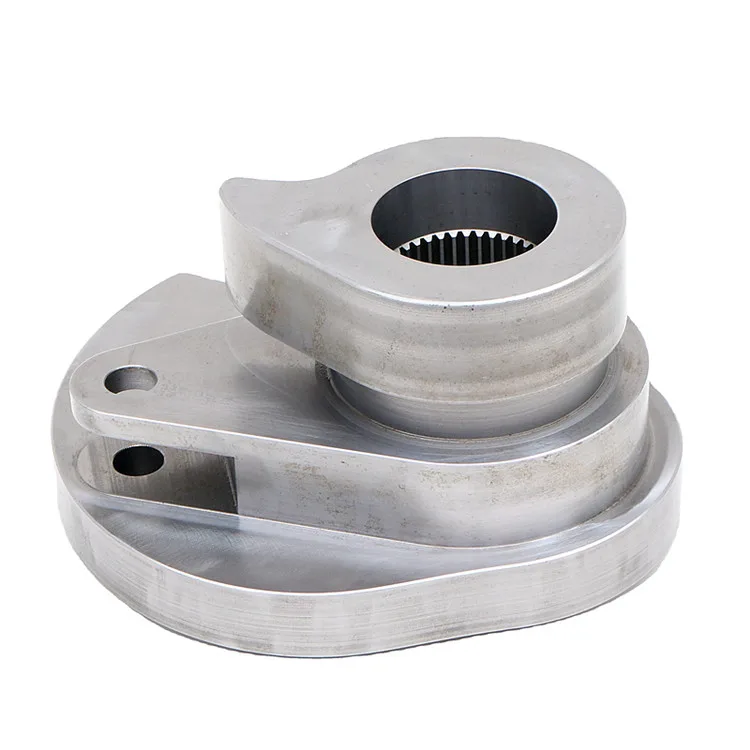
OEM COMPONENT
Hot-Forged High-Pressure Equipment Cam
Hot-Forged High-Pressure Equipment Cam. A cam item whose profile defines its interaction with the mating follower or linkage.
View Product →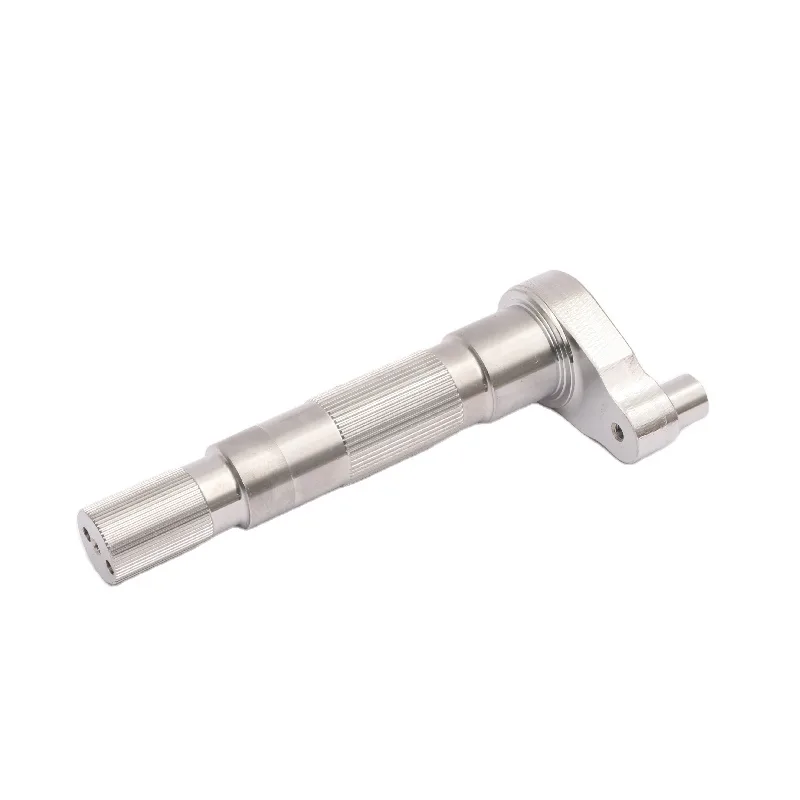
OEM COMPONENT
Forged Stainless Steel Eccentric Camshaft
Forged Stainless Steel Eccentric Camshaft. A camshaft with an eccentric feature for the specified mechanism.
View Product →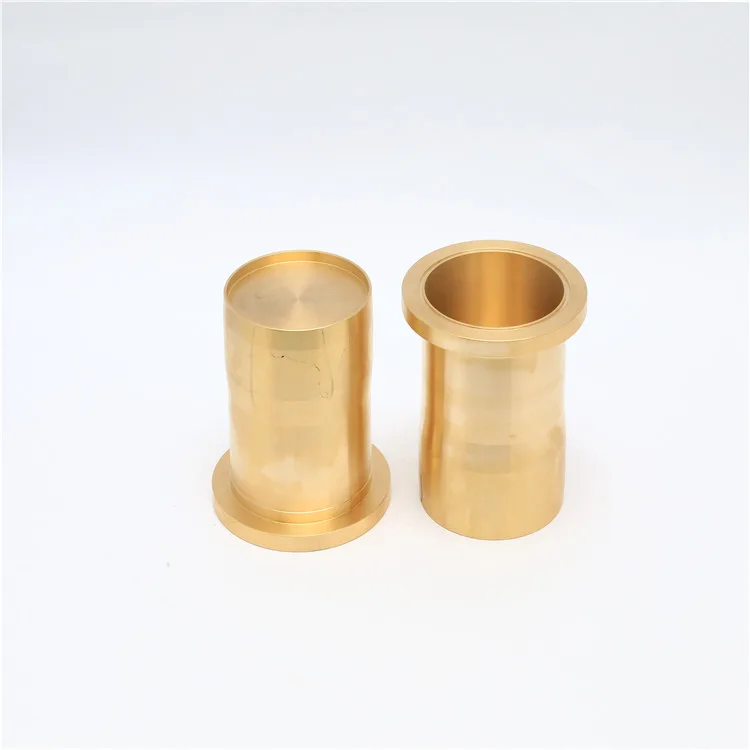
OEM COMPONENT
Forged Copper Flanged Cylinder
Forged Copper Flanged Cylinder. A cylinder item incorporating a flange connection.
View Product →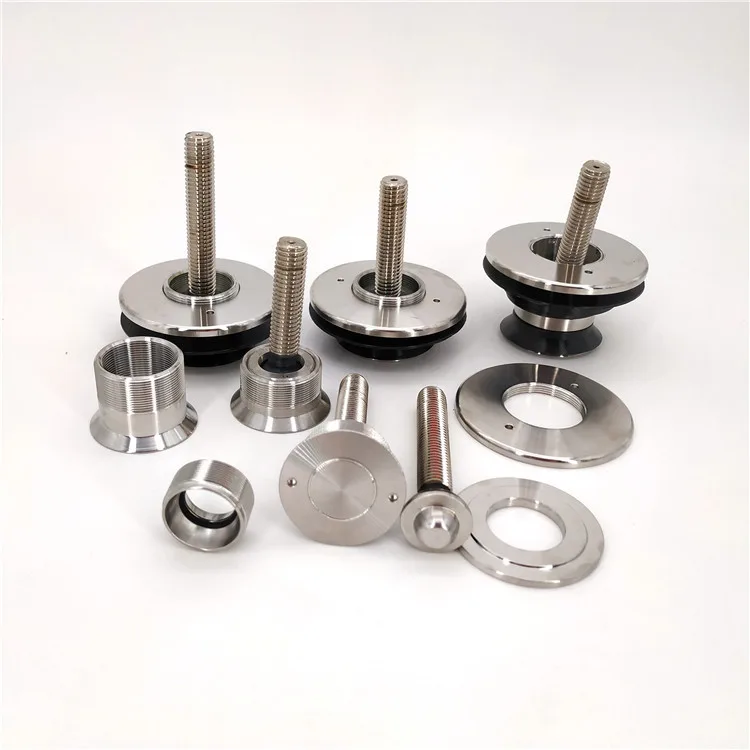
OEM COMPONENT
Forged Stainless Steel Building Assembly Component
Forged Stainless Steel Building Assembly Component. The material specified for this part is Stainless Steel.
View Product →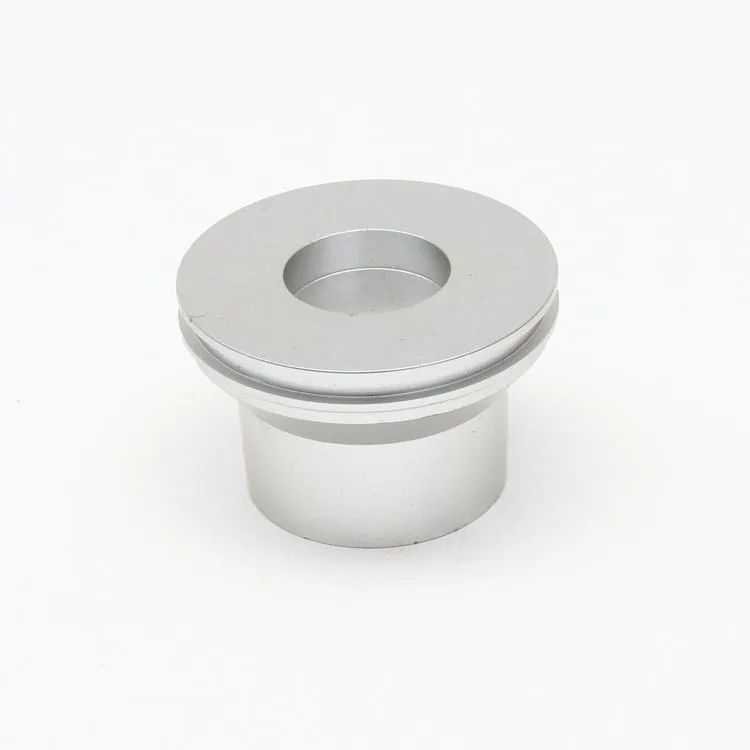
OEM COMPONENT
Precision Machined Hot-Forged Aluminum Component
Precision Machined Hot-Forged Aluminum Component. The material specified for this part is Aluminum.
View Product →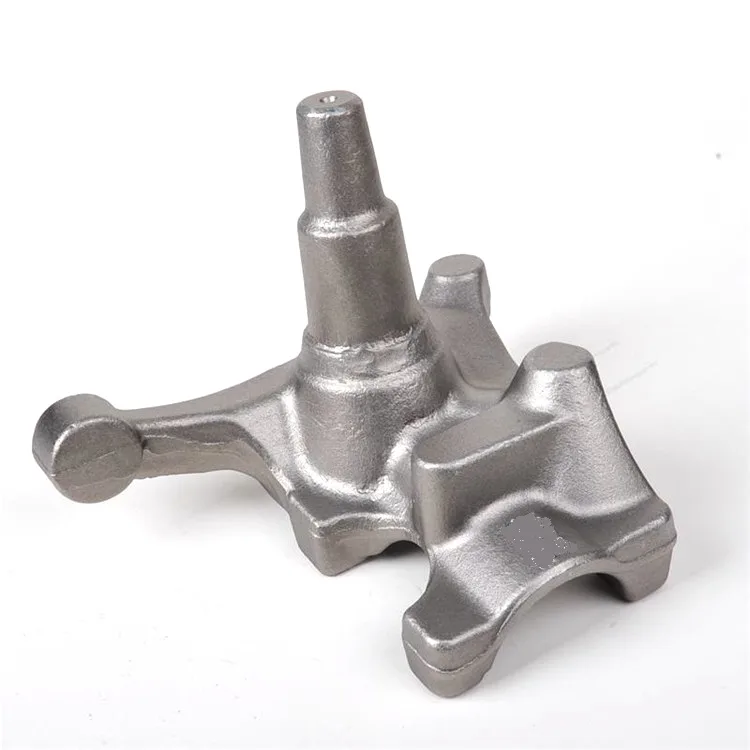
OEM COMPONENT
Precision Machined Forged Carbon Steel Component
Precision Machined Forged Carbon Steel Component. The material specified for this part is Carbon Steel.
View Product →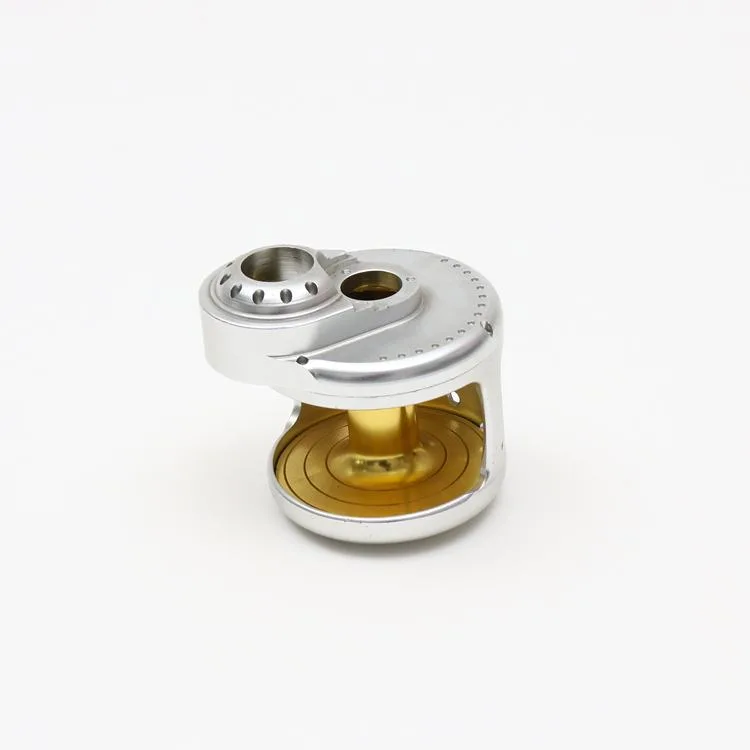
OEM COMPONENT
Custom Fishing Reel Cover
Custom Fishing Reel Cover. A cover item for a fishing reel assembly.
View Product →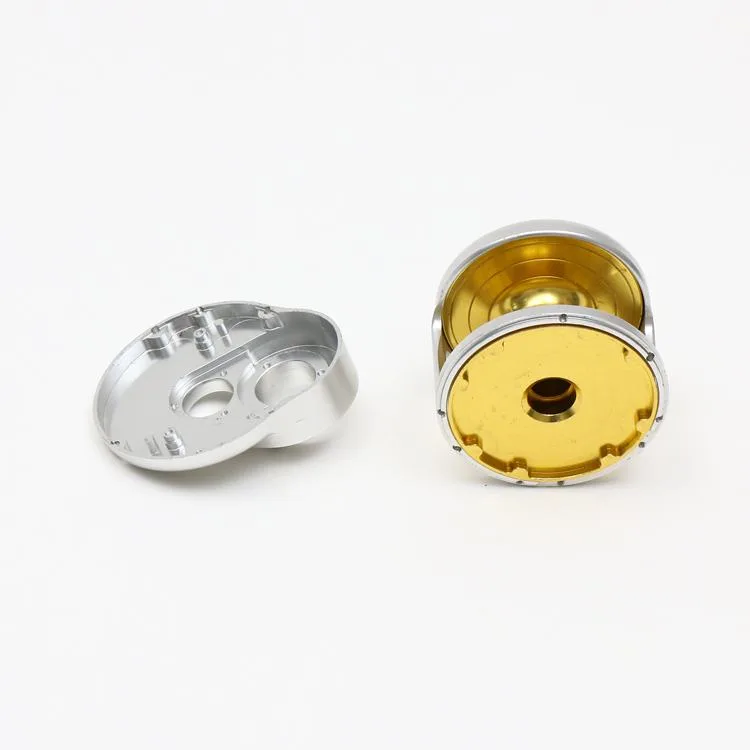
OEM COMPONENT
Custom Hot-Forged Fishing Reel Cover
Custom Hot-Forged Fishing Reel Cover. A cover item for a fishing reel assembly.
View Product →Applications
Industrial Applications
Forged components are used where strength, durability and reliable mechanical performance are important.
Automotive Components
Components developed for automotive systems and OEM production requirements.
Pump & Valve Components
Cast, forged and machined components for pumps, valves and fluid-handling equipment.
CNC Machined Components
Precision components for hydraulic systems, power units and fluid-power equipment.
Industrial Equipment Components
Durable parts for industrial machines, mechanical systems and production equipment.
Agricultural Machinery Parts
Metal components for tractors, implements and agricultural machinery.
Forged Components
Heavy-duty components for construction and earthmoving equipment.
Investment Casting Components
Drawing-based OEM metal parts developed around customer specifications.
Related Capabilities
Choose the Right Manufacturing Route
Different geometry, volume, material or tolerance requirements may favor a casting or machining process instead.
Secondary Operations & Value-Added Services
Forging, Heat Treatment and Machining Should Be Planned as One Route
For strength-critical components, the finished result depends on more than forged shape. Heat treatment, machining, local hardening, NDT and documentation may all be part of the purchase requirement.
Heat Treatment
Quench and temper or other specified heat-treatment routes can be incorporated where the material standard and mechanical properties require them.
CNC Machining
Forged blanks can be supplied rough-machined or finish-machined with controlled datums, bores, threads, splines and assembly interfaces.
Local Hardening & Grinding
Induction hardening, grinding or other local finishing operations can be reviewed when wear surfaces, fits or functional hardness zones are specified.
NDT, Mechanical Testing & Records
Specified NDT, hardness or mechanical-property verification and agreed material or inspection records can be incorporated into the release plan.
Quality Control
Inspection Is Integrated Into the Manufacturing Route
Quality checkpoints are defined around the drawing, material, manufacturing process, secondary operations and finished component requirements.
Drawing Review
Identify critical dimensions, tolerances, material requirements and functional interfaces before production.
Process Control
Plan manufacturing and inspection checkpoints around the approved component requirements.
Dimensional Control
Verify critical machined surfaces, bores, holes, threads and other specified features.
Final Verification
Check finished components and agreed documentation before release and shipment.
Grade verification should be linked to the heat-treatment and mechanical-property requirement.
Mechanical or microstructure checks can be included where the specification calls for them.
NDT scope depends on material, defect class and drawing requirements; some critical projects require 100% inspection.
Finished machining, spline relationships, bores and critical datums are verified after the required process steps.
For critical forgings, define the required material certificate, heat-treatment record, mechanical-property results, NDT method and acceptance standard before quotation. “NDT available” is not specific enough.
Process Selection
When Forging Adds Value Over Casting or Machining From Solid
The right comparison is based on service loading, geometry, material utilization, machining time and annual demand.
Strength, fatigue, impact behavior and material integrity are central to the component's service performance.
The geometry is more intricate, cavities or fine details dominate, and the service load does not require a forged grain-flow advantage.
Compare Investment Casting →The part is a large housing or body where geometry and cost matter more than forged mechanical performance.
Compare Sand Casting →Prototype quantities are low, geometry is simple enough, and the cost of forging tooling cannot be justified.
Compare CNC Machining →
FAQ
Forging Questions Buyers Often Ask
Common questions from buyers reviewing this manufacturing process for OEM components.
Forging is selected when high strength, toughness and reliable mechanical performance are important to the component.
Yes. CNC machining can finish critical dimensions, holes, threads and interfaces after forging.
Yes. A drawing or 3D model can be reviewed for material, forging direction, die design, machining allowance and inspection requirements.
Request for Quotation
Request an RFQ →
Have a Forging Project?
TIANHUI MACHINE provides custom forging services for components requiring strength, toughness and dependable mechanical performance. Our manufacturing capabilities support forged stainless steel, carbon steel, alloy steel, aluminum and brass components. Send your drawing or sample to our China factory for process evaluation and an OEM quotation.
Send your drawing, material grade, annual quantity and technical requirements so forging, heat treatment, machining and inspection can be reviewed together.