
Multi-axis milling and CNC turning are selected around access, setup count and geometric relationships.
CNC Machining
Precision CNC Machining for Custom OEM Components
CNC machining turns engineering drawings and CAD models into finished components with controlled dimensions, repeatable geometry and application-specific surface requirements.
TIANHUI MACHINE supports machining from bar, plate, casting and forging blanks, including prototype development, low-volume programs and repeat production. Casting, forging, machining and inspection can also be coordinated as one manufacturing route.
Capability Snapshot
CNC Machining Capability at a Glance
This section is intended for an early sourcing check. Final feasibility depends on part envelope, workholding, tolerance stack, material, inspection method and the condition of the incoming blank.
Parts can be machined from solid stock or integrated with near-net-shape blanks.
Carbon steel, alloy steel, stainless steel, aluminum and selected copper alloys are reviewed by grade.
Fixturing and process sequence are planned around functional interfaces rather than uniform tolerance everywhere.
Programming and fixture strategy can be matched to development samples, small batches or repeat production.
Measurement method is selected according to geometry, tolerance, surface requirement and reporting needs.
Buyer note:When comparing CNC quotes, ask whether material, fixtures, special tools, heat treatment, coating, CMM reports, deburring and packaging are included. A low unit price often excludes one of these items.
Machining Capability
Built Around the Drawing, Not a Fixed Process
The machining route is selected around geometry, tolerance, material, quantity, inspection requirements and the condition of the incoming blank.
3 / 4 / 5-Axis Machining
Multi-axis equipment can reduce setups and improve access to complex faces and features when the part geometry requires it.
CNC Turning
Turning operations support shafts, sleeves, flanges, threaded features and rotational components with controlled concentric relationships.
Complex Machined Geometry
Bores, pockets, slots, sealing faces, threads and mating interfaces can be machined from drawing-defined datums.
Critical Tolerance Control
Machining strategy, tooling, workholding and inspection are planned around the dimensions that matter most to function and assembly.
Flexible Production Quantities
Suitable routes can be reviewed for prototypes, development samples, small batches and repeat OEM production.
Cast & Forged Part Machining
Machining can be integrated after investment casting, sand casting, die casting or forging to deliver a more complete finished component.
Programming, Fixturing & First Article
Machining Starts With Datum and Setup Decisions
For complex OEM parts, stable fixturing and a clear first-article plan are often more important than the nominal machine axis count.
Drawing / CAD Review
Identify functional datums, GD&T, critical bores, thin walls, deep features, surface finish and special inspection requirements.
Blank & Allowance
Confirm stock condition and whether casting or forging allowance provides enough stable material for datum creation and cleanup.
Program & Fixture
Plan tools, setup sequence and workholding around repeatability, deformation risk and critical feature relationships.
First Article
Run the first complete part and verify the defined critical features before repeat production is released.
Production Control
In-process checks, tool-life decisions and final inspection are applied according to the approved production route.
Cost point:If every dimension is assigned a tight tolerance or fine finish, machining and inspection cost rises quickly. Mark the interfaces that actually control fit, sealing, alignment and service performance.
Materials
Materials Commonly Machined
Material selection should follow the component's strength, corrosion, temperature, wear, weight and service requirements.
Stainless Steels
Used for corrosion-resistant pump, valve, food-processing, industrial and general OEM components.
Carbon Steels
Suitable for general mechanical parts, structural components, housings and machined interfaces.
Alloy Steels
Selected for higher strength, wear resistance, heat-treated properties or demanding mechanical service.
Aluminum Alloys
Used for lightweight housings, brackets, covers and precision components where weight reduction matters.
Copper Alloys
Brass, bronze and related alloys can be considered for selected fluid-handling, electrical and wear applications.
Specified Materials
Customer-specified grades and supplied blanks can be reviewed together with drawing, certification and production requirements.
Machining Process
From Drawing Review to Final Inspection
A controlled process connects the drawing, blank condition, machining sequence, critical datums and final verification.
Drawing & DFM Review
Review geometry, tolerances, datums, material, surface requirements and inspection expectations before programming.
Blank Preparation
Confirm bar, plate, casting or forging condition and prepare suitable machining allowance and reference surfaces.
Programming & Fixturing
Plan the machining sequence, tools, workholding and datum strategy around part stability and critical features.
Rough Machining
Remove material in a controlled sequence while preserving stock for critical finishing operations.
Finish & Deburr
Complete final dimensions, bores, threads, sealing faces and required edge or surface finishing operations.
Inspect & Release
Verify the finished component against the agreed drawing and inspection requirements before final release.
Engineering Focus
What Should Be Defined Before Machining Starts?
Clear drawing priorities help avoid unnecessary machining cost while protecting the interfaces that affect assembly and service performance.
Functional Datums
Datum strategy should reflect how the part locates, assembles and is inspected so critical relationships are controlled consistently.
Machining Allowance
Cast and forged blanks need enough stock for cleanup and datum creation without carrying unnecessary material and machining time.
Tolerance & Surface Priorities
Tight tolerances and fine finishes should be applied where function requires them rather than uniformly across non-critical surfaces.
Documented Project Proof
Machining Examples That Show More Than Machine Axis Count
Real machining difficulty comes from feature relationships, depth-to-diameter ratio, finish, stock condition and inspection—not from the word “precision” alone.
Metering Pump Housing
A sand-cast housing finished by precision machining.
- φ19H7 bore × 230 mm deep
- Approximately 12× diameter depth
- Ra 0.4 surface requirement
- Selected dimensions to IT7
- Special tooling and process control required
4-Axis Precision CNC Components
AL6082 aluminum parts using 4-axis machining for multiple machined interfaces and complex access.
- 4-axis machining route
- Aluminum component production
- Turning, drilling, milling and grinding available by part requirement
- Drawing formats can include common 2D / 3D engineering files
Featured Products
View All Products → Selected CNC Machined Components
Representative associated products for CNC machining and integrated manufacturing programs.
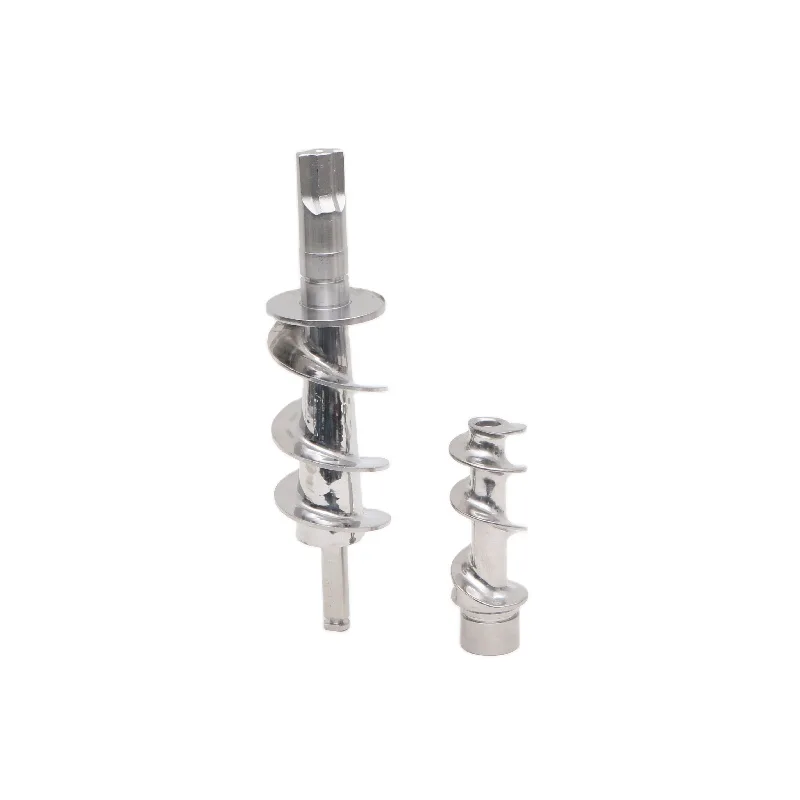
CNC MACHINED PART
CNC Machined Stainless Steel Mixing Shaft
CNC Machined Stainless Steel Mixing Shaft. A shaft item for a mixing assembly, with mixer attachment details defined by the equipment design.
View Product →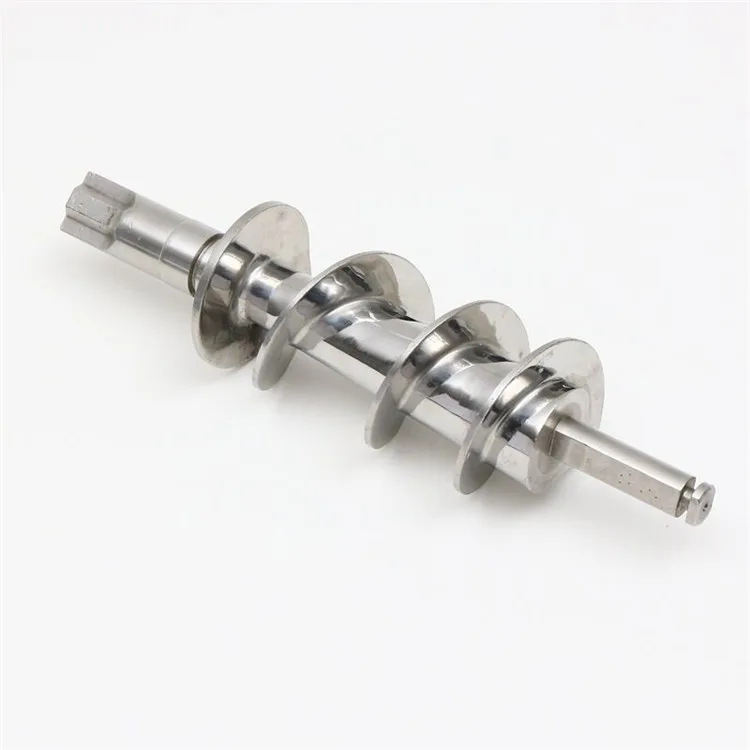
CNC MACHINED PART
CNC Machined Food Machinery Mixing Shaft
CNC Machined Food Machinery Mixing Shaft. A component for food machinery, with the specific equipment interface defined by the drawing.
View Product →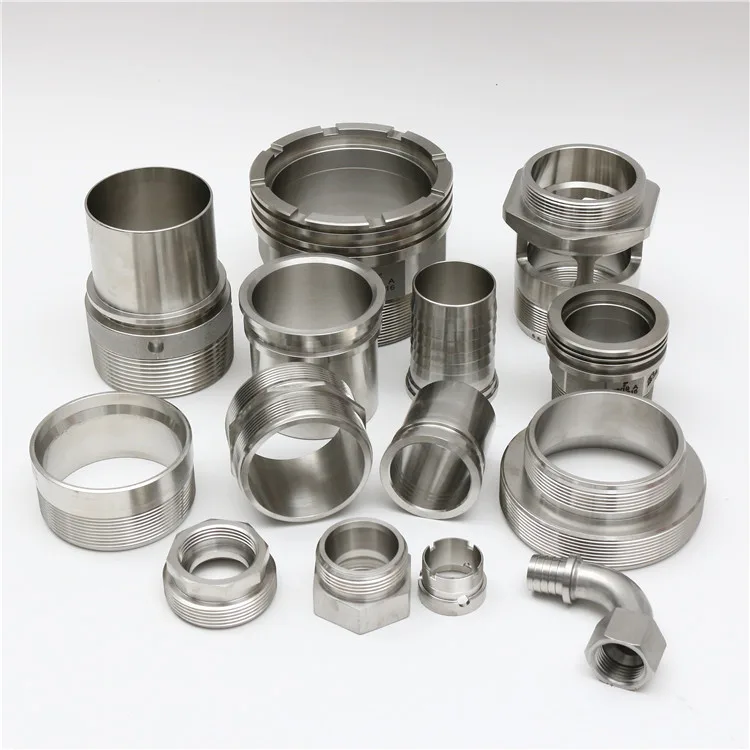
CNC MACHINED PART
CNC Machined Threaded Pipe Fitting
CNC Machined Threaded Pipe Fitting. A pipe fitting for the connection arrangement shown in the order drawing.
View Product →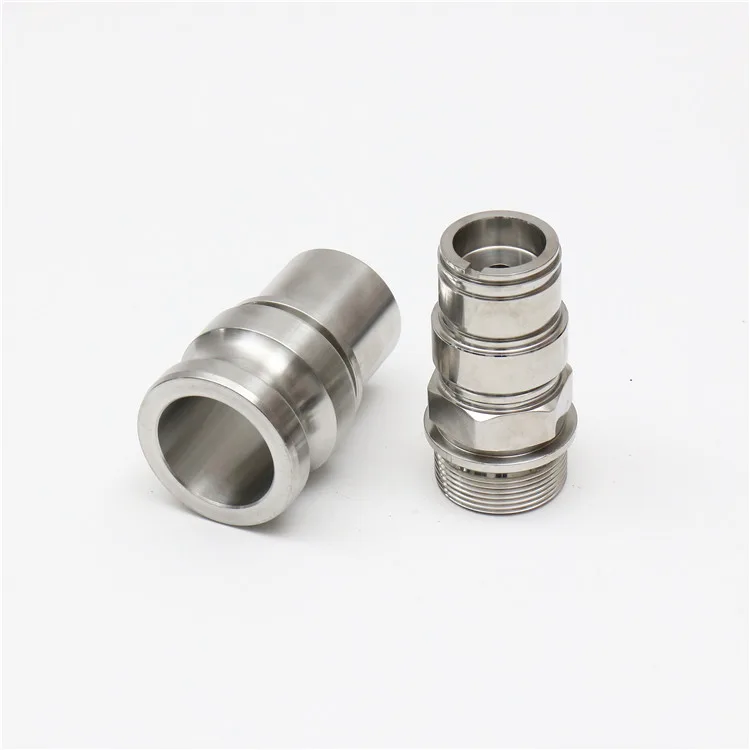
CNC MACHINED PART
CNC Machined Component
CNC Machined Component. Part geometry and material are defined by the order drawing.
View Product →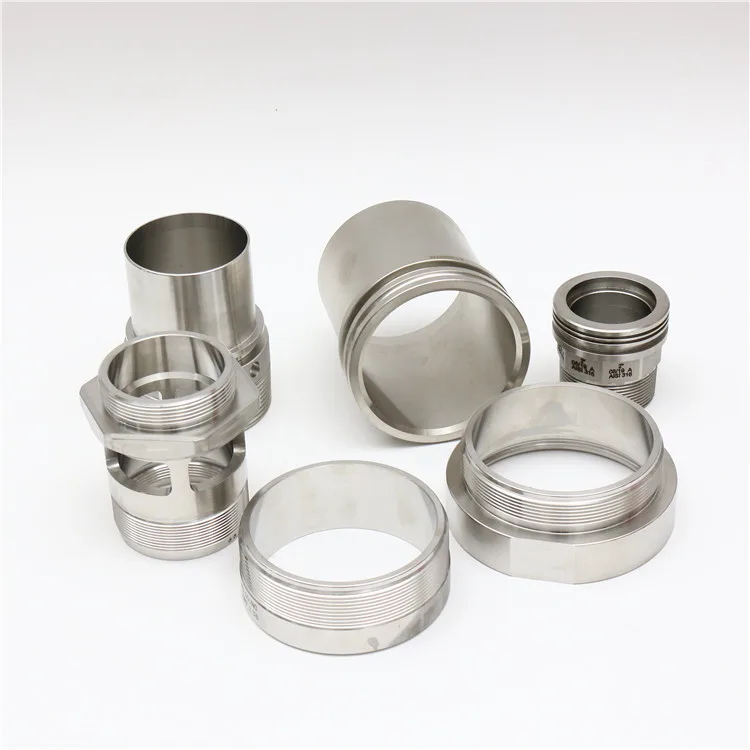
CNC MACHINED PART
CNC Machined Stainless Steel Pipe Fitting
CNC Machined Stainless Steel Pipe Fitting. A pipe fitting for the connection arrangement shown in the order drawing.
View Product →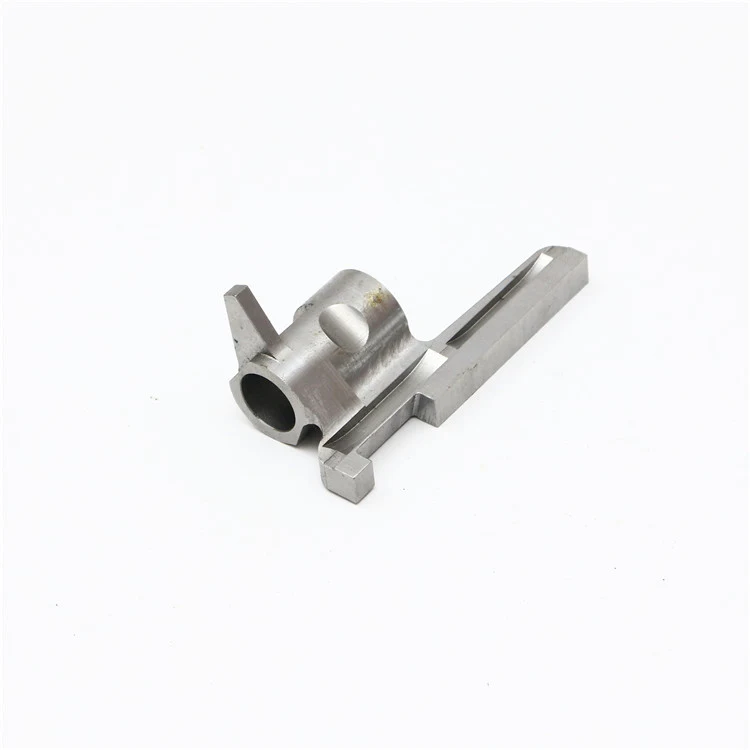
CNC MACHINED PART
CNC Machined Alloy Steel Support Lever
CNC Machined Alloy Steel Support Lever. A lever item for a supporting or actuating linkage.
View Product →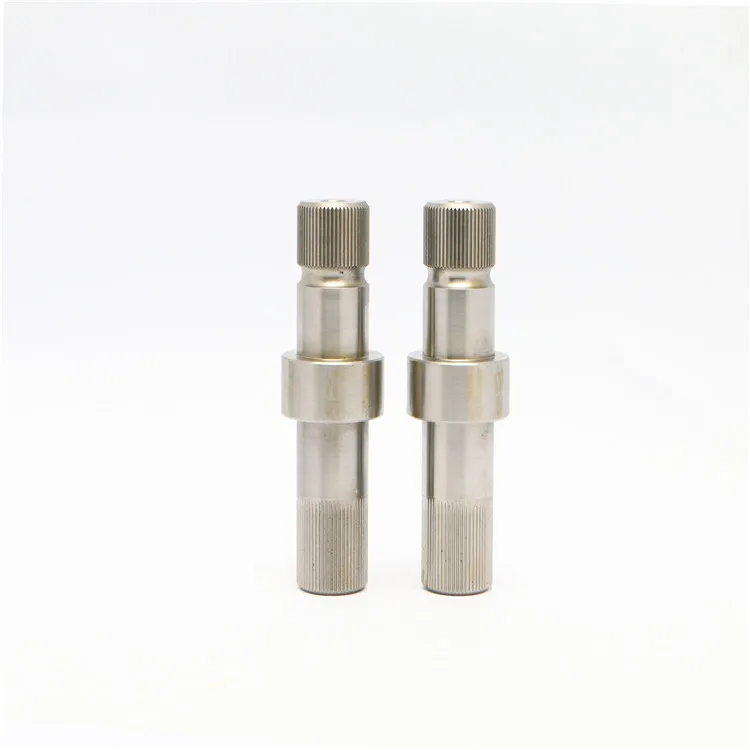
CNC MACHINED PART
Custom CNC Machined Splined Shaft
Custom CNC Machined Splined Shaft. A shaft with a spline interface identified in the product name.
View Product →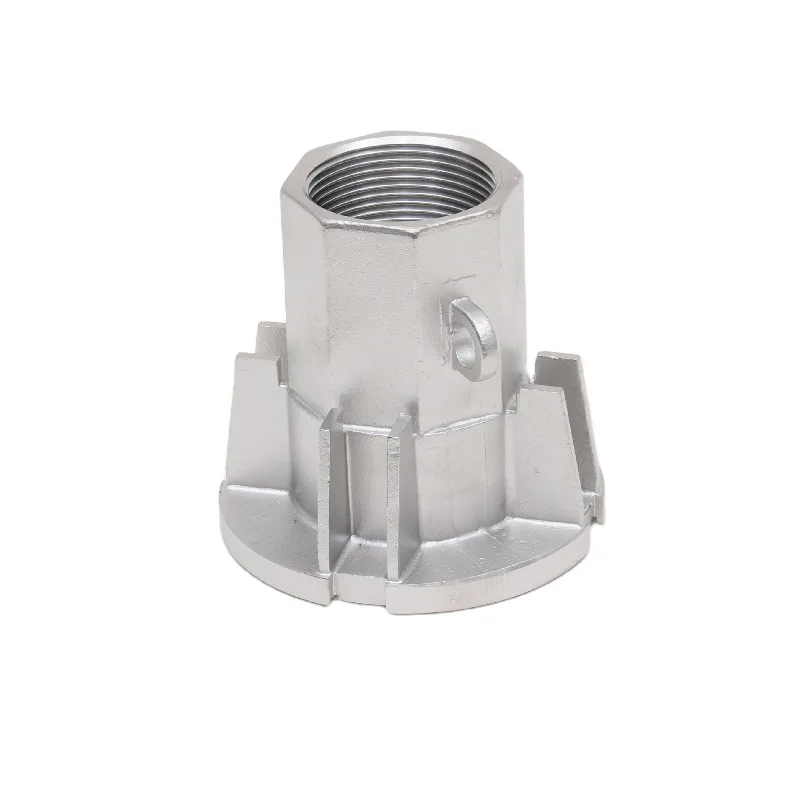
CNC MACHINED PART
CNC Machined Stainless Steel Automotive Pump Component
CNC Machined Stainless Steel Automotive Pump Component. A pump component whose exact geometry is specified by the equipment drawing.
View Product →
Applications
Industrial Applications
CNC machining supports drawing-based components across fluid handling, hydraulic, automotive, agricultural, construction and industrial machinery.
Automotive Components
Machined components developed for automotive systems and OEM production requirements.
Pump & Valve Components
Precision interfaces, housings, shafts and components for pumps, valves and fluid-handling equipment.
CNC Machined Components
Components for hydraulic systems, cylinders, power units and fluid-power equipment.
Industrial Equipment Components
Custom machined parts for industrial machines, mechanical systems and production equipment.
Agricultural Machinery Parts
Machined metal components for tractors, implements and agricultural machinery.
Forged Components
Durable finished components for construction and earthmoving equipment.
Investment Casting Components
Drawing-based OEM metal parts developed around customer specifications and assembly requirements.
Secondary Operations & Value-Added Services
Machining Can Be Integrated With the Operations Around It
Many OEM parts are not complete when the final cutting pass ends. Blank sourcing, heat treatment, finishing, cleaning, inspection and packaging can influence both dimensional control and total sourcing cost.
Cast & Forged Blank Integration
Where appropriate, machining can be combined with Tianhui casting or forging routes so blank geometry, machining allowance and finished datums are reviewed together.
Heat Treatment & Hardness Requirements
Heat-treatment stages can be coordinated before or between machining operations when hardness, distortion or final mechanical properties require them.
Grinding & Surface Finishing
Grinding, deburring, cleaning and specified surface-finishing routes can be incorporated where function, appearance or corrosion requirements demand more than standard machining.
Final Inspection, Documentation & Packaging
Critical dimensions, agreed inspection records, cleaning and export packaging can be planned around the finished component rather than handled as separate sourcing steps.
Quality Control
Machining Quality Is More Than a Final Dimension Check
Drawing review, datum control, in-process checks and final verification work together to keep critical features under control.
Drawing Review
Critical dimensions, GD&T, materials and special requirements are identified before production.
In-Process Control
Key features can be checked during machining before the next setup or finishing operation.
Dimensional Verification
Appropriate measuring equipment is selected according to geometry, tolerance and inspection requirements.
Final Release
Finished parts and required records are reviewed before shipment according to the agreed quality plan.
Critical GD&T relationships, bores, hole patterns and datum-based features can be reported as agreed.
Specified sealing or functional surfaces are checked where finish is part of the acceptance requirement.
Incoming bar, plate, casting or forging material should remain traceable to the project requirement.
Documentation scope is agreed by project rather than added after production has already started.
For complex parts, specify which dimensions require a formal report and which can be controlled by normal in-process inspection. Reporting every non-critical dimension adds inspection time without improving function.
Related Capabilities
Combine Machining With the Right Blank Process
For many OEM components, the best route is not machining from solid. Casting or forging can create the near-net shape before critical features are machined.
Blank Strategy
Machine From Solid—or Start With a Casting or Forging?
This decision can change material usage, cycle time, tooling cost and supply-chain complexity. The lowest machining hourly rate does not necessarily produce the lowest finished-part cost.
Prototype or low-volume demand is important, geometry is machining-friendly, and avoiding casting or forging tooling shortens launch time.
The part has complex near-net geometry and critical interfaces only need local finish machining.
View Investment Casting →The component is a larger housing or body and machining should be concentrated on bores, faces, threads and sealing interfaces.
View Sand Casting →Mechanical loading requires a forged blank but the finished component still depends on controlled datums, splines, bores or threads.
View Forging →
FAQ
CNC Machining Questions Buyers Often Ask
Common questions about CNC machining, drawings, tolerances, materials, quantities and integrated manufacturing.
Yes. Drawings, CAD models and samples can be reviewed for machining feasibility, tolerances, material and finishing requirements.
Yes. Castings can be supplied with CNC-machined functional surfaces, holes, threads and other critical features.
Provide the CAD file or drawing, material, quantity, tolerances, surface finish, special inspection requirements and delivery expectations.
Request for Quotation
Request an RFQ →
Have a CNC Machining Project?
Our precision CNC machining service produces customized components from castings, forgings or solid metal stock. TIANHUI MACHINE supports CNC milling, turning and multi-axis machining for industrial OEM applications. As a China CNC machining factory, we manufacture according to drawings, tolerances, materials and inspection requirements.
Send your drawing, CAD model, material, quantity and critical requirements. We can review the machining route together with casting or forging when a near-net-shape blank may be more suitable.