
For stainless steel, carbon steel and selected special steels. Custom alloy preparation can also be reviewed for projects with approximately 1 metric ton or more of material demand.
Investment Casting Services in China
Investment Casting Services for Complex, Machined OEM Components
TIANHUI provides investment casting services in China for complex steel and stainless-steel OEM components. When investment casting is compared with machining from solid or other forming routes, the key question is whether geometry, alloy and repeat demand justify a near-net casting route. We review integrated features, critical machined interfaces, tooling and annual volume before defining wax, gating, shell and machining allowance.
Capability at a Glance
Investment Casting Capability
TIANHUI combines silica-sol investment casting with downstream machining and inspection for steel and stainless-steel OEM components. The capability data below summarizes process range, material, part weight, finished-part scope and selected project results.
Current investment-casting part-weight range. Final feasibility still depends on alloy, section thickness, geometry and local heavy areas.
Reference maximum overall envelope for investment-cast parts. Tooling, handling and casting feasibility are confirmed against the actual drawing.
Practical minimum reference for general steel investment castings. Local walls, transitions and internal features remain geometry- and alloy-dependent.
Typical quotation range. The applicable tolerance class is selected according to part size, geometry and the actual drawing requirements.
Typical as-cast surface capability reference for suitable geometry and process conditions. Functional interfaces can be machined where tighter finish is required.
Typical lead time for raw casting samples after the route and tooling are confirmed, excluding downstream CNC machining and special secondary operations.
A completed project achieved GB/T 6414-CT7 casting tolerance, selected machined dimensions to IT7 and surface roughness down to Ra 0.8. These are project results, not universal guarantees.
Capability note:The figures above are reference capabilities. Final tolerance class, local wall section, surface condition, alloy feasibility and machining allowance are confirmed from the actual drawing and material requirement.
Process Fit
Choose Investment Casting When Geometry Can Replace Machining
The strongest business case usually appears when near-net geometry removes unnecessary material removal while CNC is reserved for the interfaces that actually control fit and function.
Integrated Geometry
Complex contours, bosses, ribs and formed features can be produced closer to final shape instead of machining the entire form from solid stock.
Reduce Material Removal
CNC can focus on bores, sealing faces, threads, datums and other functional interfaces rather than generating every surface.
Engineering Steel Options
Stainless, carbon and alloy steels can be reviewed against corrosion, strength, heat treatment and service requirements.
Repeat OEM Demand
Tooling becomes more meaningful when repeat demand, part value and machining reduction support a stable production route.
Investment Casting Route
From Part Fit Review to a Machined Investment Casting
The early route is built around the finished component: tooling and casting create the near-net geometry, while heat treatment, CNC and finishing are planned only where the drawing requires them.
Part Fit Review
Confirm geometry, alloy, annual quantity, critical machined interfaces and inspection requirements before tooling is selected.
Tooling & Wax Strategy
Plan tooling, wax pattern condition, assembly and dimensional compensation around the required final geometry.
Gating, Shell & Shrinkage
Define gating, feeding, shell strategy and machining stock with yield, filling and dimensional stability in mind.
Casting Production
Complete wax production, tree assembly, shell building, de-waxing, firing, pouring and cleaning under the approved route.
Heat Treat, CNC & Finish
Apply specified heat treatment, machining, polishing, passivation or other finishing in the required sequence.
Final Inspection & Release
Verify material, machined dimensions, surface requirements and agreed documentation before the finished part is released.
Shop Floor & Process
Investment Casting in Production
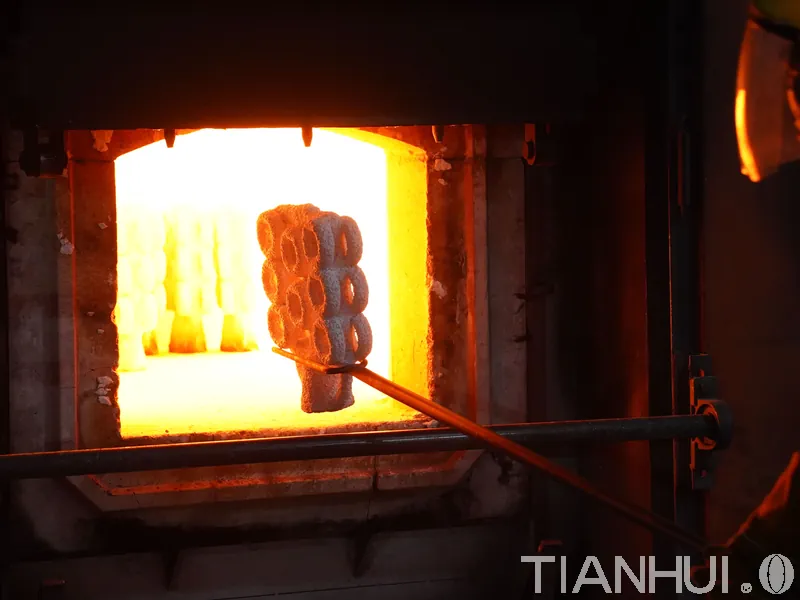
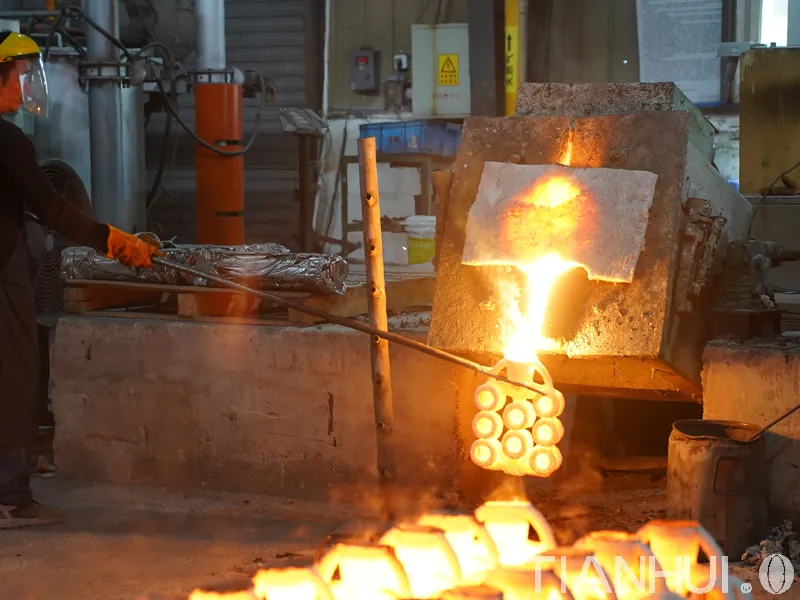
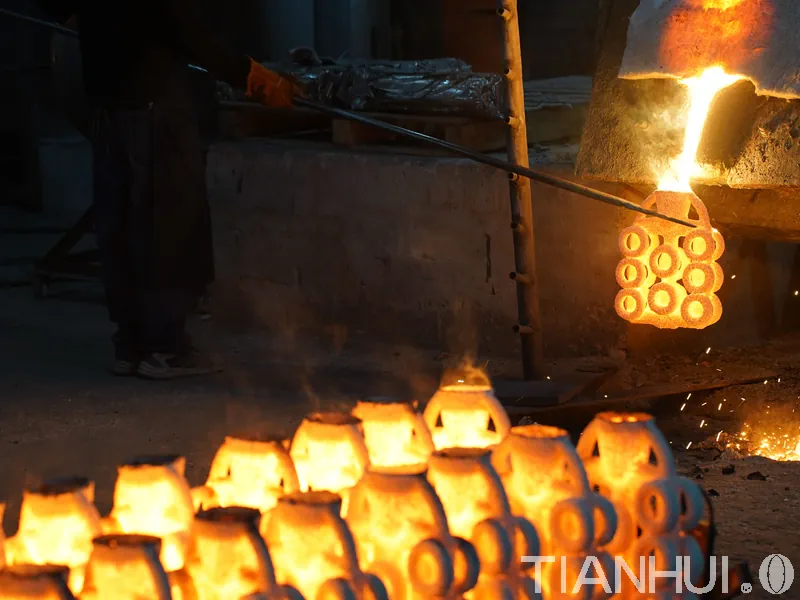
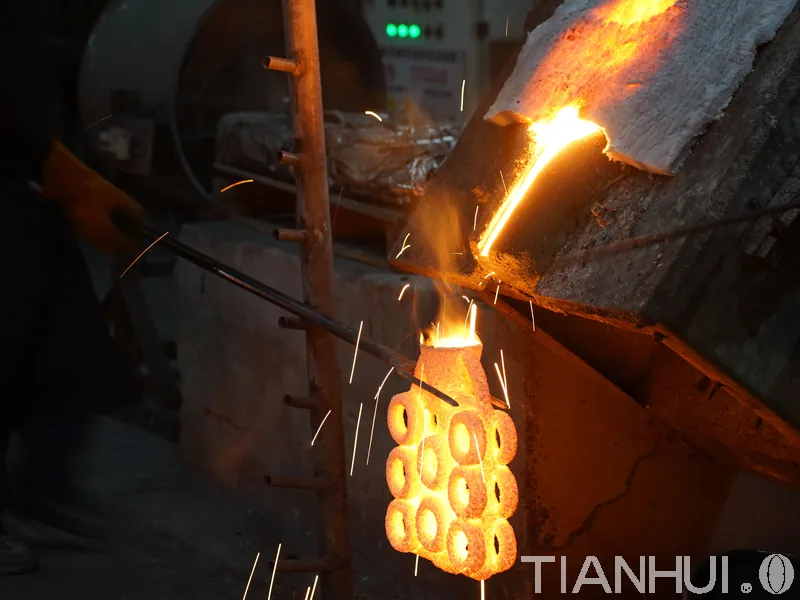
Representative shop-floor views of the investment-casting route—from pattern and shell preparation to pouring, knockout and cast parts before downstream machining.
Engineering Considerations
Material, Geometry and Production Volume Should Be Reviewed Together
The casting route should be reviewed together with the alloy, geometry, tolerances, surface requirements and production volume rather than treating material selection as a separate decision.
| Requirement | What We Review | Manufacturing Impact |
|---|---|---|
| Material | Specified alloy, required properties and service conditions | Determines melting, pouring, heat-treatment and performance requirements. |
| Geometry | Wall sections, cores, internal features and part complexity | Influences wax tooling, assembly and shell design. |
| Dimensions | Critical dimensions, datums, interfaces and machining allowances | Defines casting control and secondary machining scope. |
| Surface Requirements | As-cast condition, cleaning, finishing and machined surfaces | Determines post-casting operations and inspection. |
| Production Volume | Development samples, low-volume or repeat production | Influences tooling and production planning. |
Tooling & Sample Approval
What Happens Before Repeat Production Starts?
For a new investment casting, the important commercial milestone is not simply “tooling completed.” The part should move through drawing review, tooling, sample production and approval before repeat orders are released.
Drawing & DFM
Review wall sections, shrinkage, critical datums, machining allowance, surface requirements and inspection points.
Wax Tooling
Tooling is prepared around the approved geometry and the wax pattern requirements of the casting route.
Trial Casting
Initial samples are used to confirm filling, feeding, distortion, surface condition and machining stock.
FAI / Sample Review
Critical dimensions, material and agreed functional checks are reviewed before production approval.
Repeat Production
Approved tooling, process controls and inspection requirements become the reference for repeat orders.
Tooling terms:Tool ownership, modification responsibility, storage, expected order volume and inspection-document requirements should be agreed in the quotation instead of after the first sample.
Materials
Common Investment Casting Materials
Confirm the exact grade and material standard with the RFQ so the alloy and manufacturing route can be reviewed together.
Stainless Steels
Selected for corrosion resistance, strength and demanding industrial environments.
Carbon & Alloy Steels
Suitable where strength, toughness, wear resistance and mechanical performance are important.
Tool & Specialty Steels
Considered for components requiring specific hardness, wear or engineered properties.
Aluminum Alloys
Useful where lower weight and suitable strength-to-weight performance are required.
Copper Alloys
Used for selected components requiring conductivity, corrosion resistance or alloy-specific properties.
Nickel-Based Alloys
Considered for demanding temperature or corrosion environments when specified by the project.
Need a specific grade?Send the material standard with the drawing, quantity and inspection requirements.Custom OEM Parts →
Real Project Examples
Investment Casting Requirements Seen in Real Production
These examples show how casting accuracy, machining features, surface requirements and inspection needs come together in actual investment casting projects.
Hydraulic Metering Diaphragm Pump Head
Silica-sol investment casting followed by precision machining and air-tightness testing.
- 316L stainless steel
- GB/T 6414-CT7 casting tolerance
- Selected machined dimensions to IT7
- Surface roughness down to Ra 0.8
- φ9 mm × 90 mm deep bore and controlled sealing features
Stainless Steel Casting for a Road Snow-Removal System
A long-term precision casting project where surface condition, cleanliness and pore control are critical to customer acceptance.
- Nearly 20 years of repeat production
- More than 80,000 pieces exported annually
- Strict surface and cleanliness expectations
- Continuous process improvement driven by repeat customer requirements
Featured Products
View All Products →Related Investment Cast Components
Examples below are linked from Tianhui’s current product portfolio and show component types where investment casting is combined with machining, finishing or inspection.
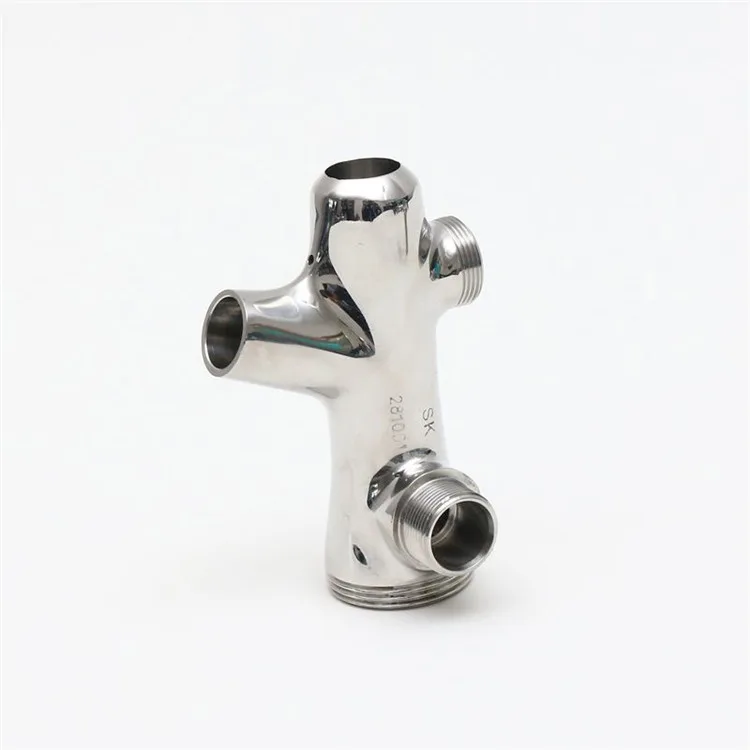
INVESTMENT CAST PART
Investment-Cast Stainless Steel Beer Tap
Investment-Cast Stainless Steel Beer Tap. A tap item for the beer dispensing assembly identified in the product name.
View Product →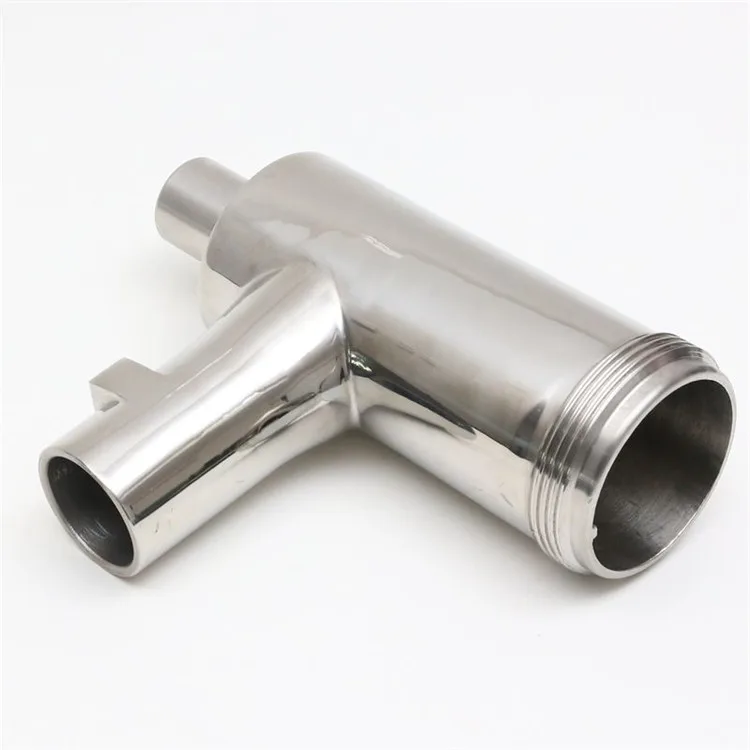
INVESTMENT CAST PART
Investment-Cast Meat Grinder Housing
Investment-Cast Meat Grinder Housing. A housing item for the meat grinder's working assembly.
View Product →
INVESTMENT CAST PART
Investment-Cast Stainless Steel Dough Machine Die Head Bracket
Investment-Cast Stainless Steel Dough Machine Die Head Bracket. A bracket for the die-head arrangement in the named dough machine.
View Product →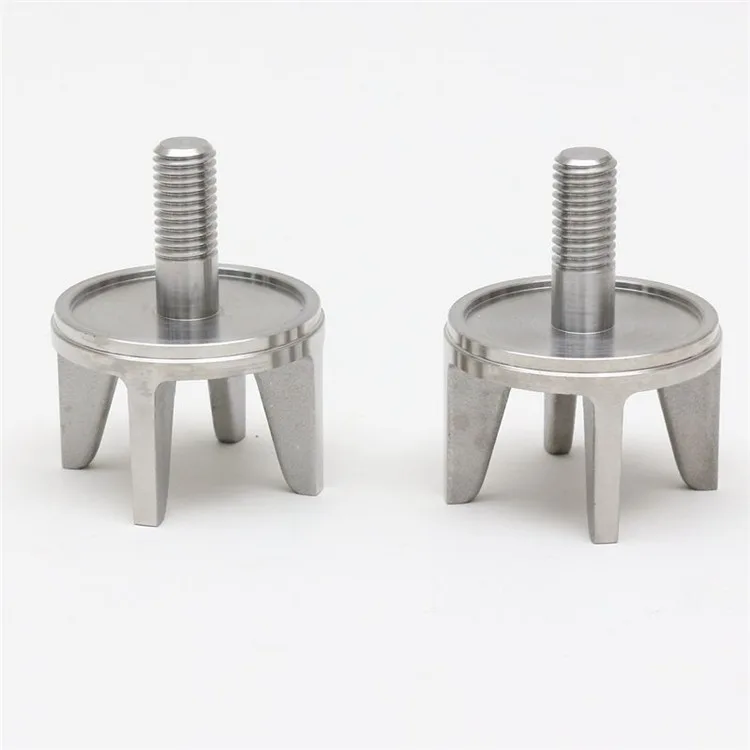
INVESTMENT CAST PART
Investment-Cast Stainless Steel Industrial Component
Investment-Cast Stainless Steel Industrial Component. The material specified for this part is Stainless Steel.
View Product →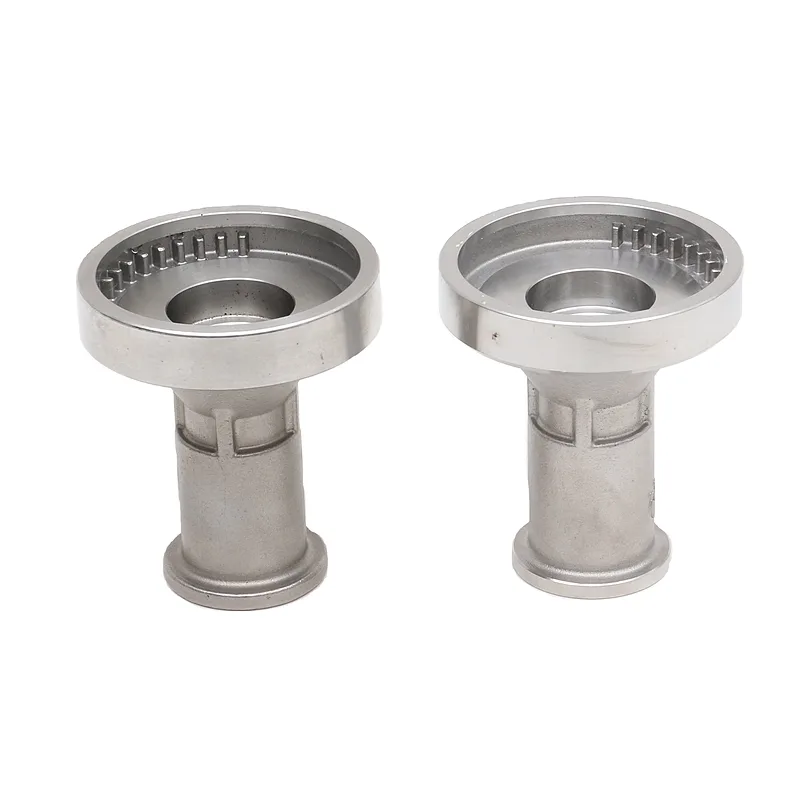
INVESTMENT CAST PART
Investment-Cast 304 Stainless Steel Snow Melting Component
Investment-Cast 304 Stainless Steel Snow Melting Component. A component for snow melting equipment, with its exact position determined by the equipment drawing.
View Product →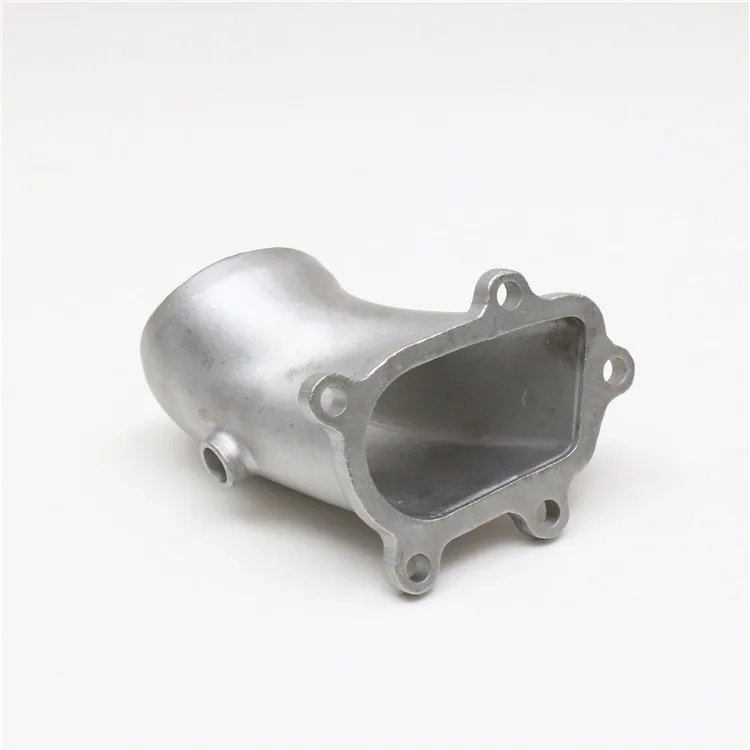
INVESTMENT CAST PART
Investment-Cast Stainless Steel Horn-Shaped Flange
Investment-Cast Stainless Steel Horn-Shaped Flange. A flange item for the adjoining component or pipe connection.
View Product →
INVESTMENT CAST PART
Investment-Cast Stainless Steel Pressure Plate
Investment-Cast Stainless Steel Pressure Plate. A pressure-plate item for the specified clamping or mechanical arrangement.
View Product →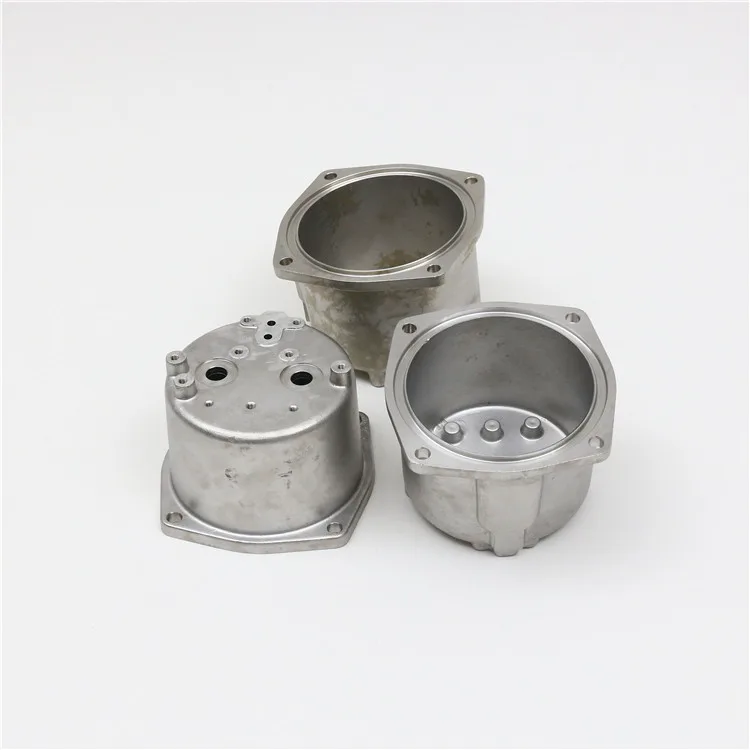
INVESTMENT CAST PART
4-Axis Machined Investment-Cast Stainless Steel Motor Cover
4-Axis Machined Investment-Cast Stainless Steel Motor Cover. A cover item for the mating housing or assembly identified in the product name.
View Product →Industries & Applications
Where Investment Casting Is Commonly Applied
Investment casting is most useful where complex geometry, alloy performance and controlled finished features need to be reviewed together.
Pump & Valve Components
Stainless and alloy pump, valve and flow-control components where cast geometry is combined with machined bores, sealing faces or pressure-critical interfaces.
CNC Machined Components
Precision cast bodies, fittings and fluid-power components requiring controlled geometry, material verification and finish machining.
Industrial Equipment Components
Complex brackets, housings and mechanical components where near-net casting can reduce machining from solid stock.
Automotive Components
Repeat OEM components in stainless, carbon or alloy steel where geometry, consistency and downstream machining must work as one route.
Process Integration & Secondary Operations
Integrate Casting, Machining, Heat Treatment and Finishing as One Route
Secondary operations are planned around the finished-part requirement so quality, dimensional stability, lead time and total manufacturing cost are optimized across the complete route.
Precision CNC Machining
Critical bores, threads, sealing faces, datums and assembly interfaces can be machined after casting when the drawing requires a finished condition.
Heat Treatment
Heat-treatment requirements can be incorporated into the manufacturing route when the specified alloy and mechanical properties require them.
Surface Preparation & Finishing
Cleaning, blasting, polishing, passivation or other specified finishing routes can be reviewed according to material, appearance and service environment.
Inspection, Documentation & Packaging
Final dimensional verification, agreed inspection records, cleaning and export packaging can be combined into the finished-part delivery scope.
Quality Control
Investment Casting Quality Starts Before the First Wax Pattern
Material, wax and shell control, casting integrity, machining and final inspection are planned around the finished component rather than treated as separate checks at the end.
Drawing & Alloy Review
Confirm alloy grade, critical dimensions, machining datums, surface requirements and any project-specific inspection or documentation before tooling and production.
Wax, Shell & Process Control
Control points are defined around pattern condition, shell preparation, gating and the agreed casting route where they affect repeatability and downstream machining.
Casting & Machining Inspection
As-cast condition and critical machined features are checked with inspection methods selected according to geometry, tolerance and functional risk.
Final Records & Release
Finished components and the agreed material, dimensional, mechanical or project-specific records are reviewed before shipment.
Material chemistry or certificates can be matched to the agreed stainless, carbon or alloy-steel specification.
Surface condition and any required non-destructive inspection are defined by part risk, drawing requirements and the agreed acceptance standard.
Critical cast and machined dimensions, datums, sealing faces and specified surface-finish requirements can be verified as agreed.
For fluid-handling or sealing components, the test method and acceptance criteria are agreed before production.
For critical castings, define the NDT method, sampling level, acceptance standard, dimensional-report scope and required FAI / PPAP or material documentation at RFQ stage. This avoids adding quality requirements after tooling or production has started.
Process Selection
When Investment Casting Is the Right Route—and When It Is Not
Investment casting should be selected when geometry, alloy, machining reduction and annual demand justify the tooling route. Compare the complete finished-part cost rather than choosing the process only because the component can be cast.
Complex near-net geometry, steel or stainless alloys, detailed features and reduced machining stock justify the wax-tooling route.
The component is larger or heavier, cores and internal passages dominate, or fine as-cast detail is less important than flexible tooling and casting size.
Compare Sand Casting →Load, fatigue, impact behavior and directional material flow are more important than cast-shape complexity.
Compare Forging →Prototype or lower-volume demand, machining-friendly geometry and a short launch schedule make tooling avoidance more valuable than near-net material utilization.
Compare CNC Machining →
FAQ
Investment Casting RFQ, Tooling & Machining FAQs
Practical questions about process selection, tooling, machining allowance, sample approval, inspection and quoting custom investment-cast components.
Investment casting is usually worth reviewing when the component has complex near-net geometry, detailed features, steel or stainless-steel material requirements, and enough repeat demand to justify tooling. Sand casting can be more practical for larger or heavier components, while machining from solid may suit prototypes or lower-volume parts with machining-friendly geometry.
There is no single allowance that fits every part. It should be reviewed from the actual drawing, alloy, casting size, datum scheme, distortion risk and required finished tolerance. Critical bores, sealing faces, threads and locating surfaces may need local machining even when most of the geometry is near-net shape.
Yes. Investment casting can be integrated with CNC machining, heat treatment, surface finishing and final inspection when the drawing requires a finished component rather than an as-cast part. The required delivery condition should be defined at RFQ stage.
A typical new project moves through drawing and DFM review, tooling preparation, trial casting, sample or FAI review, and approval before repeat production. Tool ownership, modification responsibility and required inspection documents should also be agreed before production release.
Identify the critical dimensions, material standard, surface requirements, any required NDT, pressure or sealing tests, and the dimensional-report, FAI, PPAP or material-documentation scope. Defining these requirements before quotation helps avoid adding inspection cost after tooling has started.
Send the 2D drawing and, where available, the 3D model together with the material grade and standard, annual quantity, critical tolerances, machining scope, surface requirements, inspection requirements and expected delivery condition.
Manufacturing Review
Request a Manufacturing Review →
Send Us Your Investment Casting Drawing
TIANHUI MACHINE provides precision investment casting services for complex stainless steel and alloy steel components. Our China casting factory supports intricate geometries, near-net-shape production and subsequent CNC machining for demanding industrial applications.
Send your drawing or 3D model together with the material grade, annual quantity, critical tolerances, machining requirements and inspection requirements. We will review the casting route, machining allowance and secondary operations before quotation.