
Best suited when tooling investment can be spread across stable repeat demand.
Die Casting
Die Casting for Repeatable OEM Components
Die casting is suited to repeat production where dimensional consistency, integrated geometry and production efficiency are important.
TIANHUI MACHINE supports drawing-based die cast components with tooling review, casting, trimming, secondary CNC machining, finishing and inspection.
Capability Snapshot
What Buyers Should Confirm for a Die Casting Project
Die casting is a tooling-driven process. A meaningful capability review must match the drawing and annual volume to alloy, die design, shot requirements, secondary machining and appearance or sealing expectations.
The exact grade should be confirmed against mechanical, corrosion, thermal and finishing requirements.
These directly affect filling, die life, flash, distortion, ejector marks and secondary operations.
Sealing faces, bores, threads, datum surfaces and specified cosmetic finishes may require secondary processing.
Tooling should move through trial, dimensional review, revision if needed and sample approval before mass production.
Required clamping force, shot weight and part envelope should be matched to the actual component before quotation.
Buyer note:If a supplier quotes a die before reviewing annual volume, 3D geometry, critical machined areas and leak or appearance requirements, the quotation is not complete enough for a reliable sourcing decision.
Key Advantages
Why Choose Die Casting?
The right process depends on part geometry, alloy, production volume, tooling economics and final machining requirements.
Production Efficiency
Well suited to repeat production after the tooling and process are established.
Integrated Features
Can combine ribs, bosses, pockets and other features into one cast component where design rules allow.
Consistent Geometry
Stable tooling and process control support repeatable component shape across production runs.
Secondary Machining
Critical sealing faces, bores, holes, threads and datums can be CNC machined after casting.
Tooling & T1 Approval
Tooling Cost Is Only One Part of the Die Casting Decision
Tooling design, sample validation and revision responsibility affect launch risk just as much as the quoted die price.
DFM Review
Check wall transitions, draft, parting line, ejector locations, gates, overflow areas and secondary-machining stock.
Die Design
Plan cavities, slides, cooling, ejection and gating around the approved part and production requirement.
T1 Trial
Evaluate filling, flash, porosity risk, distortion, surface condition and available machining stock on trial parts.
Correction & Approval
Dimensional or functional findings are addressed before the production condition is frozen.
Mass Production
The approved tooling condition, process window and inspection plan become the repeat-production baseline.
Commercial point:Clarify what the die price includes, who owns the tool, how engineering changes are charged, what constitutes T1 acceptance and what happens if a sealing or cosmetic requirement is missed.
Materials
Material Options for Die Casting
Alloy selection should follow mechanical, thermal, corrosion, weight and application requirements.
Aluminum Alloys
Widely considered for lightweight housings, brackets, structural parts and industrial components.
Zinc Alloys
Suitable where fine detail, good surface condition and dimensional stability are important.
Magnesium Alloys
Selected for lightweight applications where component weight reduction is a key engineering objective.
Application Review
The final alloy should be confirmed from the drawing, service environment and required mechanical properties.
Die Casting Process
From Tooling Review to Finished Part
Process planning connects component DFM, die preparation, casting parameters, trimming, secondary machining and final inspection.
Tooling & DFM Review
Review draft, wall thickness, parting, ejection, machining allowance and critical interfaces.
Die Preparation
Prepare, preheat and condition the die around the approved casting process.
Metal Injection
Fill the die under controlled injection and process parameters for the selected alloy.
Cooling & Ejection
Allow controlled solidification before ejecting the component from the die.
Trim & Finish
Remove gates and flash, deburr and complete required surface preparation.
Machine & Inspect
CNC machine critical features where required and complete final verification.
Engineering Risk Review
Five Die Casting Risks That Should Be Discussed Before Tooling
This page does not publish a generic “zero-defect” promise. These are the areas that usually need explicit engineering decisions before a die is released.
| Risk | What Drives It | What the Buyer Should Define |
|---|---|---|
| Porosity | Thick sections, flow path, trapped gas, local solidification and pressure-containing areas | Leak requirement, machining depth, sealing faces and any internal-quality acceptance criteria. |
| Flash | Parting line, die condition, clamping and local pressure | Critical edges, assembly interfaces and acceptable trimming condition. |
| Distortion | Thin walls, long spans, ejection and uneven cooling | Functional flatness, datum scheme and where post-casting straightening is acceptable. |
| Machining Break-Through | Machining allowance and subsurface casting condition | Critical bore, thread, sealing face and datum machining depth. |
| Cosmetic Marks | Gates, ejector pins, flow marks and trimming | Visible surfaces, coating class and areas where marks are not acceptable. |
Featured Products
View All Products →Selected Die Cast Components
Representative associated products for this manufacturing capability.
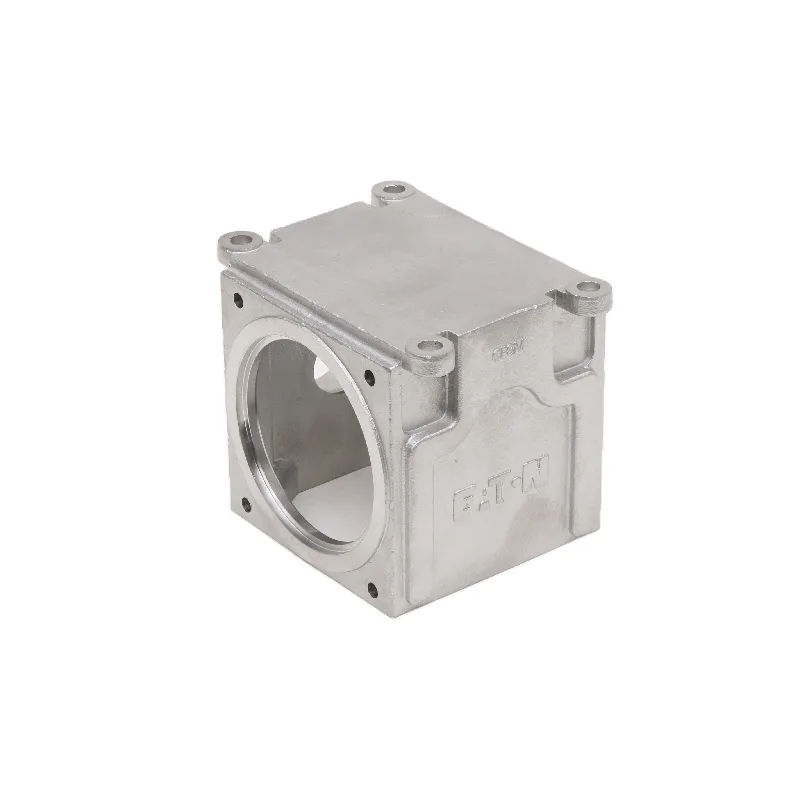
OEM COMPONENT
Custom Precision Machined Die-Cast Aluminum Component
Custom Precision Machined Die-Cast Aluminum Component. The material specified for this part is Aluminum.
View Product →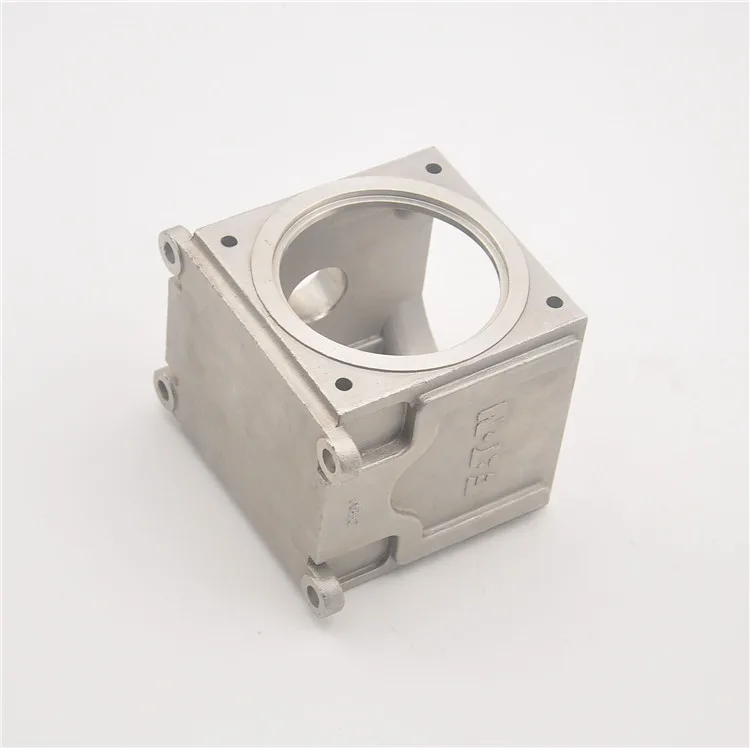
OEM COMPONENT
Precision Machined Die-Cast Aluminum Component
Precision Machined Die-Cast Aluminum Component. The material specified for this part is Aluminum.
View Product →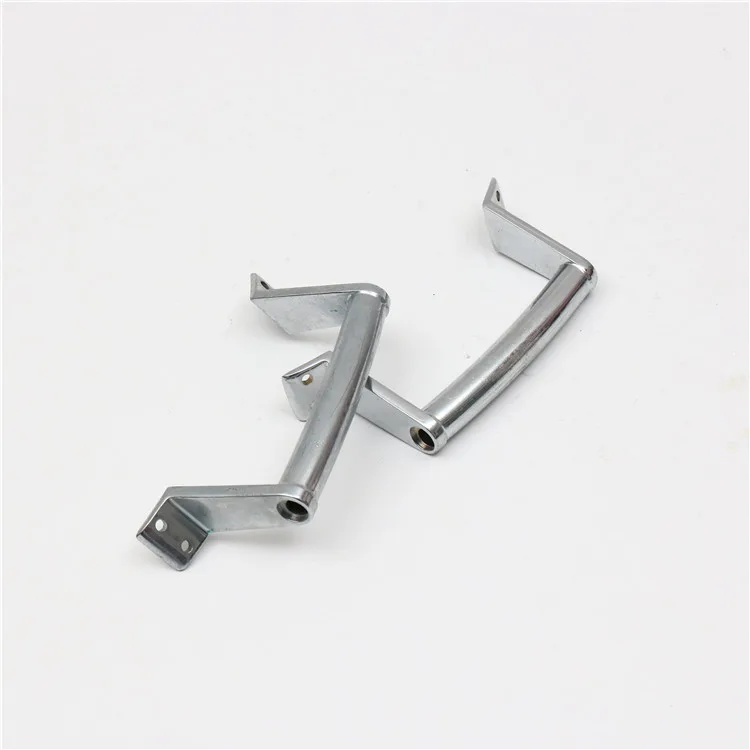
OEM COMPONENT
Die-Cast A380 Aluminum Mixing Bucket Handle
Die-Cast A380 Aluminum Mixing Bucket Handle. A handle item for the operating or carrying interface identified in the product name.
View Product →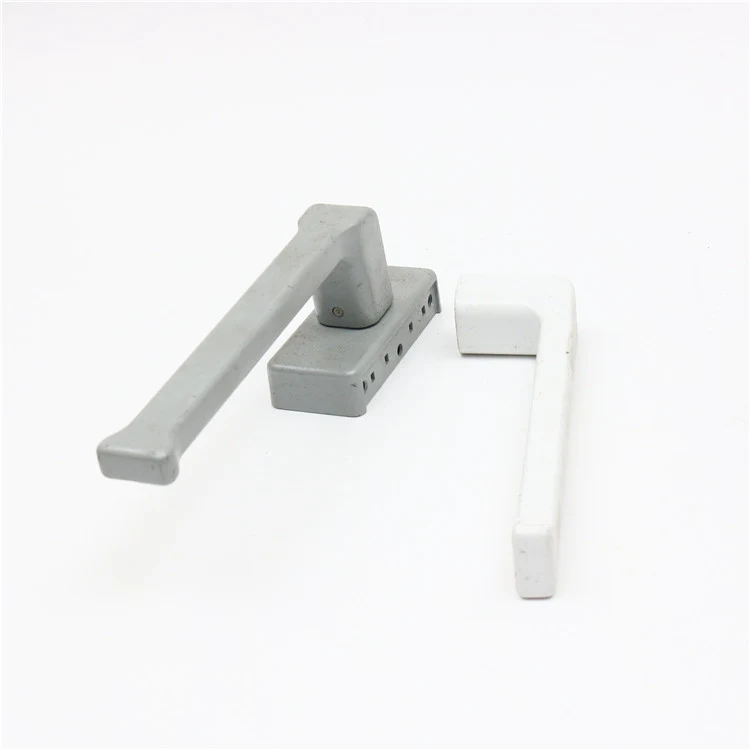
OEM COMPONENT
Die-Cast Aluminum Door Handle
Die-Cast Aluminum Door Handle. A handle item for the operating or carrying interface identified in the product name.
View Product →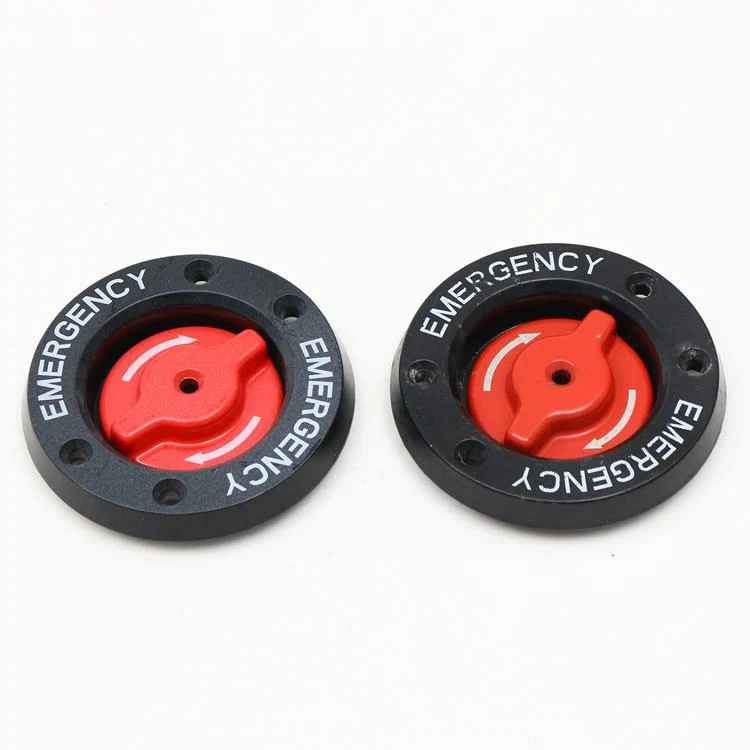
OEM COMPONENT
Die-Cast Aluminum Machine Component
Die-Cast Aluminum Machine Component. The material specified for this part is Aluminum.
View Product →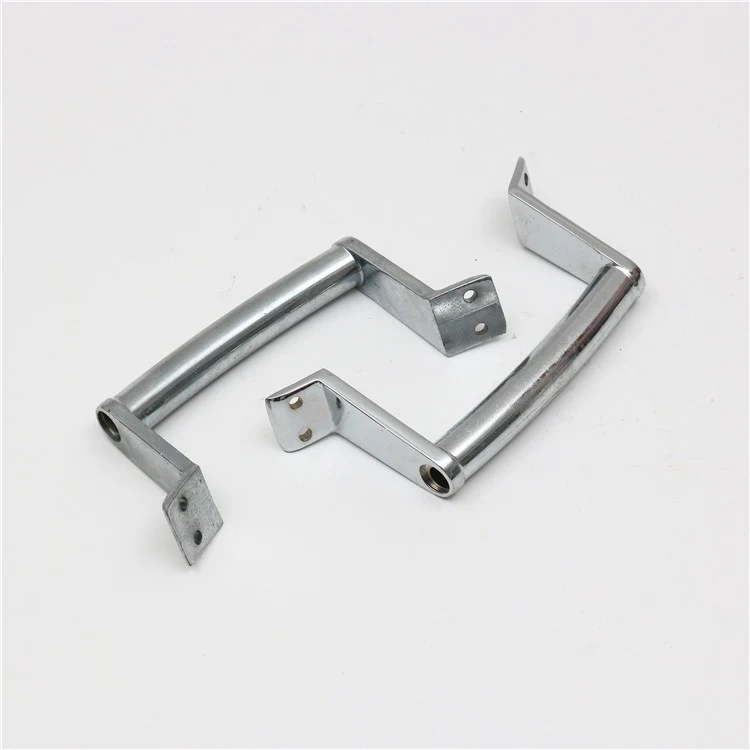
OEM COMPONENT
Custom Die-Cast Aluminum Soy Milk Maker Handle
Custom Die-Cast Aluminum Soy Milk Maker Handle. A handle item for the operating or carrying interface identified in the product name.
View Product →Applications
Industrial Applications
Die cast components are commonly used where repeatability, integrated geometry and production efficiency are important.
Automotive Components
Components developed for automotive systems and OEM production requirements.
Pump & Valve Components
Cast, forged and machined components for pumps, valves and fluid-handling equipment.
CNC Machined Components
Precision components for hydraulic systems, power units and fluid-power equipment.
Industrial Equipment Components
Durable parts for industrial machines, mechanical systems and production equipment.
Agricultural Machinery Parts
Metal components for tractors, implements and agricultural machinery.
Forged Components
Heavy-duty components for construction and earthmoving equipment.
Investment Casting Components
Drawing-based OEM metal parts developed around customer specifications.
Related Capabilities
Choose the Right Manufacturing Route
Different alloys, volumes, part sizes or mechanical requirements may favor investment casting, sand casting, forging or CNC machining.
Secondary Operations & Value-Added Services
Die Casting Is Often Only the First Production Step
Finished die-cast components may still require trimming, machining, finishing and inspection. These requirements should be defined before tooling because they can influence die design and total part cost.
Trimming & Deburring
Flash, gates and edges are addressed as part of the post-casting route so later machining and assembly start from a controlled condition.
Secondary CNC Machining
Critical bores, threads, sealing faces and interfaces can be finish machined where as-cast geometry alone cannot meet the drawing.
Surface Finishing
Blasting, coating, anodizing or other specified finishes can be reviewed according to alloy, appearance, corrosion and end-use requirements.
Inspection & Functional Requirements
Dimensional inspection, appearance criteria and agreed leak or functional checks can be incorporated where the component application requires them.
Quality Control
Inspection Is Integrated Into the Manufacturing Route
Quality checkpoints are defined around the drawing, material, manufacturing process, secondary operations and finished component requirements.
Drawing Review
Identify critical dimensions, tolerances, material requirements and functional interfaces before production.
Process Control
Plan manufacturing and inspection checkpoints around the approved component requirements.
Dimensional Control
Verify critical machined surfaces, bores, holes, threads and other specified features.
Final Verification
Check finished components and agreed documentation before release and shipment.
The exact alloy grade and agreed material documentation should be defined at the RFQ stage.
T1 and production inspection should focus on datums, machined interfaces and assembly-critical features.
Cosmetic surfaces need explicit acceptance criteria instead of subjective “good appearance” wording.
Functional tests should be tied to the actual application and agreed acceptance limits.
Die casting documentation and test scope vary significantly by project. State FAI, PPAP, material, dimensional, coating or leak-test requirements in the RFQ so they are included in price and lead time.
Process Selection
When Die Casting Earns Back Its Tooling Cost
The best die casting project has repeat demand, stable geometry and enough volume to benefit from short cycle times and repeatable tooling.
Repeat non-ferrous volume is high enough to justify dedicated tooling and integrated thin-wall geometry provides a cost advantage.
Volumes are lower, steel or stainless material is needed, or intricate geometry matters more than high-cycle production.
Compare Investment Casting →The component is larger, tooling flexibility matters more, or the part will already receive substantial finish machining.
Compare Sand Casting →Prototype or low-volume quantities do not justify a production die and the geometry can be machined economically.
Compare CNC Machining →
FAQ
Die Casting Questions Buyers Often Ask
Common questions from buyers reviewing this manufacturing process for OEM components.
It is generally considered for repeat production where tooling investment can be justified by production volume and consistent part requirements.
Yes. Critical dimensions, holes, threads, sealing faces and other functional surfaces can be machined after casting.
Yes. A 2D drawing, 3D CAD model, alloy requirement, estimated annual quantity and inspection requirements provide a good basis for review.
Request for Quotation
Request an RFQ →
Have a Die Casting Project?
TIANHUI MACHINE provides custom die casting solutions for metal components requiring repeatable dimensions, efficient production and consistent quality. Our manufacturing service can support suitable aluminum, zinc and other die-cast applications depending on part design and production volume. Submit your drawing to discuss the right process for your project.
Send your drawing, alloy, expected volume and technical requirements so tooling, casting, machining and inspection can be reviewed together.