MANUFACTURING PROCESS
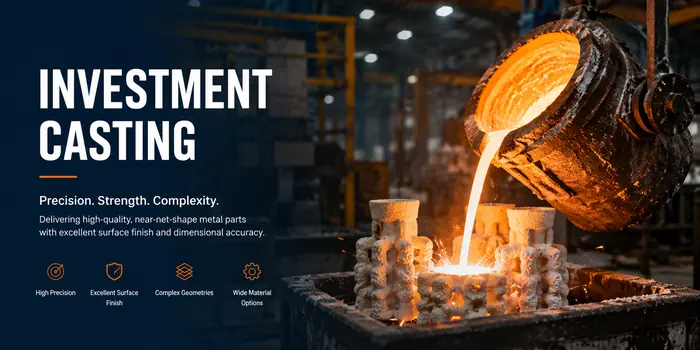
Investment Casting
Discover high-precision, near-net-shape components with intricate geometries and excellent surface finishes.
View Capability →
The best manufacturing process is not always the process a drawing starts with. Geometry, alloy, annual demand, functional interfaces and inspection requirements should be reviewed together.
TIANHUI MACHINE supports investment casting, sand casting, die casting, forging and CNC machining for drawing-based OEM components. Primary forming, secondary machining, finishing and inspection can be coordinated as one project route where the finished component requires it.
Use the process pages for detailed capability, DFM, tooling, secondary operations, quality controls and typical applications.
Discover high-precision, near-net-shape components with intricate geometries and excellent surface finishes.
View Capability →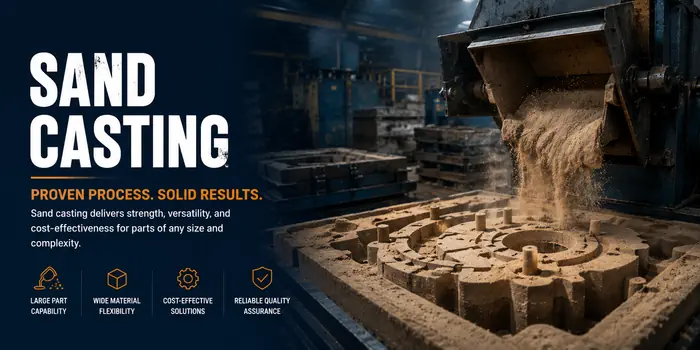
Ideal for large, heavy-duty metal components with flexible production volumes and cost-effective tooling.
View Capability →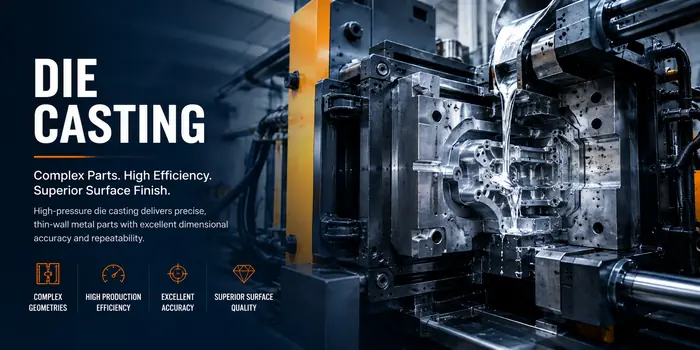
Efficient high-volume production delivering durable, thin-walled parts with tight tolerances and smooth surfaces.
View Capability →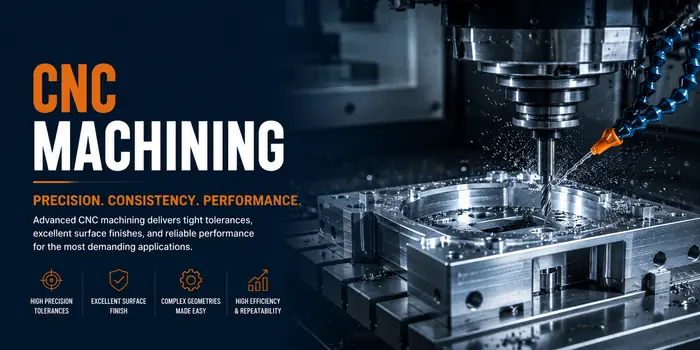
Achieve extreme precision, tight tolerances, and custom geometries for both quick prototypes and production runs.
View Capability →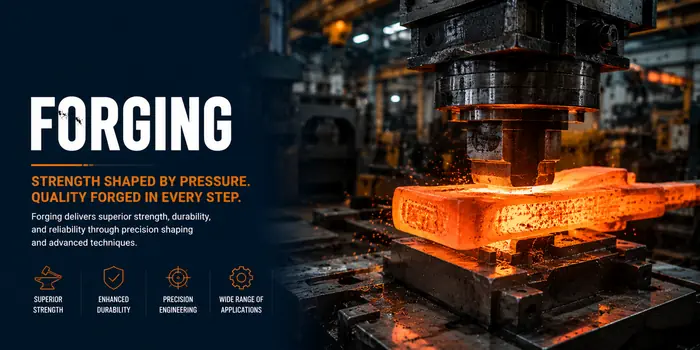
Engineered for maximum mechanical strength, fatigue resistance, and structural integrity under high-stress applications.
View Capability →This comparison is a sourcing guide, not a substitute for drawing review. The final route depends on geometry, alloy, quantity, tolerance, surface condition and functional risk.
| Process | Best Fit | Production Logic | Typical Secondary Work |
|---|---|---|---|
| Investment Casting | Complex geometry, fine features, engineered alloys and near-net-shape parts. | Tooling supports development through repeat OEM production where geometry and material justify the route. | CNC machining, heat treatment, cleaning, polishing/passivation and inspection as specified. |
| Sand Casting | Larger or heavier castings, core-intensive passages and practical tooling economics. | Useful from development and lower volumes through repeat industrial production, depending on pattern and molding route. | CNC machining, heat treatment, blasting, coating, pressure/leak testing and inspection when required. |
| Die Casting | Repeat-volume non-ferrous components requiring consistent geometry and efficient cycle production. | Tooling investment becomes more practical when repeat volume and stable geometry justify the die. | Trimming, deburring, CNC machining, finishing, coating and project-specific testing. |
| Forging | Load-bearing, fatigue-sensitive or strength-critical mechanical components. | Tooling and material-flow design support repeat production where mechanical performance is central to the part. | Heat treatment, CNC machining, grinding, induction hardening, NDT and finishing where specified. |
| CNC Machining | Critical dimensions, datums, bores, threads and finished interfaces; also direct-from-stock parts. | Suitable for prototypes, low-volume work, repeat machining and finishing of cast or forged blanks. | Grinding, heat treatment, surface finishing, cleaning, marking, assembly and final inspection. |
The same component can sometimes be produced by more than one route. These inputs define the manufacturing risk, tooling approach, machining scope and inspection plan.
Complexity, wall sections, cores, draft, undercuts, transitions and critical features.
Specified grade, mechanical performance, corrosion, temperature, wear and operating environment.
Critical dimensions, fits, datum structure, machined interfaces and functional relationships.
As-produced condition, roughness, sealing faces, appearance and finishing requirements.
Sample demand, forecast quantity, annual volume and repeat-order expectations.
Machining stock, heat treatment, surface finishing, assembly and other post-process work.
Material, dimensional, mechanical, NDT, functional and customer-specific verification requirements.
Drawing revisions, FAI/PPAP where required, traceability, certificates, reports and packaging expectations.
The production route can be planned around the finished drawing so machining allowance, heat treatment, surface requirements and inspection are considered before the first part is produced.
Review geometry, material, quantity, tolerances, functional requirements and likely process risks.
Select casting, forging or direct machining around technical fit and production economics.
Plan CNC machining, heat treatment, finishing, testing and assembly where the project requires them.
Verify critical requirements and agreed documentation before packaging and shipment.
Depending on the part, Tianhui can supply raw parts, rough-machined parts or completed components with agreed secondary operations and inspection.
Finish datums, bores, sealing faces, threads, interfaces and other critical features after casting or forging.
Coordinate specified heat-treatment routes around alloy, hardness and mechanical requirements.
Support blasting, polishing, passivation, coating and other finishing requirements according to the drawing.
Plan dimensional, material, hardness and project-specific NDT requirements according to part risk and specification.
Pressure, leakage, balance, torque or application-related checks can be reviewed where relevant to the component.
Review sub-assembly, part marking, preservation and export packaging requirements before shipment.
Inspection is most useful when it is connected to drawing risk, process risk and the final function of the component.
Material grade, chemistry or related documentation can be checked according to the agreed project scope.
CMM, measuring equipment and gauges are applied according to critical dimensions, datums and drawing requirements.
Hardness, surface, NDT, pressure/leak or other tests are selected where relevant to the process and application.
Inspection reports, material records, traceability, FAI or PPAP documentation can be reviewed where the customer requires them.
Case studies show the relationship between material, forming route, machining, critical features and inspection on real manufacturing projects.
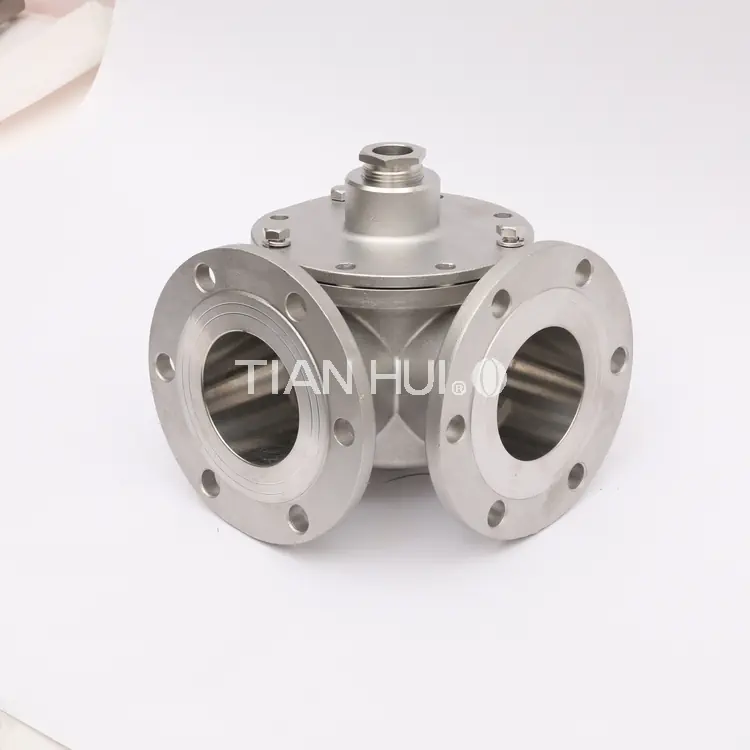
Tianhui manufactures 316L Stainless Steel Pump Head with precision manufacturing processes, quality control and engineering expertise for industrial application...
View Case →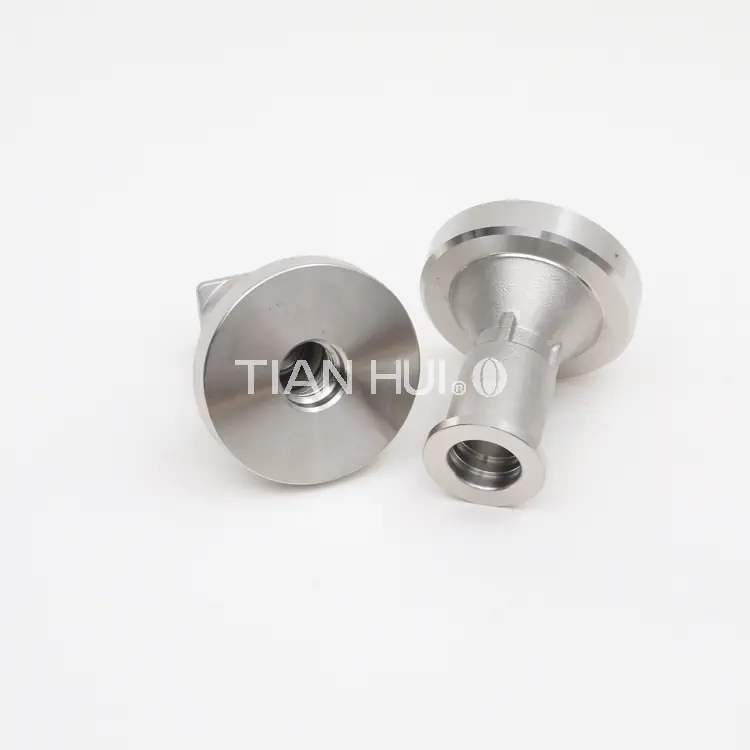
Tianhui manufactures Stainless Steel Precision Casting with precision manufacturing processes, quality control and engineering expertise for industrial applicat...
View Case →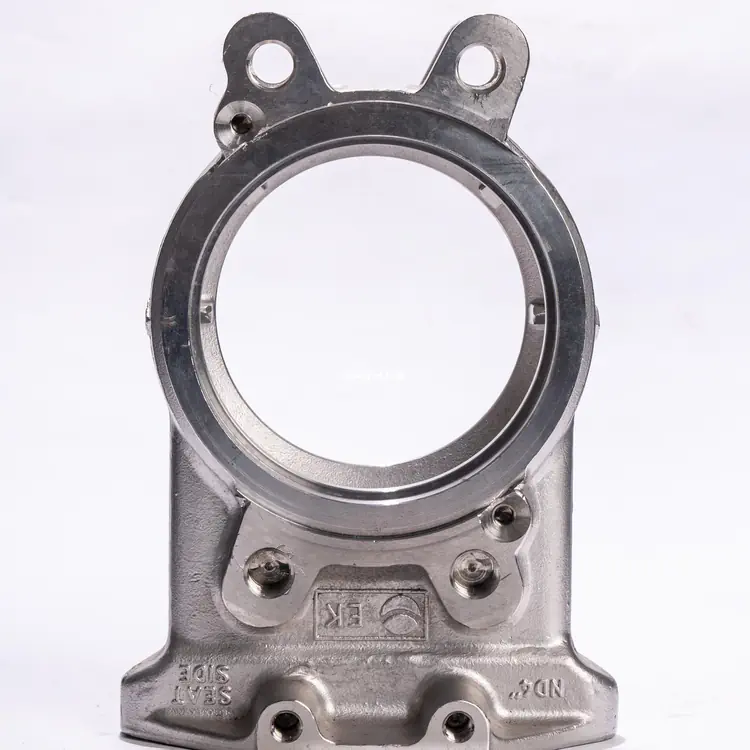
Tianhui manufactures Stainless Steel Valve Components with precision manufacturing processes, quality control and engineering expertise for industrial applicati...
View Case →A complete RFQ reduces assumptions and makes process, tooling and inspection discussions more useful.
From casting and forging to precision CNC machining, TIANHUI MACHINE provides integrated manufacturing services for custom metal components. Our China factory supports different materials, geometries and production volumes, helping OEM customers select an efficient manufacturing process and achieve reliable quality from prototype to production.
Send your drawing, 3D model, sample or technical requirements. We can review process selection, tooling, secondary operations, inspection scope and quotation assumptions together.