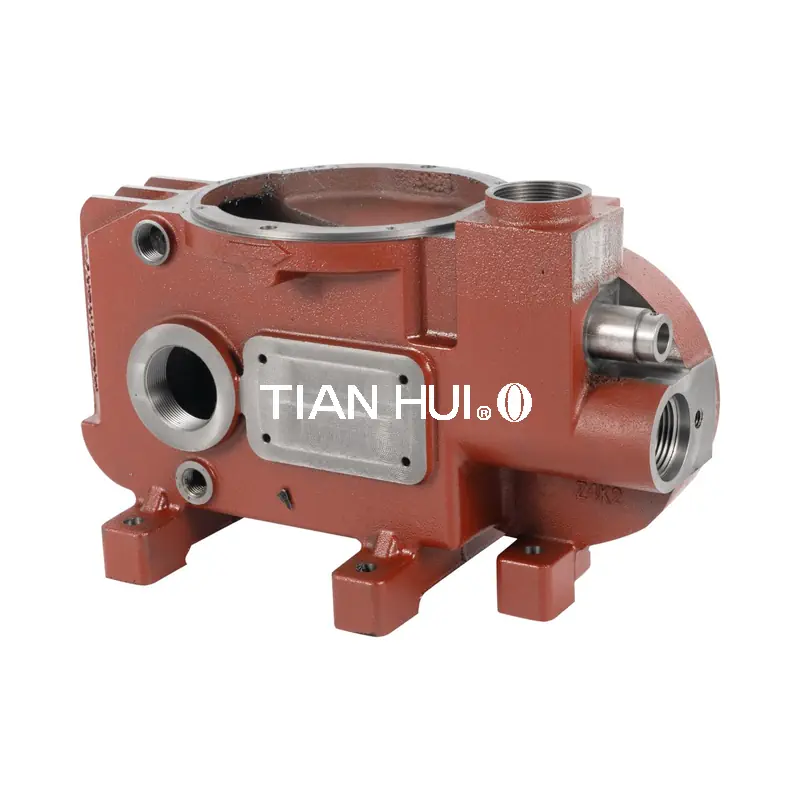
What Made This Part Difficult?
The main risk was machining a φ19H7 bore to 230 mm depth—approximately 12 times the bore diameter—inside a cast housing while maintaining the specified fit, selected IT7 dimensions and Ra 0.4 finish. Tool reach, chip evacuation, heat, datum stability and casting allowance all affected the result.
How the Component Was Taken From Requirement to Finished Part
This section documents the decisions specific to this component: route selection, machining or secondary operations, critical interfaces and control points. General process capabilities are covered on the related Manufacturing pages.
Project Background
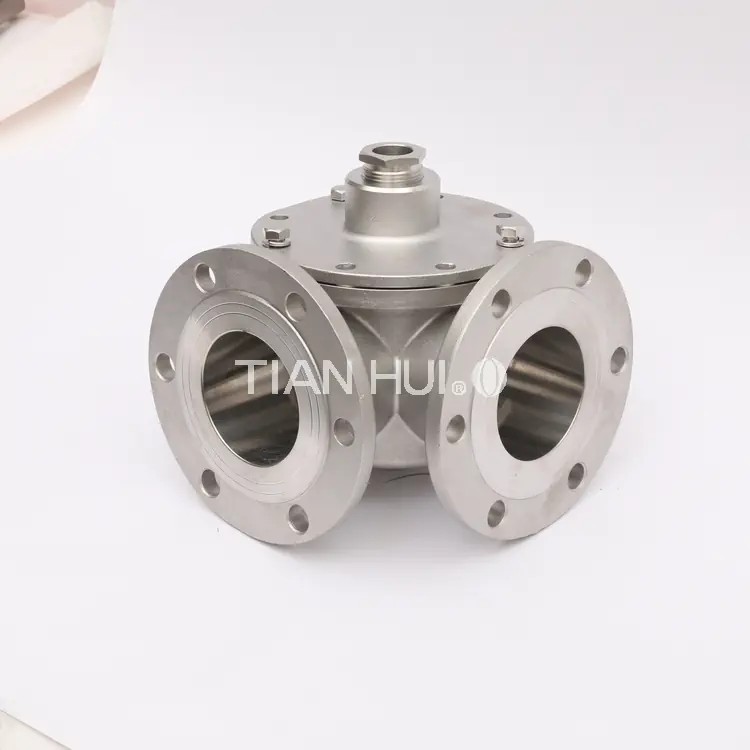
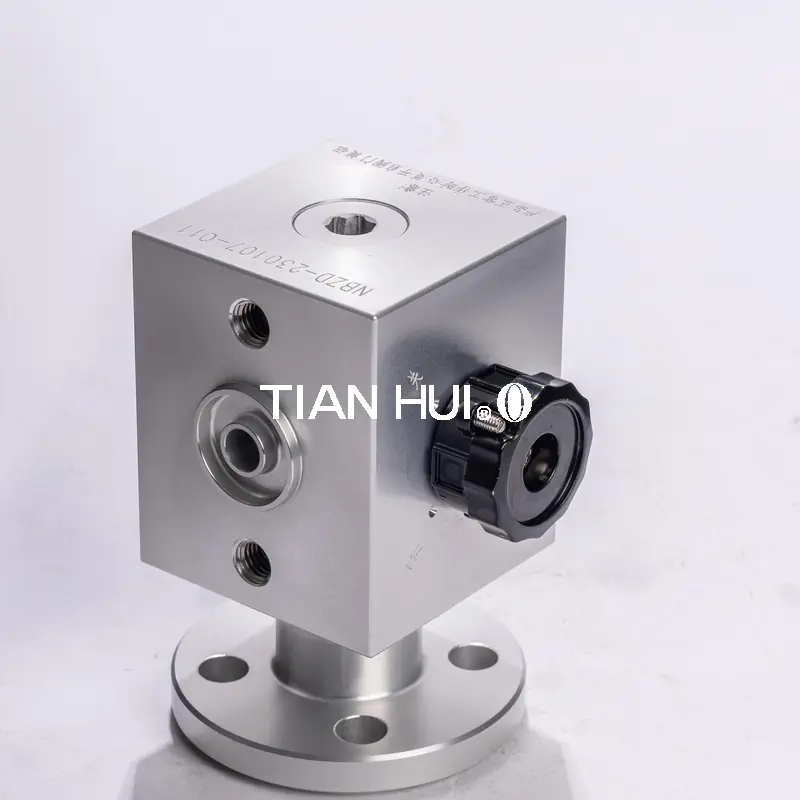
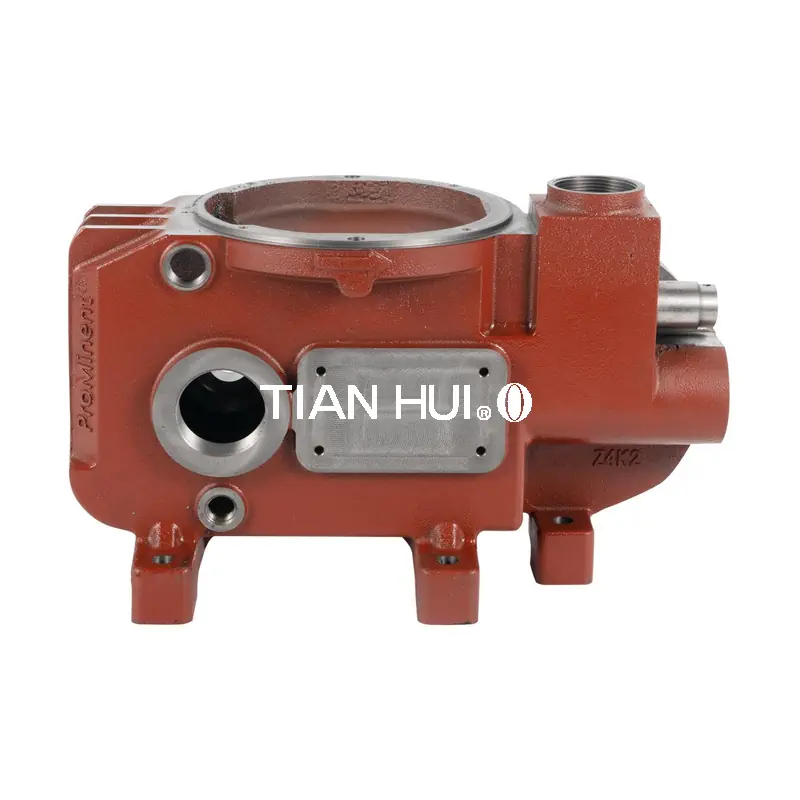
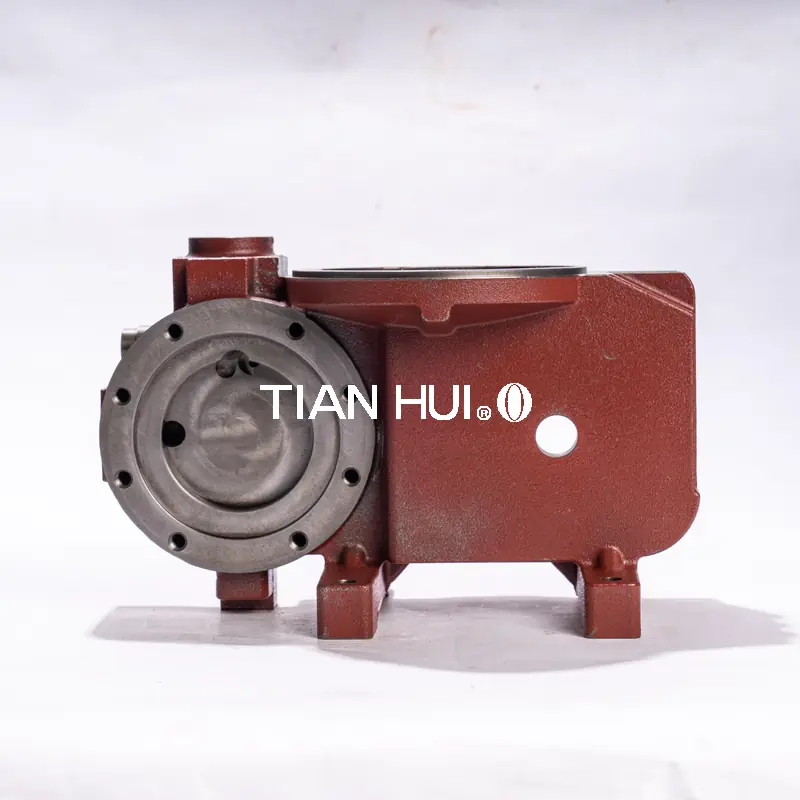
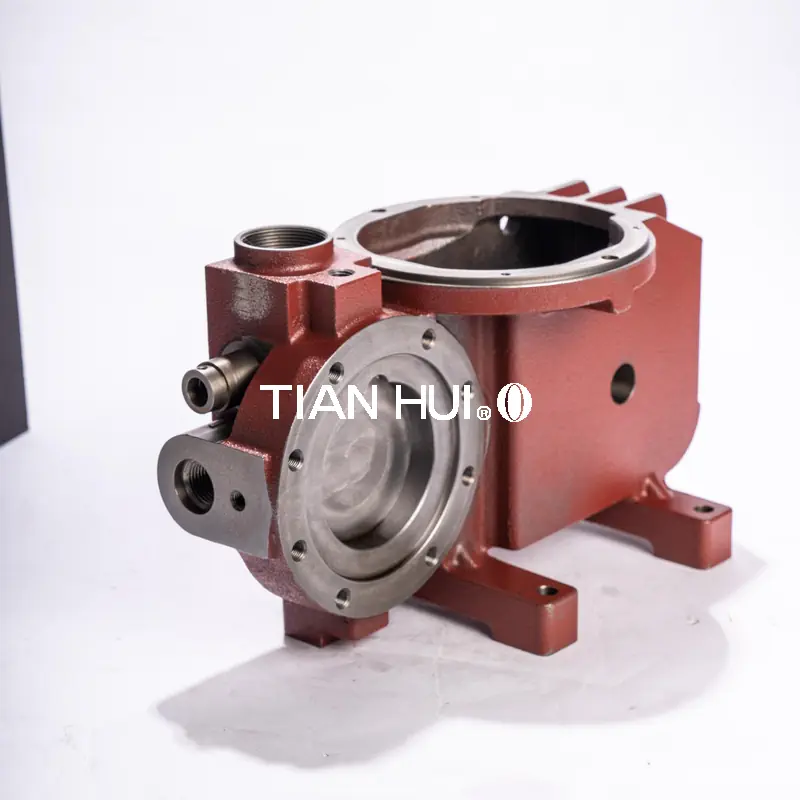
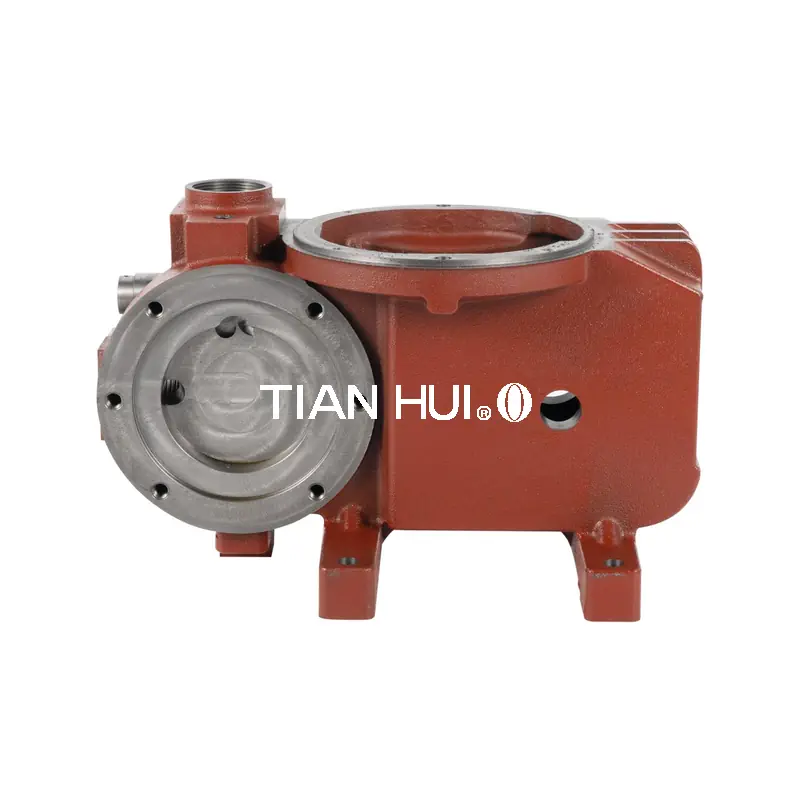
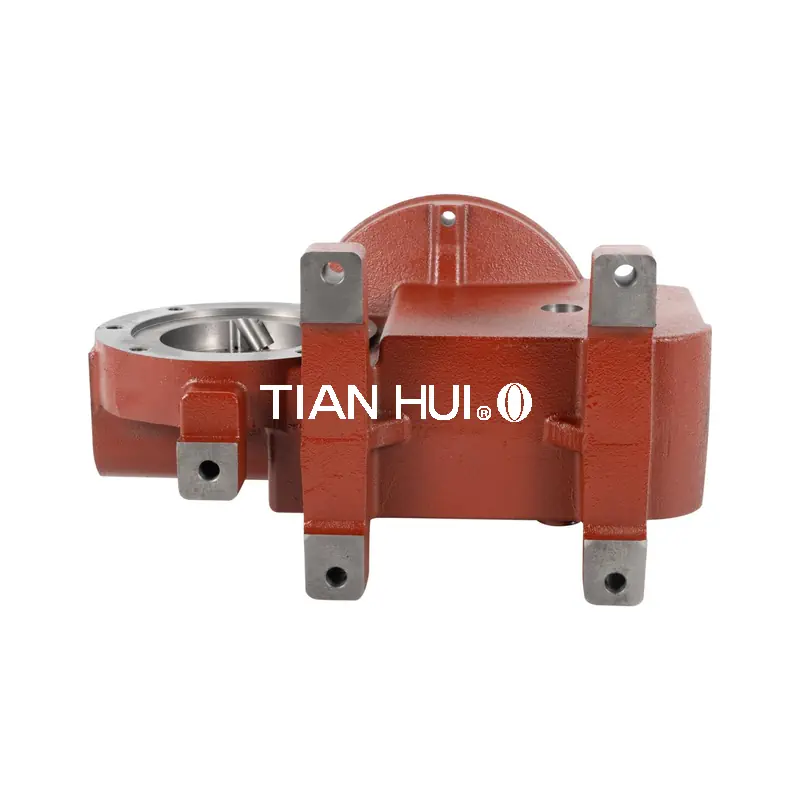
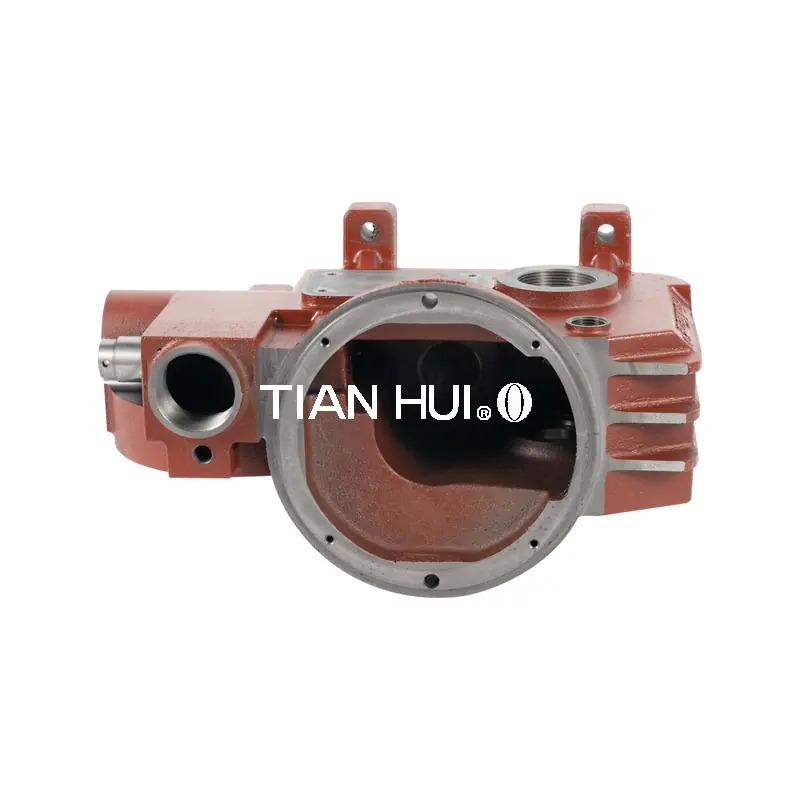
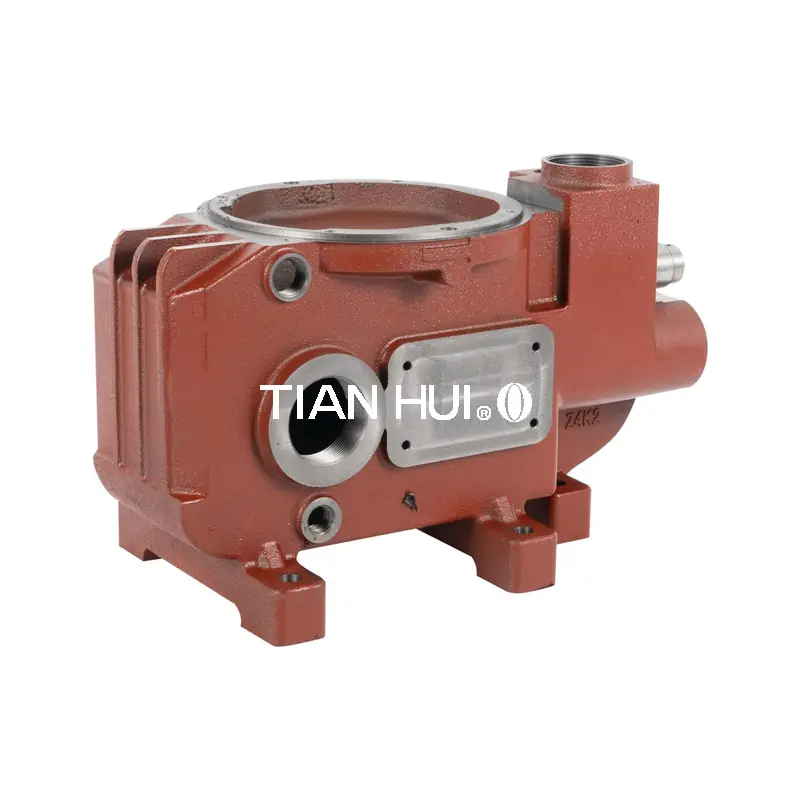
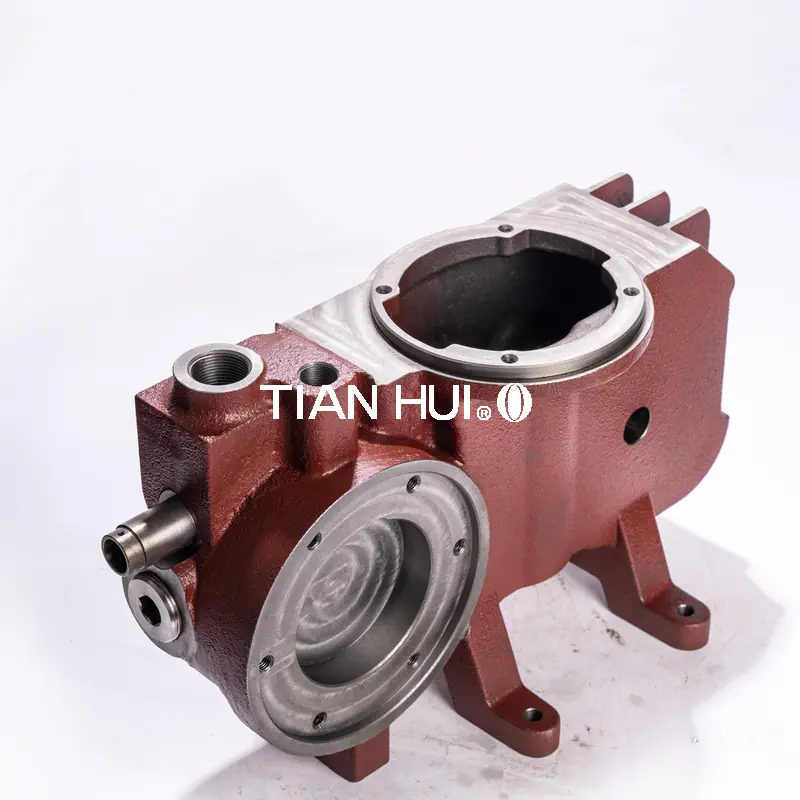
This cast iron housing is used in a metering pump and combines a sand-cast body with a demanding precision-machined internal bore. The housing could not be evaluated as a casting-only project because the main manufacturing risk appeared during deep-hole machining.
Manufacturing Challenge
φ19H7 × 230 mm Deep-Bore Machining in a Cast Housing
The critical bore is φ19H7 × 230 mm deep, approximately 12 times the bore diameter. The drawing also includes selected IT7 dimensions and an Ra 0.4 surface requirement.
At this depth-to-diameter ratio, tool reach, chip evacuation, cutting heat, bore finish and datum stability become more important. Variation in the cast blank and machining allowance can also influence how consistently the bore is produced.
Manufacturing Route
1. Sand-Cast Housing
The housing blank was produced by sand casting with machining stock reserved around the finished interfaces and deep-bore area.
2. Datum Preparation
Stable machining datums were established from the cast blank before the deep bore and other precision features were finished.
3. Deep-Bore CNC machining
Special tooling and controlled machining parameters were used for the φ19H7 × 230 mm bore. The machining sequence was planned around tool reach, chip removal, dimensional stability and the required Ra 0.4 finish.
4. Finish machining and inspection
Selected precision dimensions were finished to the drawing requirements. Bore size and other critical dimensions were verified with appropriate inspection methods, while roughness measurement confirmed the specified machined surface finish.
Project Result
The combined sand-casting and precision-machining route achieved the deep-bore requirement, selected IT7 dimensions and Ra 0.4 finish, with a documented production yield of 99.5%. The project shows how a relatively simple-looking housing can become a machining-critical component once deep internal geometry is introduced.
How Was the Finished-Part Requirement Verified?
Verification is tied to the project characteristics that carry the highest manufacturing risk. Project-specific methods and records that can be disclosed remain in the case content; the structured fields below summarize public dimensional and surface targets when available.
Project Outcome
The sand-cast and machined housing achieved the specified deep-bore, IT7 and Ra 0.4 requirements with a documented production yield of 99.5%.
Project Images
Key Project Considerations
For deep bores in cast housings, the casting allowance and machining datum strategy should be reviewed before production. Long tool reach, chip evacuation, bore finish and inspection access can become the dominant manufacturing risks even when the external casting geometry is straightforward.