What Made This Part Difficult?
The component required machining across multiple faces with consistent positional relationships. Repeated re-clamping would increase setup error and cycle time, so the route was developed around 4-axis access, stable datums and fewer manual repositioning steps.
How the Component Was Taken From Requirement to Finished Part
This section documents the decisions specific to this component: route selection, machining or secondary operations, critical interfaces and control points. General process capabilities are covered on the related Manufacturing pages.
Project Background
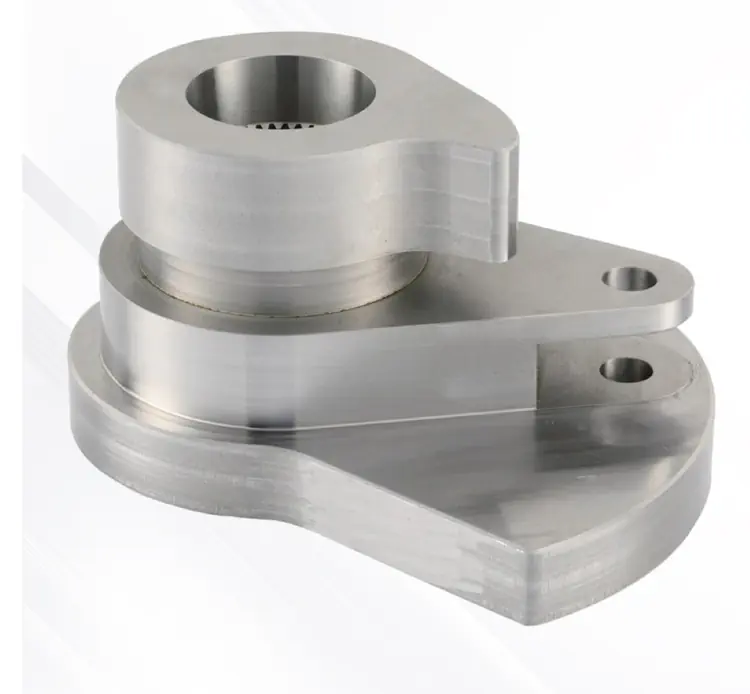
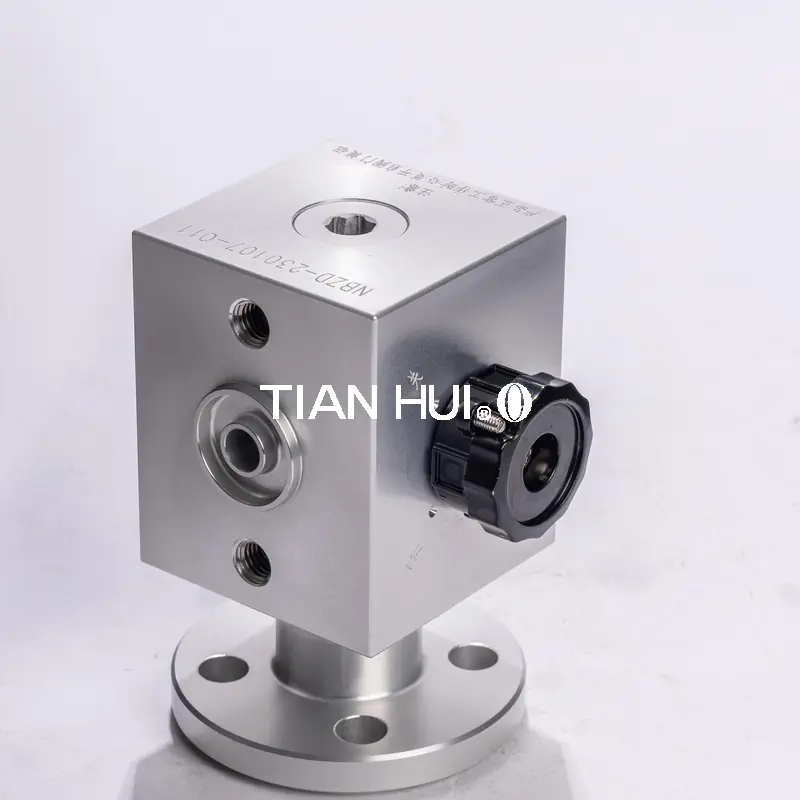
These AL6082 aluminum components required precision machining on multiple faces. The manufacturing route was developed around 4-axis CNC machining so more features could be produced from a controlled setup with fewer manual repositioning steps.
Manufacturing Challenge
Maintaining Feature Relationships Across Multiple Machined Faces
The primary risk was not material removal itself. It was keeping related holes, faces and interfaces in the correct relationship when the part required access from several directions.
Every additional re-clamping step can introduce datum transfer error, consume setup time and make repeatability more dependent on operator handling. The process was therefore planned around stable datums and 4-axis access.
Manufacturing Route
1. Blank and Datum Review
The AL6082 blank condition, clamping areas and functional datums were reviewed before programming so the machining sequence reflected the finished-part requirements.
2. 4-Axis CNC machining
Multiple faces were machined within a coordinated 4-axis route to reduce unnecessary re-clamping and maintain the relationship between features produced from different orientations.
3. Deburring and Cleaning
Edges, cross-holes and machined transitions were checked and deburred so the component could move to inspection without residual burrs affecting assembly or measurement.
4. Dimensional Verification
Inspection focused on drawing-defined dimensions and the positional relationships between machined faces and features. The inspection method was selected around the geometry and datum scheme of the finished part.
Project Result
The 4-axis route reduced repeated re-clamping and provided a more stable way to machine multiple related faces on the AL6082 components. The case demonstrates that the value of multi-axis machining comes from a better setup and datum strategy—not simply from using a machine with more axes.
How Was the Finished-Part Requirement Verified?
Verification is tied to the project characteristics that carry the highest manufacturing risk. Project-specific methods and records that can be disclosed remain in the case content; the structured fields below summarize public dimensional and surface targets when available.
Project Outcome
The 4-axis route reduced repeated re-clamping and supported more consistent machining of multiple faces and related features from a controlled datum strategy.
Project Images
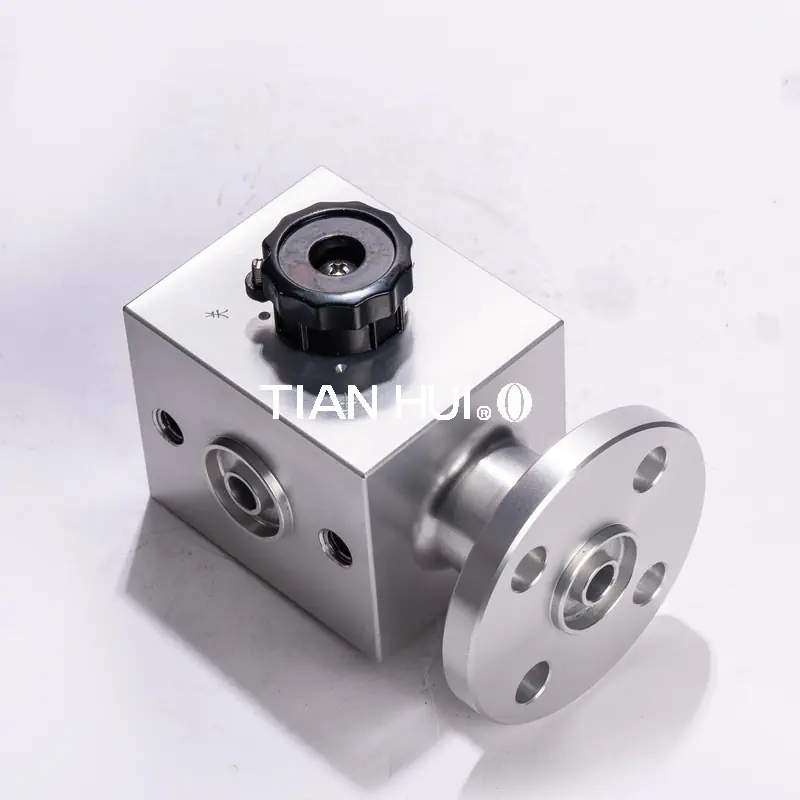
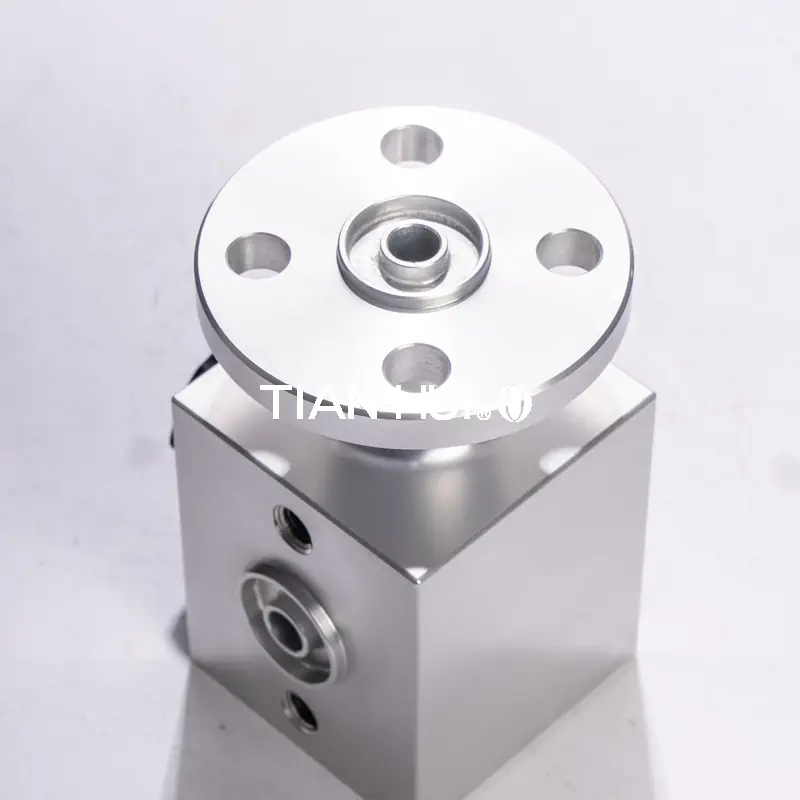
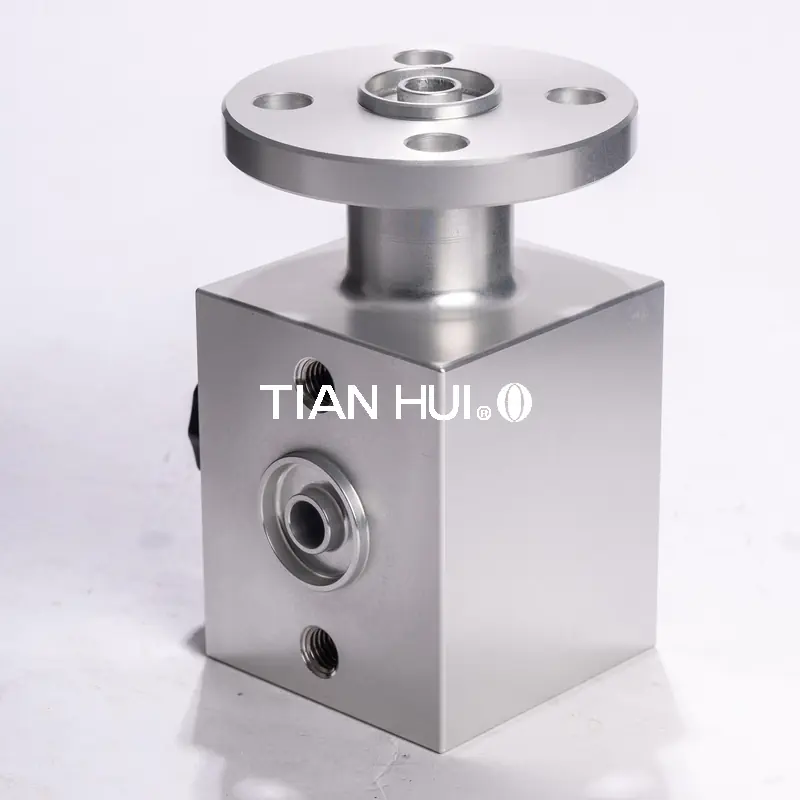
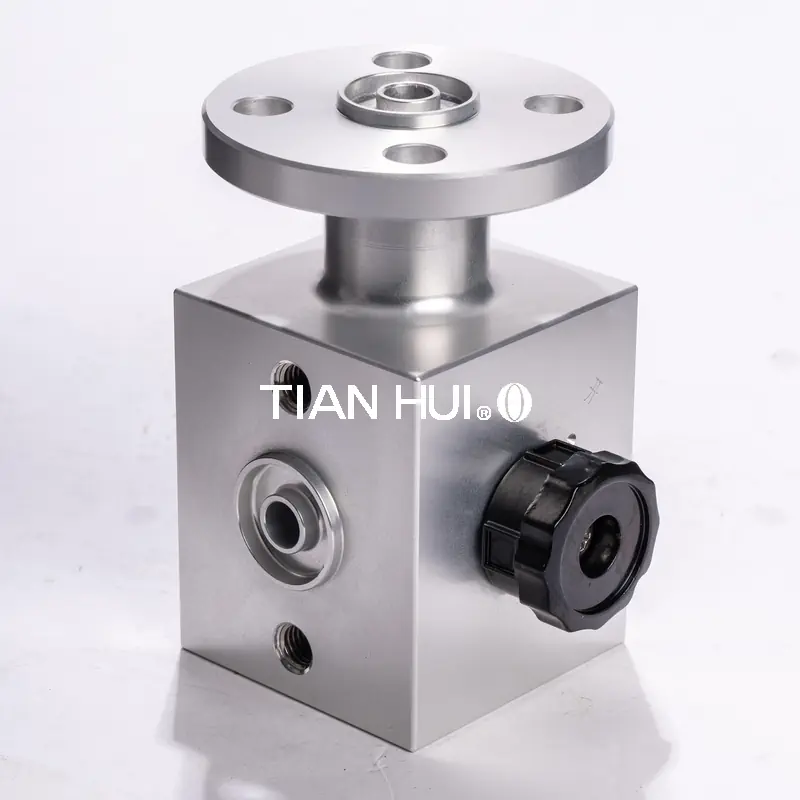
Key Project Considerations
For multi-face aluminum components, axis count is useful only when it simplifies the actual datum and setup strategy. The manufacturing plan should focus on which features need to remain related, how the part is held and how many times it must be re-clamped.