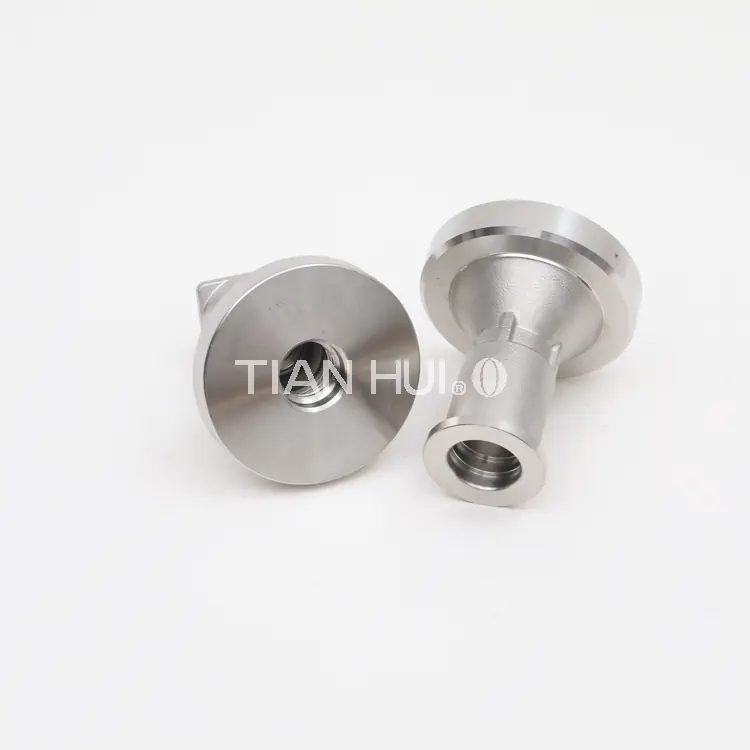
What Made This Part Difficult?
The project required strict dimensional control, reliable material performance and stable production quality.
How the Component Was Taken From Requirement to Finished Part
This section documents the decisions specific to this component: route selection, machining or secondary operations, critical interfaces and control points. General process capabilities are covered on the related Manufacturing pages.
Project Background
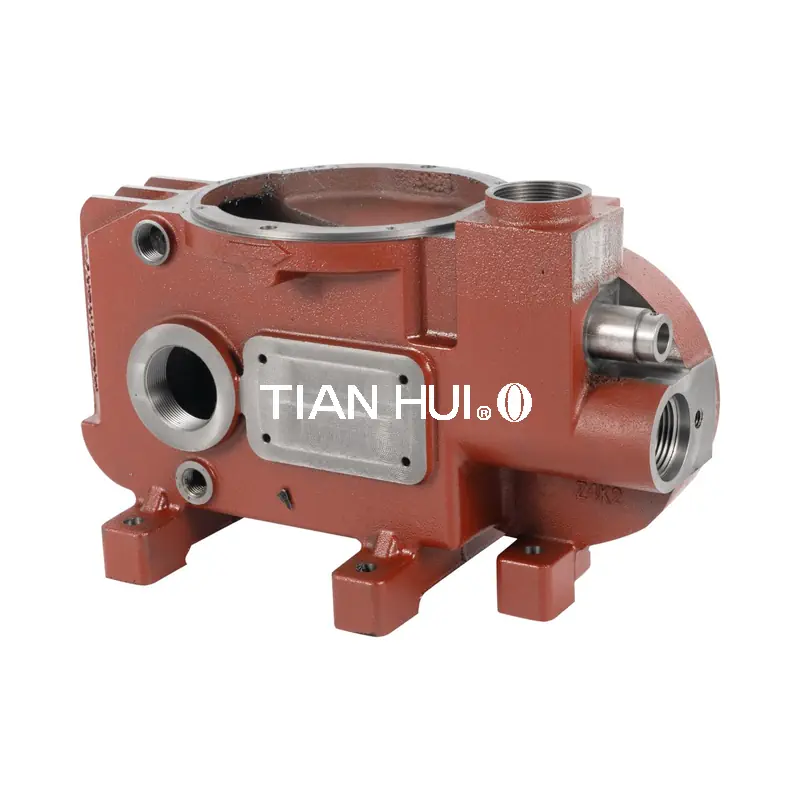
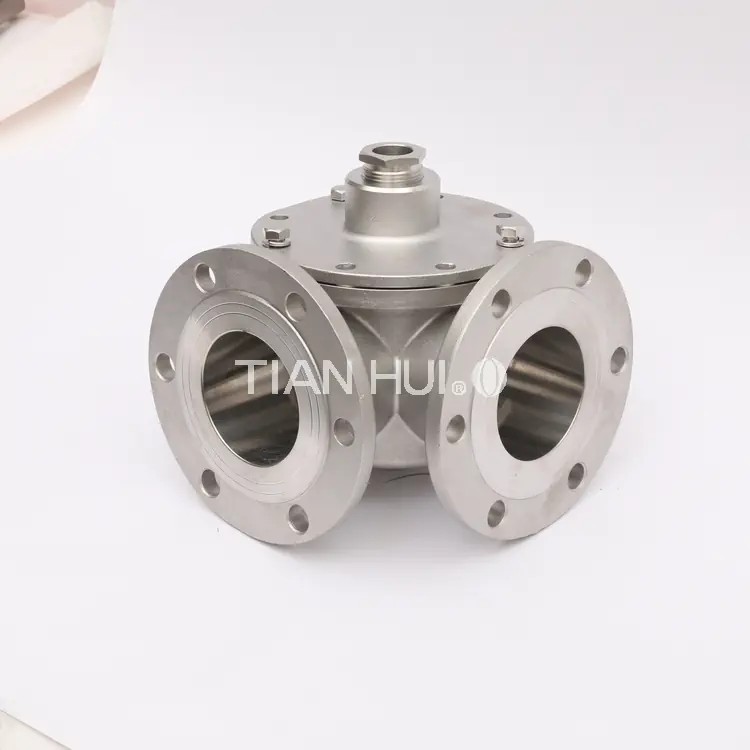
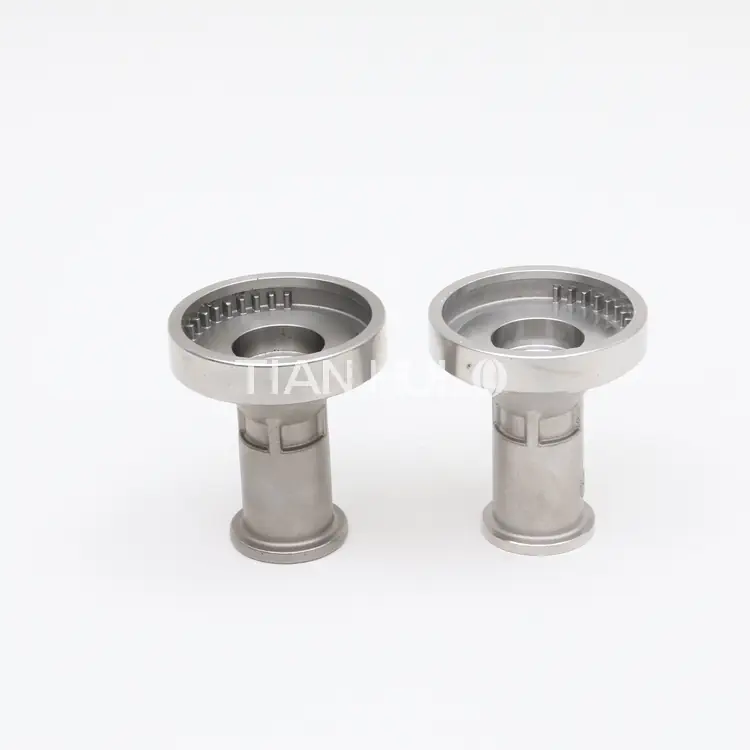
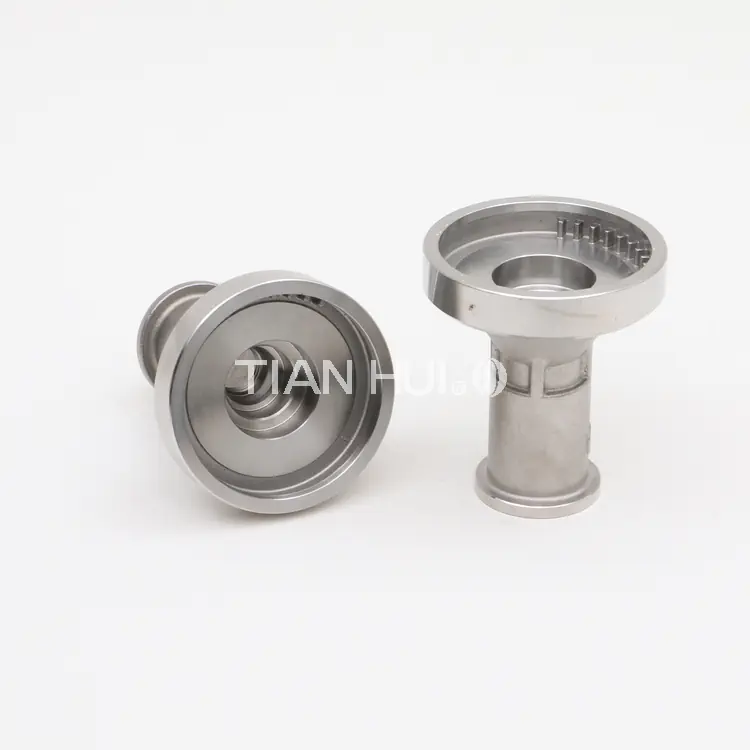
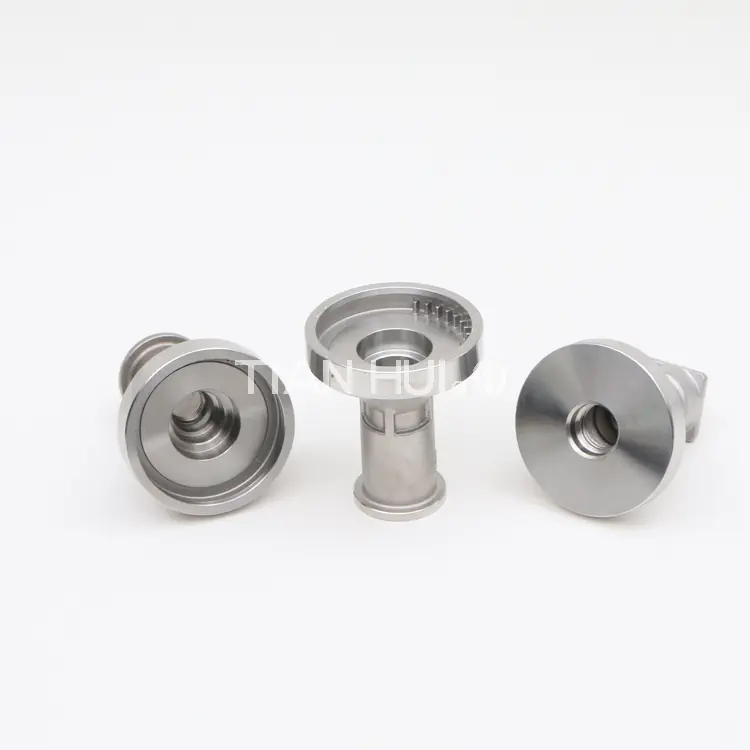
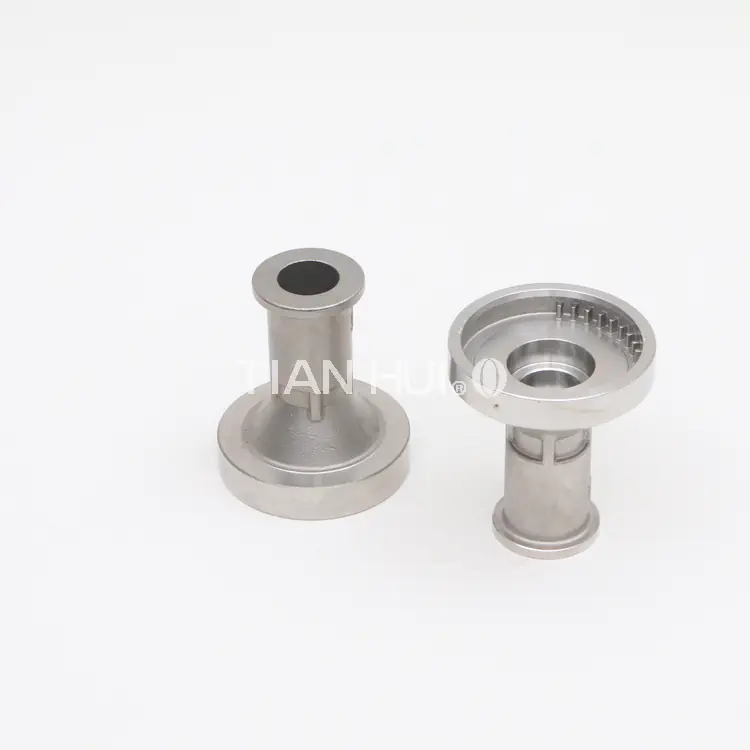
This stainless steel precision casting is used in a road snow-removal system. Unlike a prototype project, the main requirement was to keep the same casting quality stable over long-term repeat production and a high annual shipment volume.
The component has been produced for a customer program approaching 20 years, with annual exports above 80,000 pieces. That production history makes tooling condition, casting consistency and surface control central to the manufacturing plan.
Manufacturing Challenge
Long-Term Repeatability Across High-Volume Production
The difficult part of this project was not one isolated tolerance. It was maintaining the same geometry and surface condition across repeated batches while tooling, process conditions and production volume changed over time.
For a municipal equipment component exposed to repeated service and outdoor conditions, visible casting defects, unstable dimensions or inconsistent finishing can create assembly and field-quality problems even when the basic material specification is correct.
Manufacturing Route
1. Tooling and Process Control
Tooling condition and process parameters were maintained as part of the repeat-production plan so the casting route remained stable from batch to batch.
2. Stainless Steel Investment Casting
The component was produced through investment casting to form the required geometry with a consistent near-net-shape blank.
3. Cleaning and Surface Control
After casting, gates and process residues were removed and the component surface was checked against the project appearance and finishing requirements.
4. Batch Inspection and Release
Dimensional and visual inspection were applied to the repeat-production characteristics that could affect assembly, appearance and long-term consistency. material verification and inspection records were maintained according to the agreed project scope.
Project Result
The manufacturing route has supported a long-running production program approaching 20 years, with annual exports above 80,000 pieces. The value of the project lies in repeatability: maintaining casting geometry and surface quality over sustained production rather than proving capability on a single sample batch.
How Was the Finished-Part Requirement Verified?
Verification is tied to the project characteristics that carry the highest manufacturing risk. Project-specific methods and records that can be disclosed remain in the case content; the structured fields below summarize public dimensional and surface targets when available.
Project Outcome
The component has supported long-term repeat production approaching 20 years, with annual exports above 80,000 pieces and continued control of casting consistency and surface quality.
Project Images
Key Project Considerations
For mature repeat-casting programs, tooling condition, process consistency and inspection discipline become as important as the original sample approval. The production route should be managed for repeatability across years, not only for first-article acceptance.