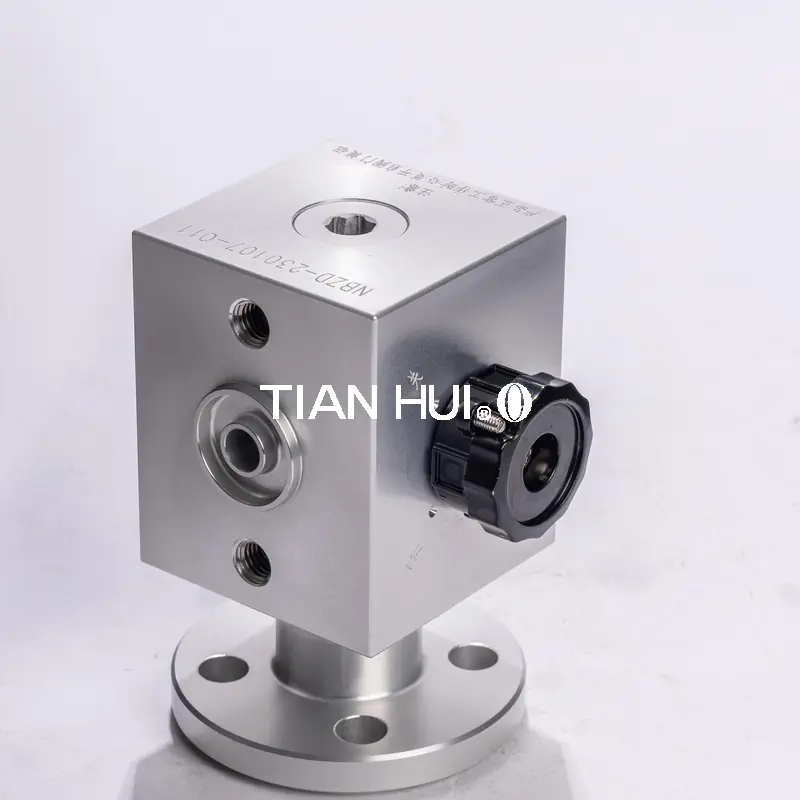
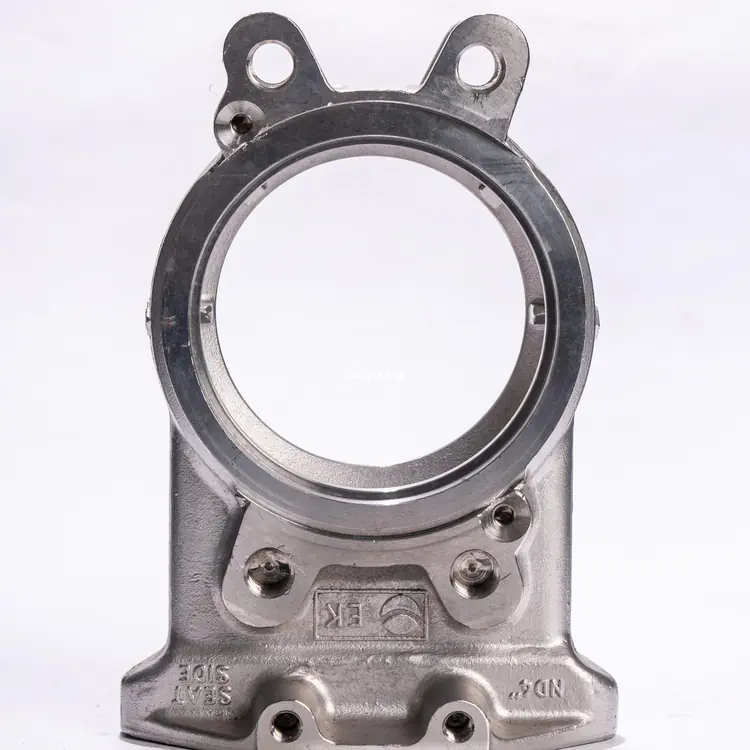
What Made This Part Difficult?
The main manufacturing risk was transferring a cast blank into a stable machined valve component. Machining allowance, datum selection and the relationship between cast geometry and finished mating surfaces had to be controlled so the final interfaces aligned correctly after CNC machining.
How the Component Was Taken From Requirement to Finished Part
This section documents the decisions specific to this component: route selection, machining or secondary operations, critical interfaces and control points. General process capabilities are covered on the related Manufacturing pages.
Project Background
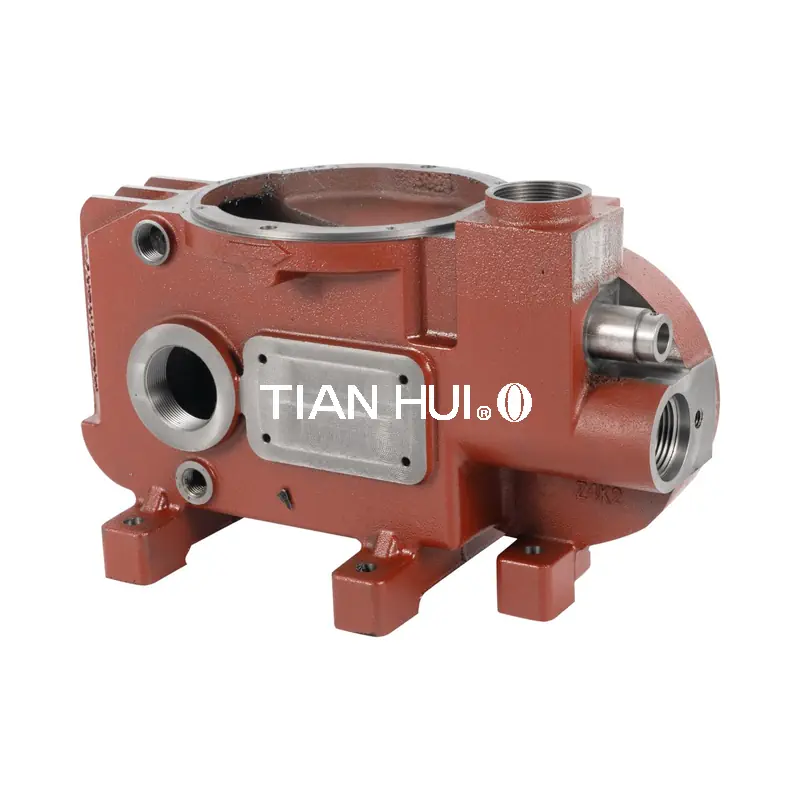
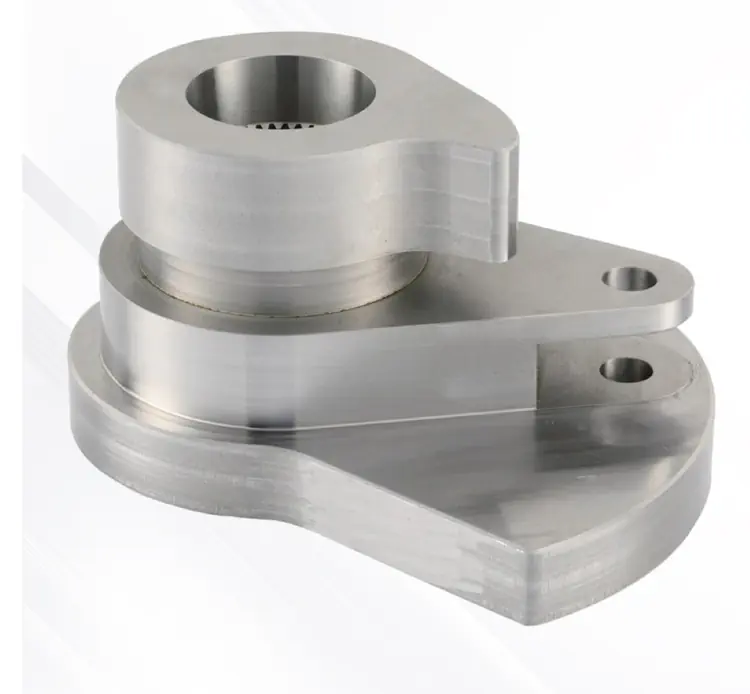
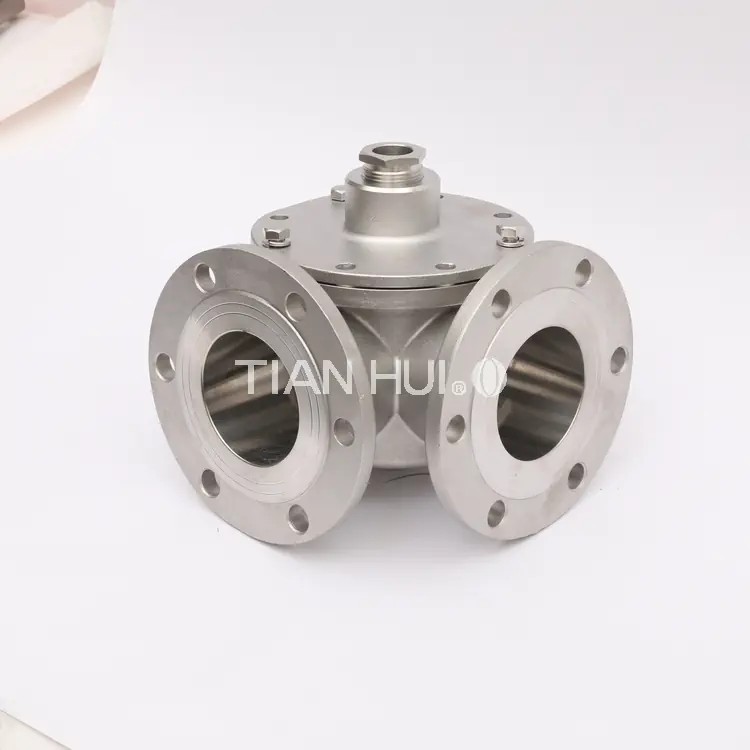
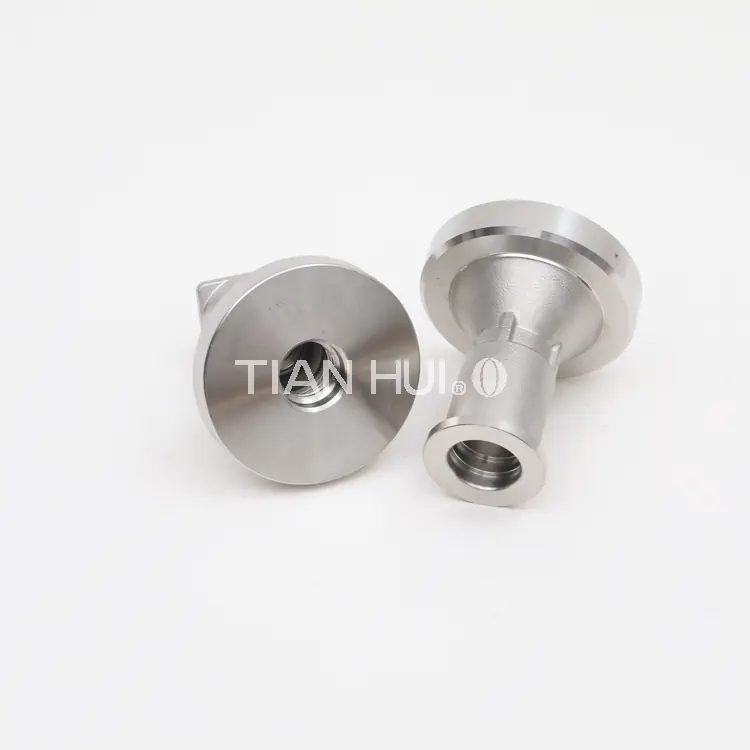
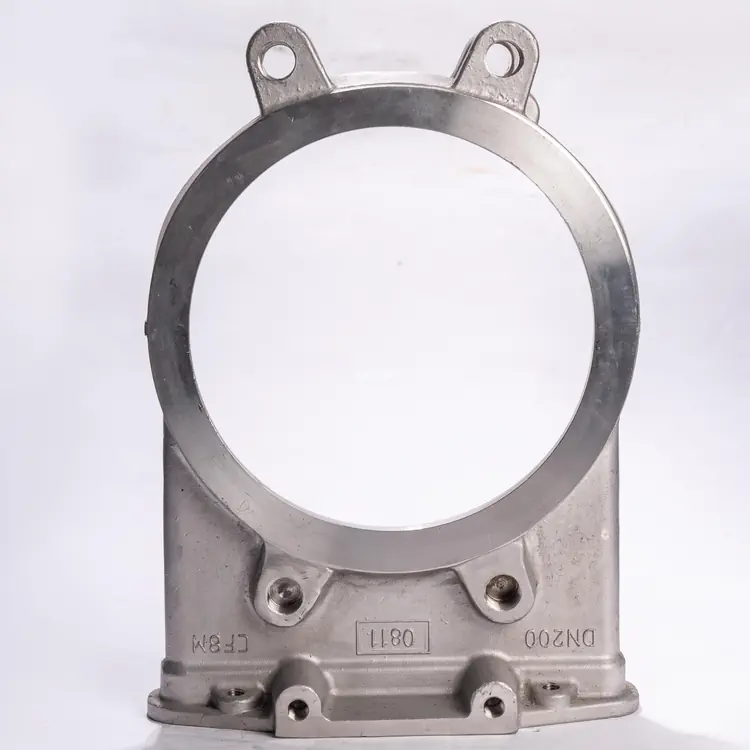
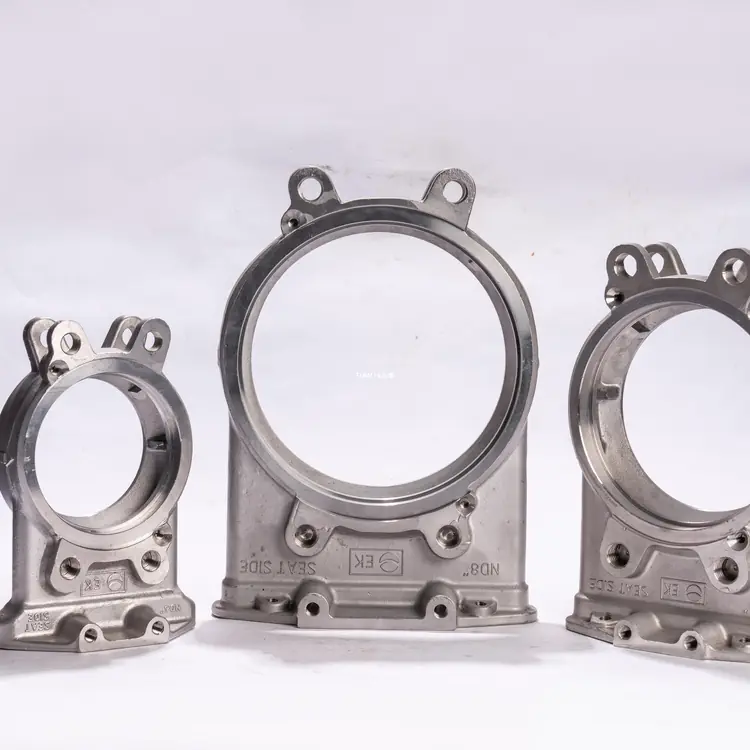
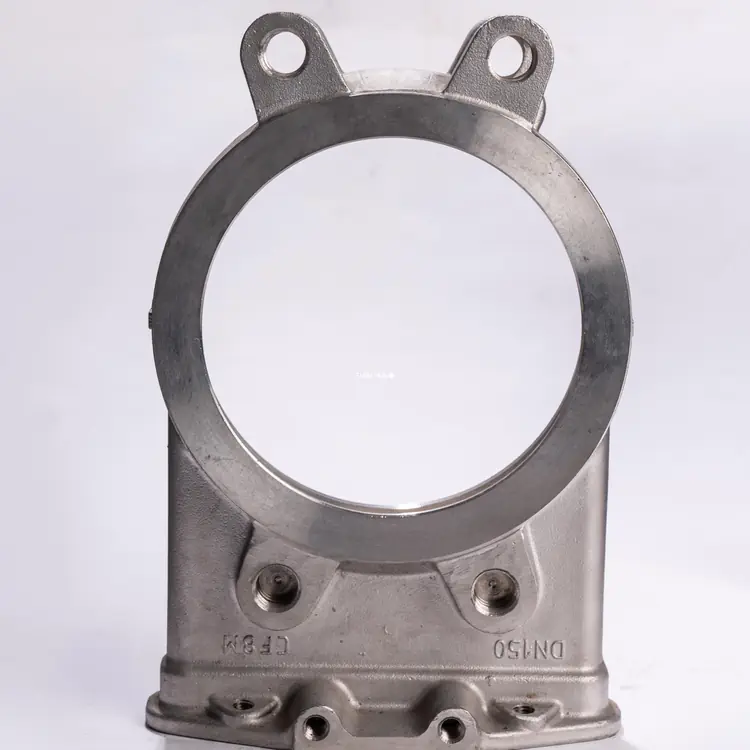
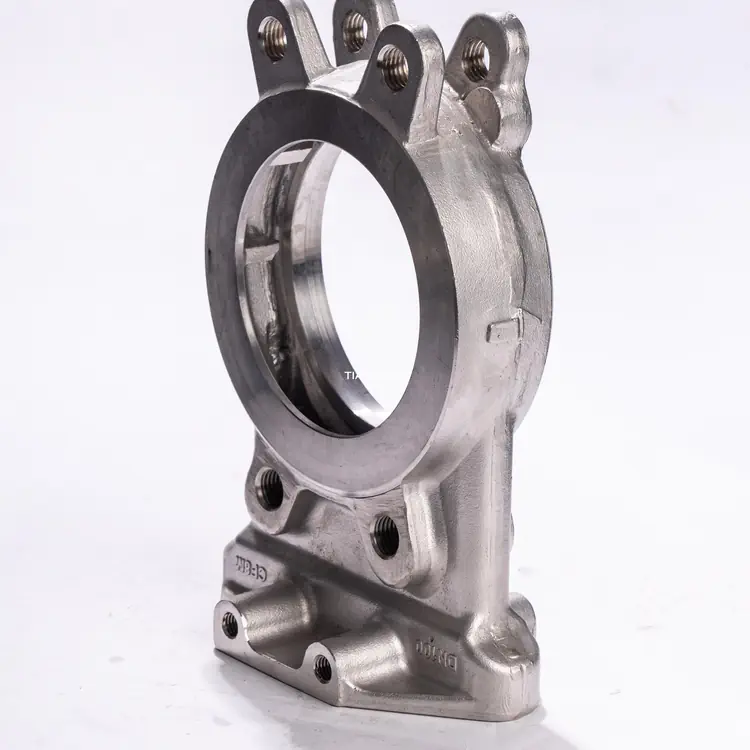
This project covers stainless steel components for a sluice valve, produced from a cast blank and finished by CNC machining. The component required more than a sound casting: the cast geometry had to provide the correct stock, datum locations and access for the final machined interfaces.
Manufacturing Challenge
Controlling the Transition From Casting to Finished Valve Component
The main risk was the relationship between the as-cast blank and the final machined features. If machining allowance is uneven or the datum strategy is not considered during tooling design, sealing faces, bores and mating interfaces can become more difficult to control.
For this reason, casting tooling and CNC machining were reviewed as one route rather than as independent operations.
Manufacturing Route
1. Casting Tooling
The tooling plan was developed around the finished valve geometry, including the areas that would later become machining datums and functional interfaces.
2. Stainless Steel Casting
The valve component was cast with controlled stock on the surfaces requiring downstream machining.
3. Blank Preparation
Gates, process residues and non-functional excess stock were removed before the blank entered machining. The blank condition was reviewed so stable datums could be established.
4. CNC Machining
Functional faces, bores and mating features were machined from drawing-defined datums. Setup planning focused on maintaining feature relationships while avoiding unnecessary re-clamping.
5. Final Inspection
Inspection concentrated on the machined interfaces that affect valve assembly and function. material verification, dimensional checks and surface-finish verification were applied according to the drawing and inspection scope.
Project Result
The finished component was managed through one coordinated casting-to-machining route: casting tooling, valve casting, blank preparation, CNC machining and final inspection. This reduced the risk of treating the cast blank and the finished valve interfaces as separate manufacturing problems.
How Was the Finished-Part Requirement Verified?
Verification is tied to the project characteristics that carry the highest manufacturing risk. Project-specific methods and records that can be disclosed remain in the case content; the structured fields below summarize public dimensional and surface targets when available.
Project Outcome
The project established a coordinated route from casting tooling and valve casting through blank preparation, CNC machining and final inspection, allowing the finished valve interfaces to be controlled within one manufacturing plan.
Project Images
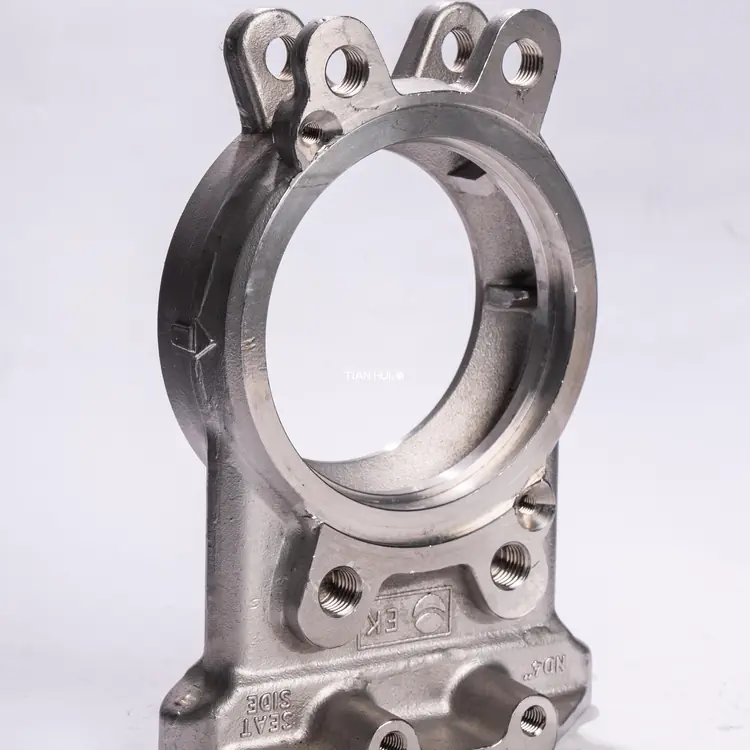
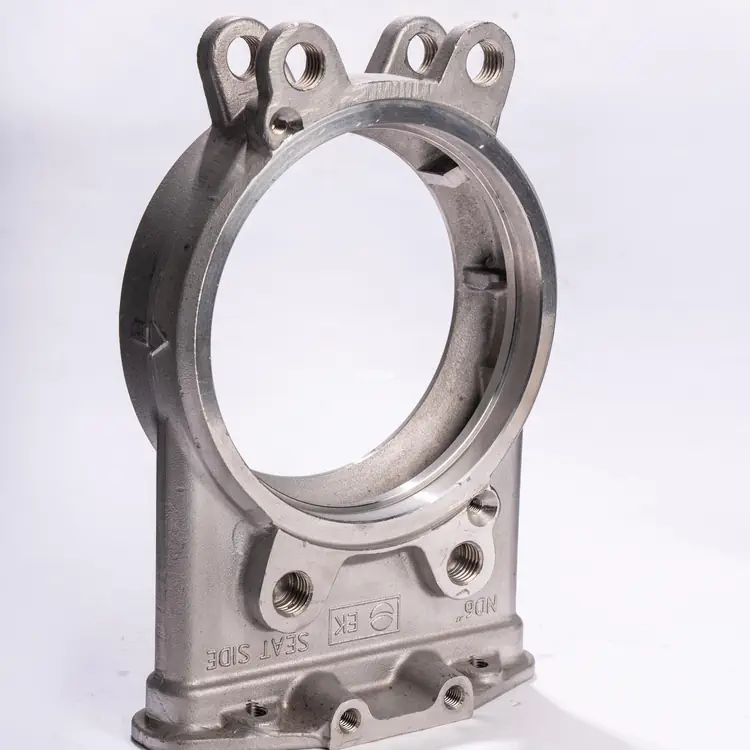
Key Project Considerations
For cast valve components, the machining plan should be defined before casting tooling is finalized. Datum location, machining allowance and sealing or mating surfaces need to be considered together to avoid unnecessary stock, re-clamping and dimensional stack-up.