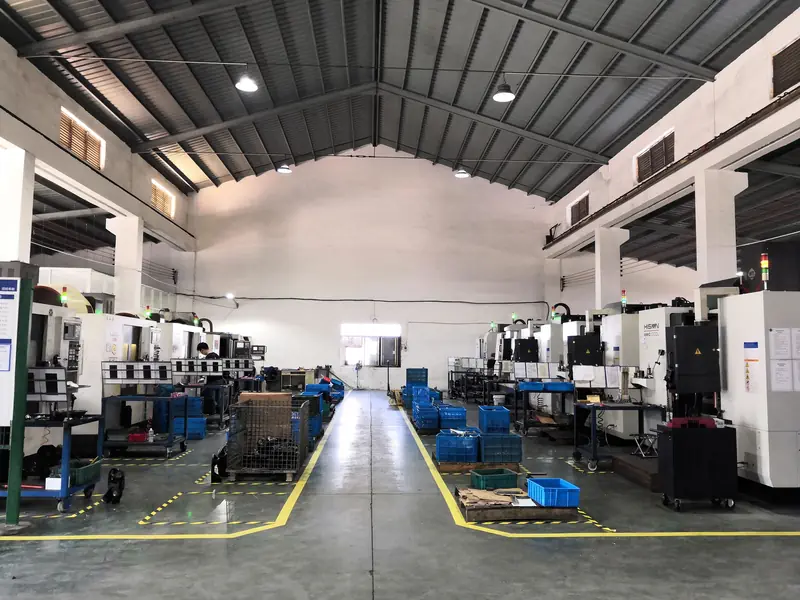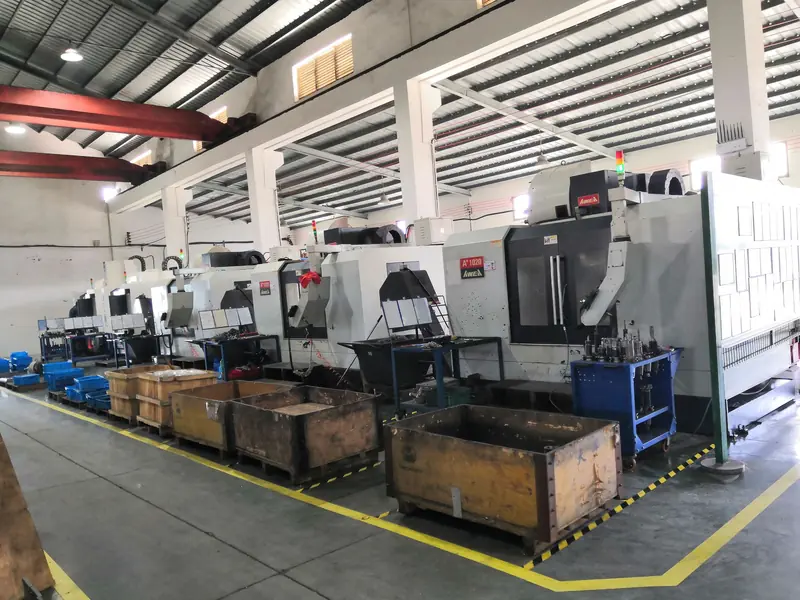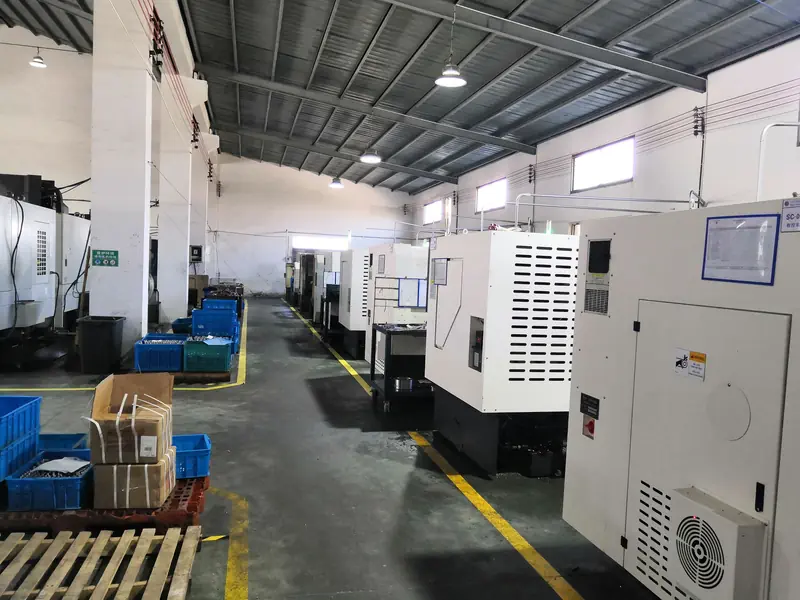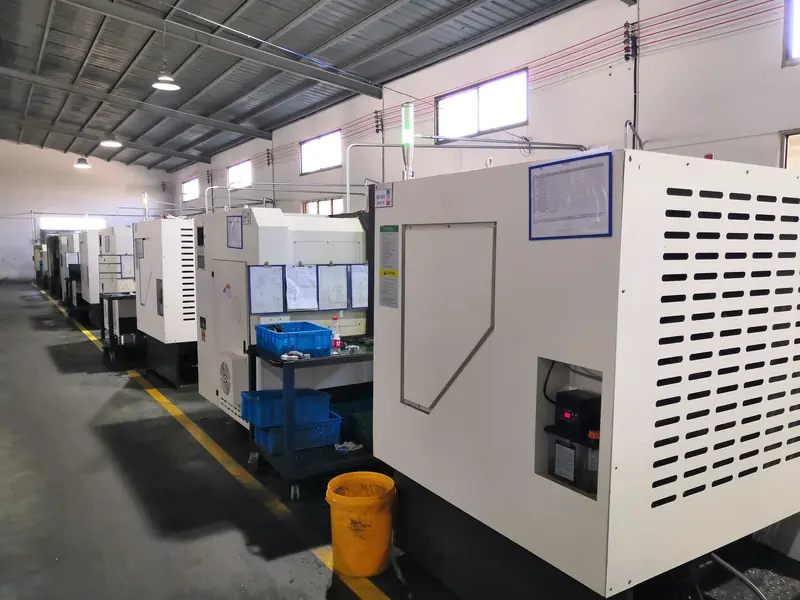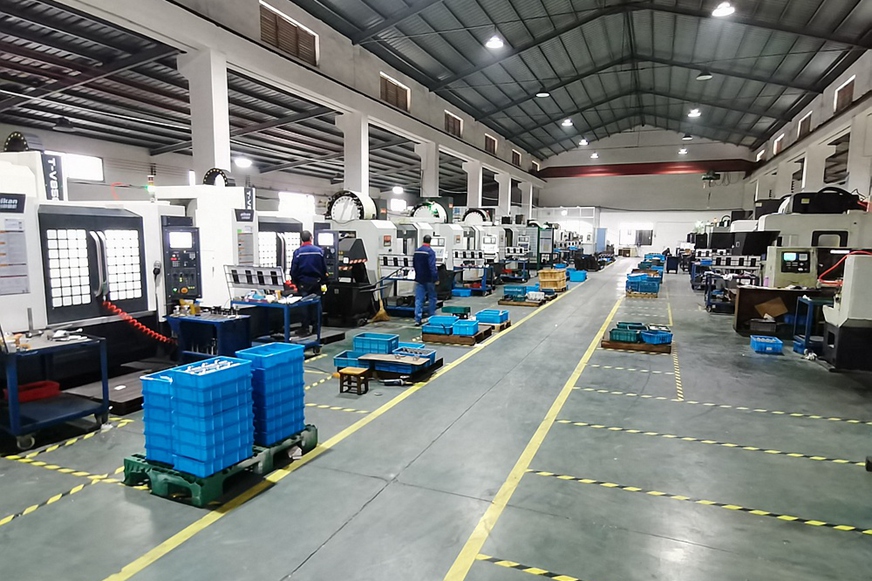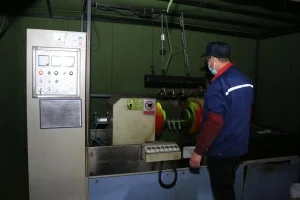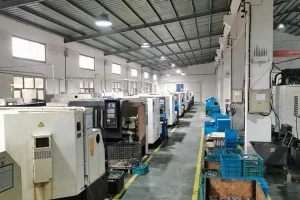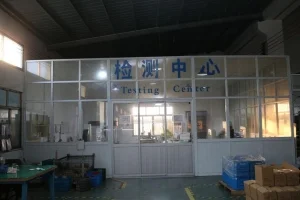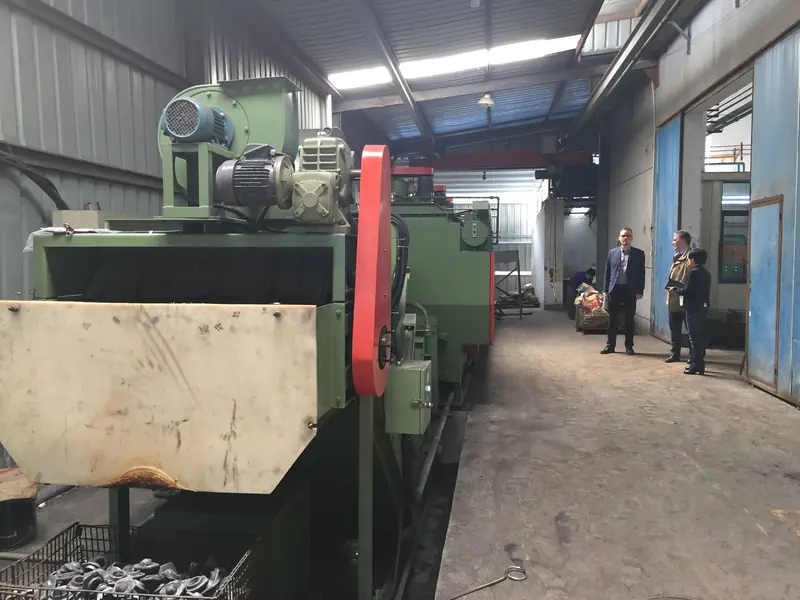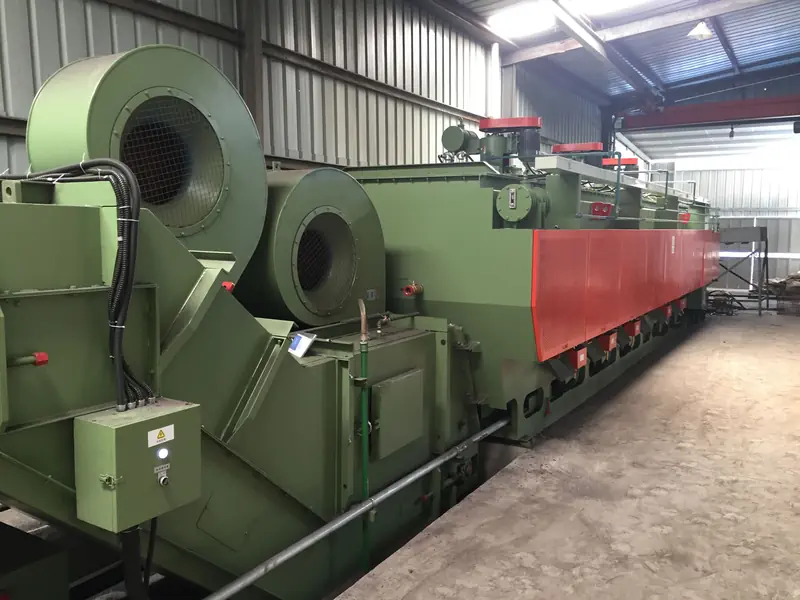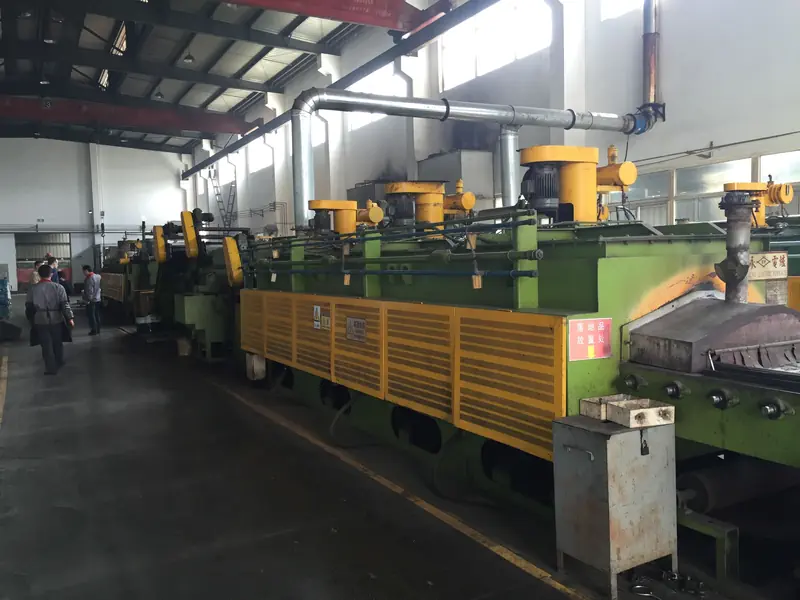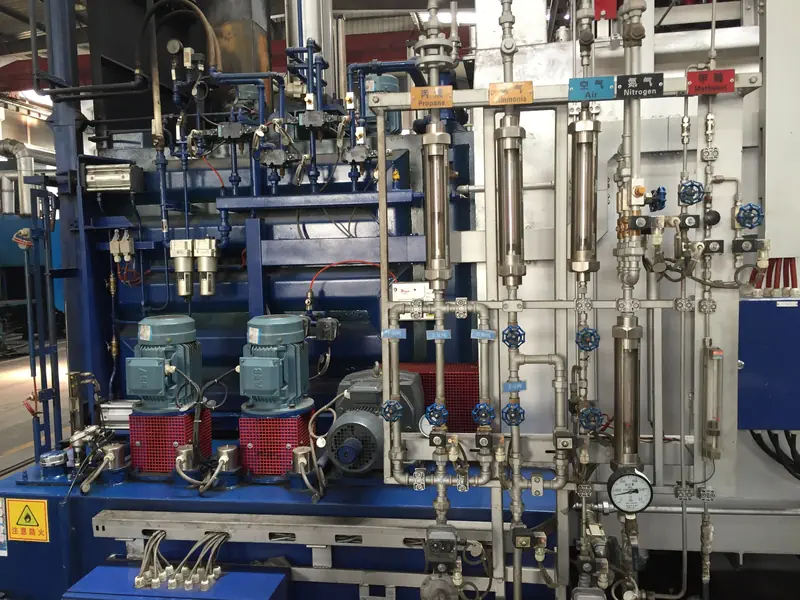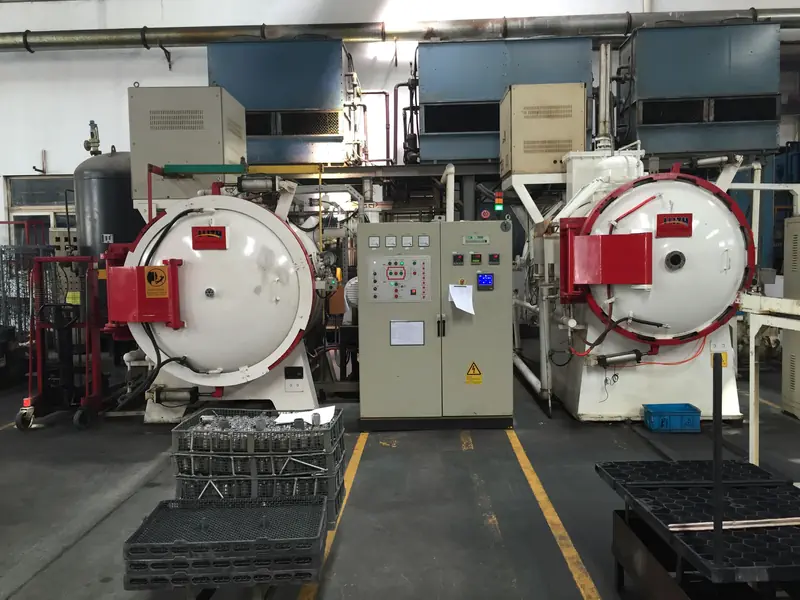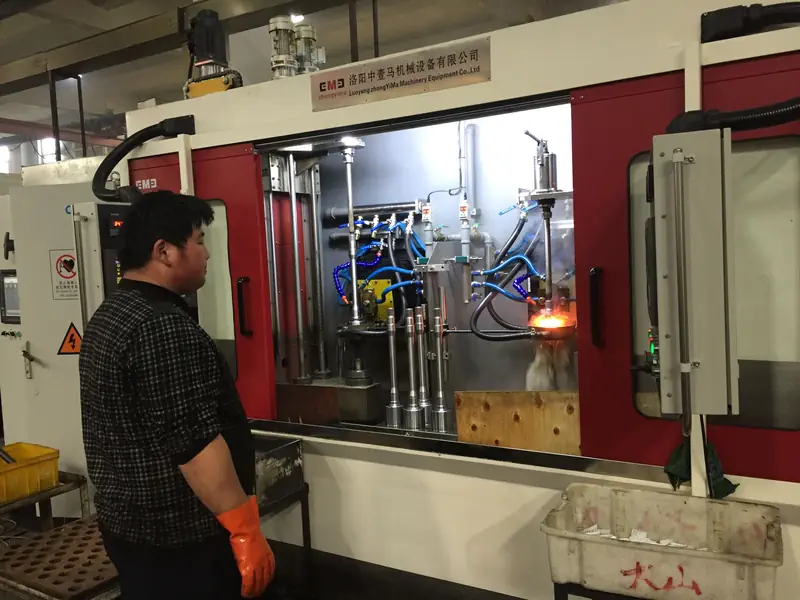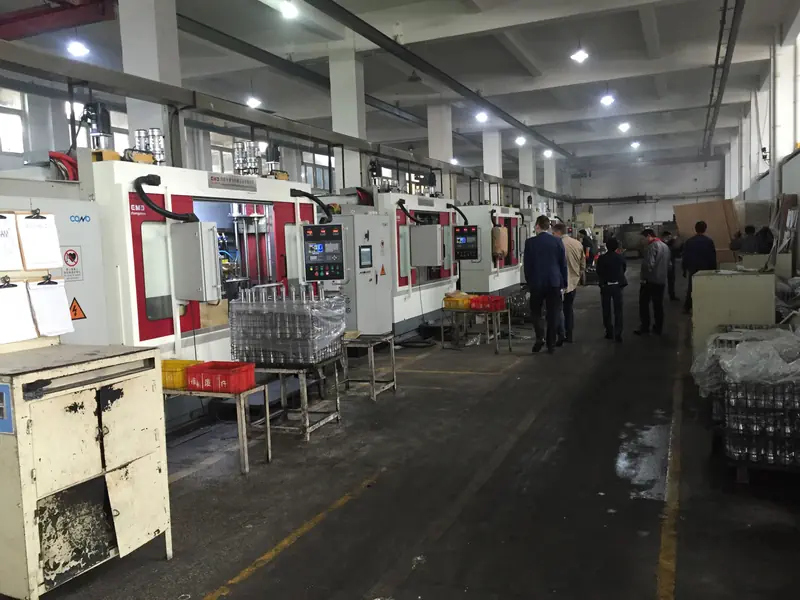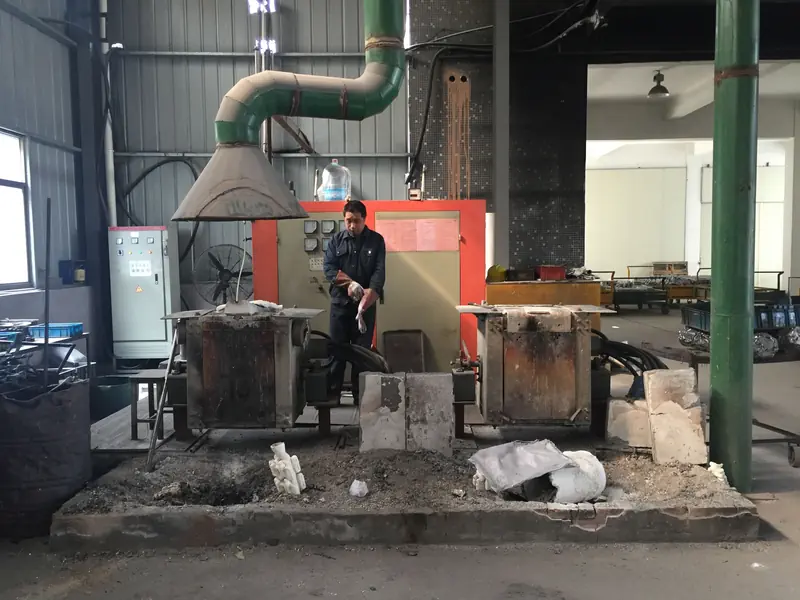

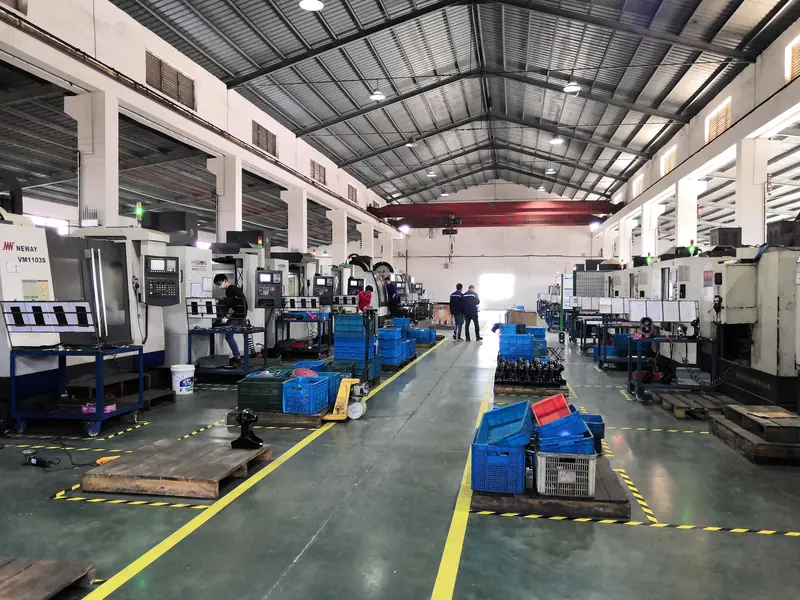
TIANHUI MACHINE manufacturing facility
01 / About TIANHUI MACHINE

A Manufacturing Partner You Can Evaluate Beyond the Quotation.

TIANHUI MACHINE supports drawing-based metal components through casting, forging, CNC machining and coordinated secondary operations.

Our manufacturing activities span Ningbo and Chizhou, combining machining experience with casting and forming capabilities for industrial OEM projects.

Customers can review more than a process name: the production environment, manufacturing route, inspection resources, project workflow and evidence behind repeat production.

02 / Company Facts

Manufacturing Scale Behind the Components

Selected production facts help buyers understand the resources available before reviewing a specific drawing.

2Manufacturing
Bases
28,000 m²Combined Building
Area
50+3 & 4 Axis
Machining Centers
60+CNC
Lathes
2Silica Sol
Casting Lines
2500 TAnnual Precision
Casting Capacity
03 / Manufacturing Bases

Two Production Bases with Different Manufacturing Roles.

The two facilities support different stages of drawing-based production, allowing forming, machining and inspection requirements to be coordinated around the finished component.

01 / NINGBO

Ningbo Manufacturing Base

Ningbo Tianhui Machinery was established in 2007, with a factory building of 10,000 square meters and more than 100 employees. The facility has developed extensive experience in precision machining and customized components.

Primary RolePrecision machining and drawing-based industrial components.
  • 10,000 m² manufacturing facility
  • 100+ experienced employees
  • 3-axis and 4-axis CNC machining
  • CNC turning and customized components
  • Production and final dimensional verification support
02 / CHIZHOU

Chizhou Manufacturing Base

Chizhou Tianhui Machinery Co., Ltd. occupies 25 acres with a construction area of 18,000 square meters. The facility supports casting, machining and forming requirements for industrial components.

Primary RoleCasting, machining and broader production support for industrial components.
  • 25-acre manufacturing site
  • 18,000 m² construction area
  • Silica sol precision casting
  • Precision machining and forging capabilities
  • Industrial production capacity
04 / How We Support OEM Projects

A Clear Route from Drawing Review to Repeat Production.

The exact route changes with the component, but the project is reviewed around the same practical questions: what the part must do, how it should be made and how conformity will be verified.

01

Drawing Review

Review 2D/3D data, critical features, application and annual demand.

02

Process & Material

Evaluate the forming or machining route against geometry and performance requirements.

03

Tooling / Fixturing

Define tooling, patterns, dies or machining fixtures where the project requires them.

04

Sample Approval

Confirm first parts, dimensions and agreed inspection records before repeat production.

05

Production

Control casting, forging, machining and agreed secondary operations through the production route.

06

Inspection

Verify material, dimensions, surface condition and project-specific requirements.

07

Repeat Supply

Maintain the approved route, tooling and inspection scope for repeat OEM orders.

05 / Manufacturing Network

Five Manufacturing Routes, Selected Around the Part.

These processes solve different geometry, material, volume and performance requirements. Detailed limits, engineering considerations and value-added services are explained on each capability page.

Compare Manufacturing Processes →
01

Investment Casting

Silica sol precision casting for complex steel and stainless-steel components requiring near-net-shape production.

Explore Investment Casting →
02

Sand Casting

A practical route for larger or heavier cast components where tooling, cores and machining allowance are important.

Explore Sand Casting →
03

Die Casting

For suitable non-ferrous components where repeatability, production volume and integrated geometry drive process selection.

Explore Die Casting →
04

Forging

Forged components for applications where strength, toughness and mechanical performance influence the manufacturing route.

Explore Forging →
05

CNC Machining

Precision machining for cast, forged and directly machined parts with drawing-defined datums, tolerances and finishes.

Explore CNC Machining →
06 / Factory & Production Evidence

See the Manufacturing Environment Behind the Website.

Factory and production images provide direct context for the facilities, equipment and shop-floor environment supporting customer projects.

07 / Quality, Inspection & Documentation

Quality Evidence Should Match the Drawing and the Risk.

Inspection is planned around the part rather than added only at shipment. The exact equipment and records depend on the material, manufacturing process and agreed project scope.

01 / MATERIAL

Material Verification

Material grade and chemistry can be checked using the appropriate verification route before or during production.

02 / DIMENSIONS

Dimensional Inspection

CMM, conventional measuring equipment and fixtures support drawing-defined dimensional requirements.

03 / PERFORMANCE

Mechanical & Surface Checks

Hardness, tensile, roughness, coating thickness and other agreed checks are selected according to the component.

04 / RECORDS

Project Documentation

Material records, dimensional reports, FAI, PPAP and other documents can be agreed before production where required.

08 / Systems & Customer Evaluation

Manufacturing Trust Is Built Through Systems, Records and Factory Evidence.

Quality systems matter most when they translate into traceable production, clear inspection scope and a manufacturing environment customers can evaluate.

01

ISO 9001

Quality management processes support controlled production and documented inspection activities.

02

IATF 16949

Automotive quality-system requirements support projects that require more structured quality planning and records.

03

Traceability & Records

Material, process and inspection records can be defined according to the customer drawing and project requirements.

04

Factory Visits & Audits

Customer visits and manufacturing reviews provide a direct way to evaluate production and quality processes.

09 / Company Development

Manufacturing Capabilities Built Over Time.

The company has expanded from machining-focused production into a broader manufacturing network covering casting, forging and precision machining.

TIANHUI MACHINE Established

The company began its development as a machinery and precision machining business.

Overseas Market Development

International market development and customer expansion began.

ISO 9001 Quality System

Quality management capabilities were strengthened during rapid development.

Automotive Quality System Development

The manufacturing operation expanded its automotive quality management capability.

ERP Management System

An ERP management system was introduced to improve internal management.

Facility Expansion

The company moved to a larger production location and expanded manufacturing space.

Hot Forging Workshop

A hot forging workshop expanded forming capabilities.

Chizhou Precision Machining Plant

Regional precision machining capacity was strengthened.

Chizhou Precision Casting Company

Precision casting capacity was further expanded.

10 / Industrial Applications

Manufacturing Support Across Engineered Equipment.

Browse product groups to see the types of components used in pumps and valves, hydraulics, agricultural machinery, automotive, construction equipment and other industrial applications.

12 / OEM & Custom Parts

Have a Drawing or Sample? Start with the Part Requirements.

Send a drawing, 3D model, sample or technical requirement together with material, quantity, critical tolerances and inspection needs for manufacturing review.

Request a Manufacturing Review