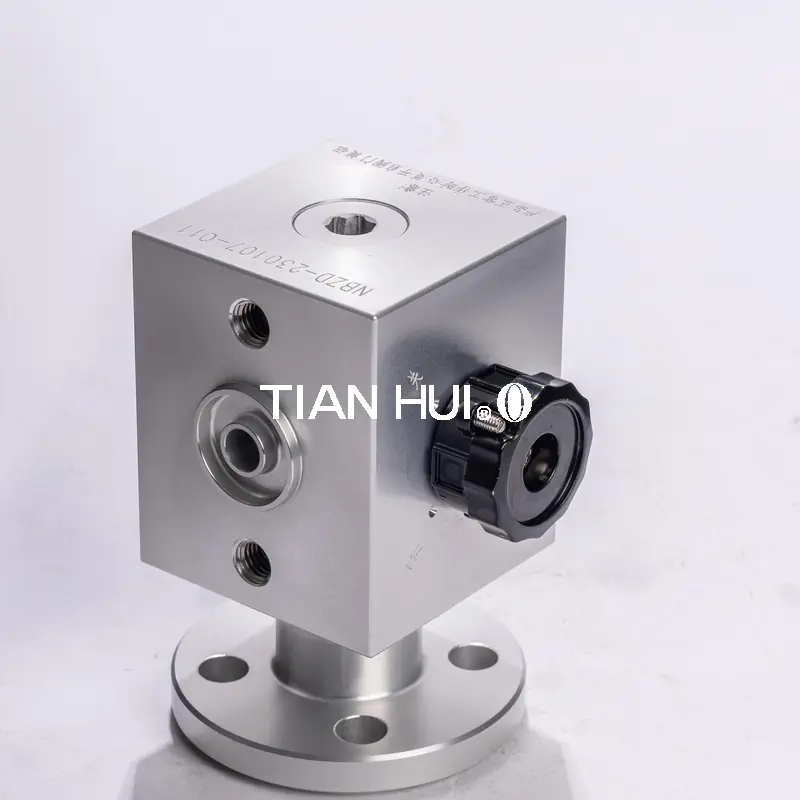
What Made This Part Difficult?
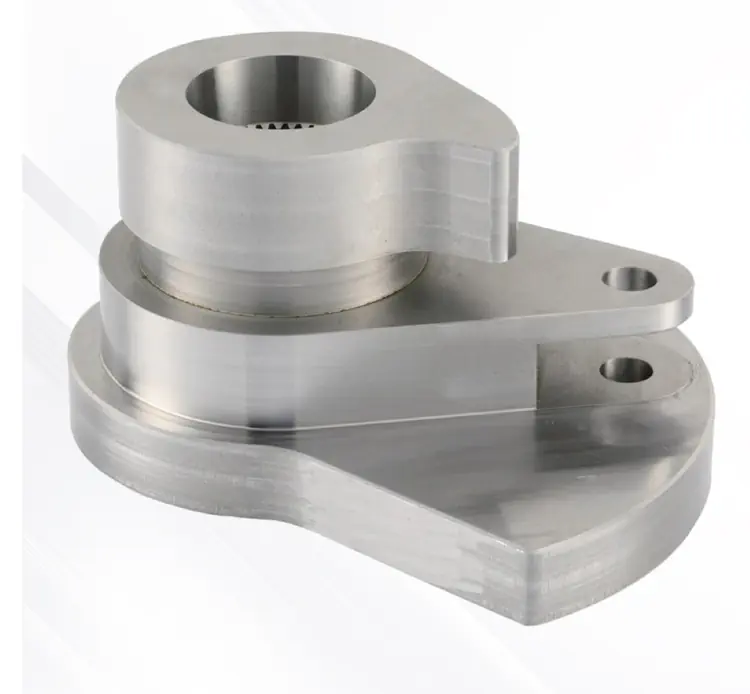
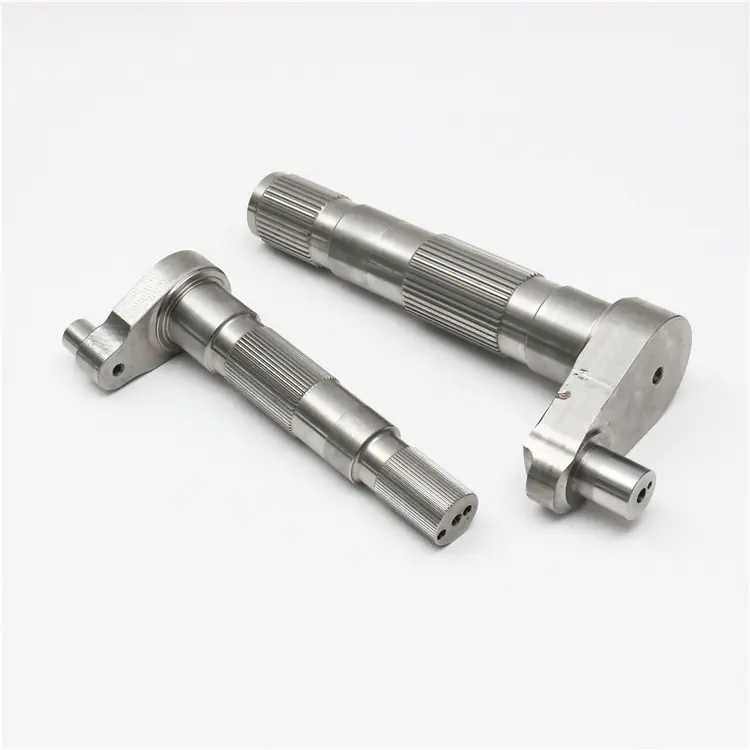
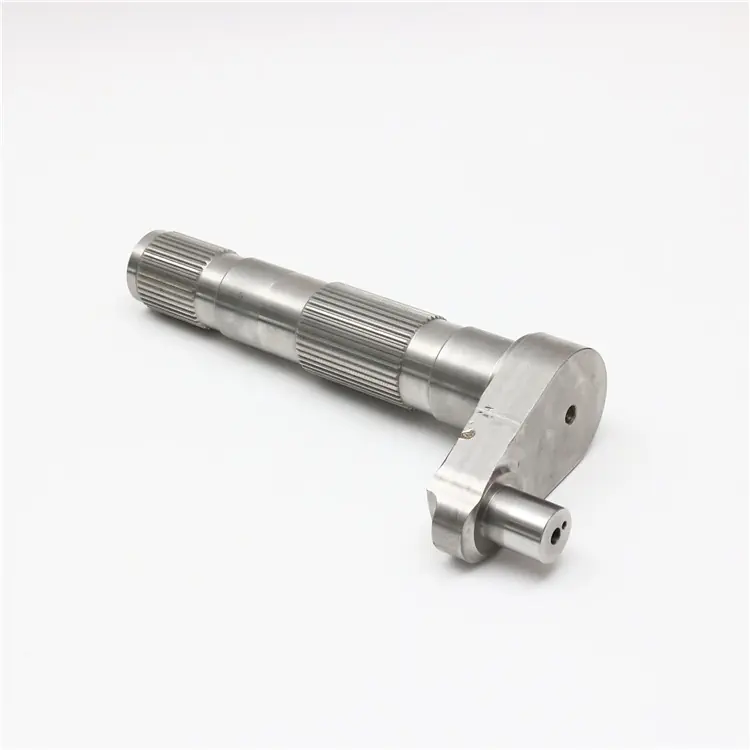
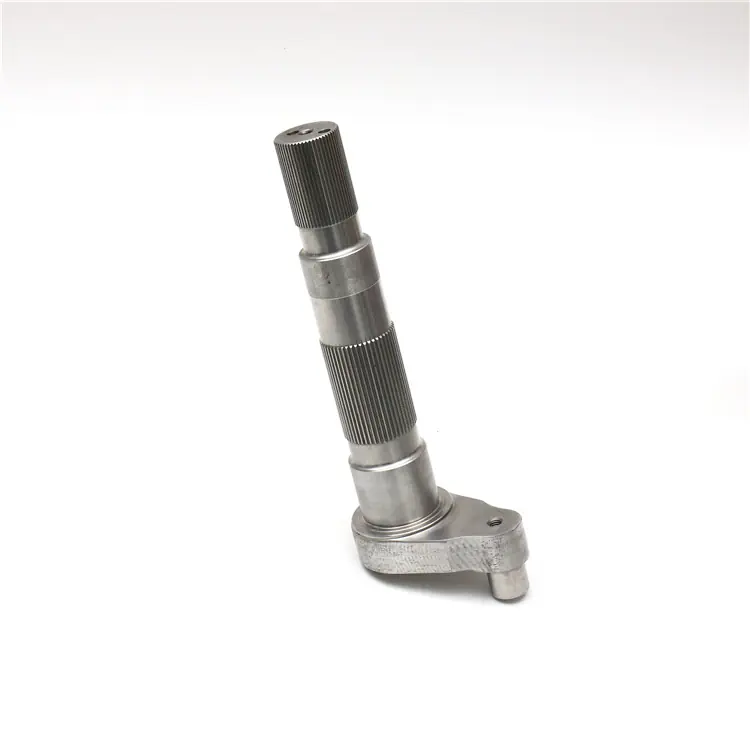
The forged camshaft combines eccentric geometry, a precision involute spline and a controlled angular relationship. The main risk was maintaining the relationship between the forged blank, machined datums, 7f spline and eccentric features while also meeting selected IT7 dimensions, Ra 1.6 and 100% NDT requirements.
How the Component Was Taken From Requirement to Finished Part
This section documents the decisions specific to this component: route selection, machining or secondary operations, critical interfaces and control points. General process capabilities are covered on the related Manufacturing pages.
Project Background
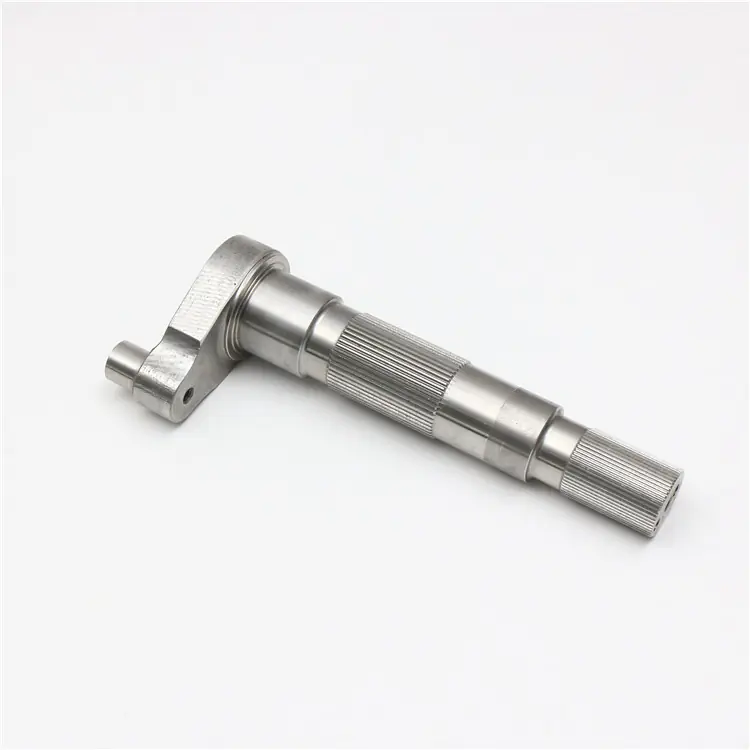
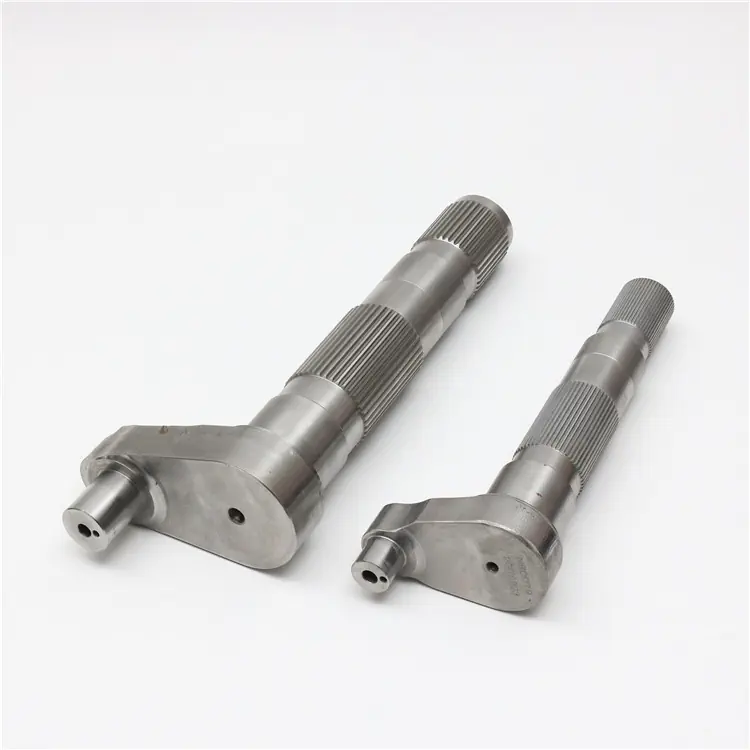
This stainless steel forged eccentric camshaft is used in a high-voltage switch control mechanism. Its function depends on the relationship between the shaft axis, eccentric feature and involute spline, so forging quality and precision machining had to be managed as one route.
Manufacturing Challenge
Eccentric Geometry, Spline Fit and Angular Relationship
The drawing required selected IT7 dimensions, Ra 1.6 machined surfaces, a 7f involute spline and a ±0.15° angular relationship. In addition, the finished part required 100% non-destructive testing.
The main manufacturing risk was preserving the correct relationship between the forged blank and the machined functional features. Datum transfer, spline machining and eccentric geometry had to remain stable through the complete route.
Manufacturing Route
1. Forging
The stainless steel blank was produced through forging to provide the required basic geometry and material flow for the mechanical component.
2. Datum and Rough Machining
Machining datums were established before the critical eccentric and spline features were finished, reducing the risk of accumulated setup error.
3. Eccentric and Spline Machining
The eccentric geometry, 7f involute spline and other selected IT7 features were machined from the controlled datum structure. Machining sequence was planned around the required angular relationship.
4. Surface and Dimensional Verification
Critical dimensions and angular relationships were inspected according to the drawing, while roughness measurement verified the Ra 1.6 requirement on specified surfaces.
5. 100% Non-Destructive Testing
Every finished component was subjected to the specified NDT requirement before release, adding a material-integrity verification step to the dimensional inspection.
Project Result
The completed camshaft combined forged material, precision eccentric machining, 7f spline control, selected IT7 dimensions, Ra 1.6 finish and 100% NDT within one coordinated manufacturing route. This project illustrates why forged control-mechanism components need both geometry control and material-integrity verification.
How Was the Finished-Part Requirement Verified?
Verification is tied to the project characteristics that carry the highest manufacturing risk. Project-specific methods and records that can be disclosed remain in the case content; the structured fields below summarize public dimensional and surface targets when available.
Project Outcome
The finished camshaft was released through dimensional and surface verification together with 100% non-destructive testing, covering the key geometric and material-integrity risks of the forged component.
Project Images
Key Project Considerations
For forged eccentric shafts, datum planning must connect forging geometry with spline and eccentric machining. Angular relationships, spline fit and NDT should be defined early because they influence both machining sequence and final inspection.