Engineering Context
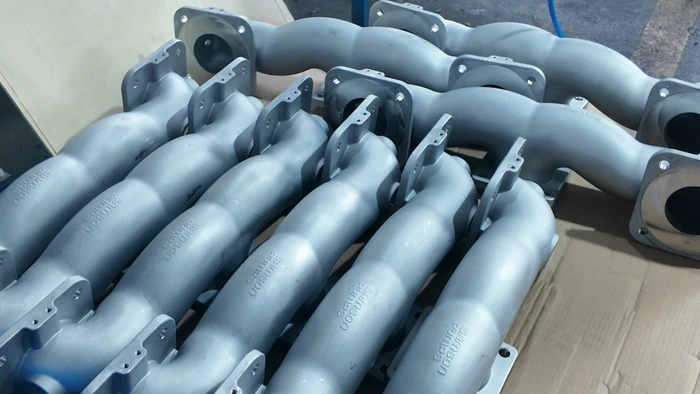
Metal casting forms a near-net-shape blank by pouring molten alloy into a prepared cavity and allowing it to solidify. The choice of casting route affects achievable geometry, surface condition, internal features, tooling investment and downstream machining. A low blank price does not necessarily mean a low finished-part cost.
Process and Design Choices
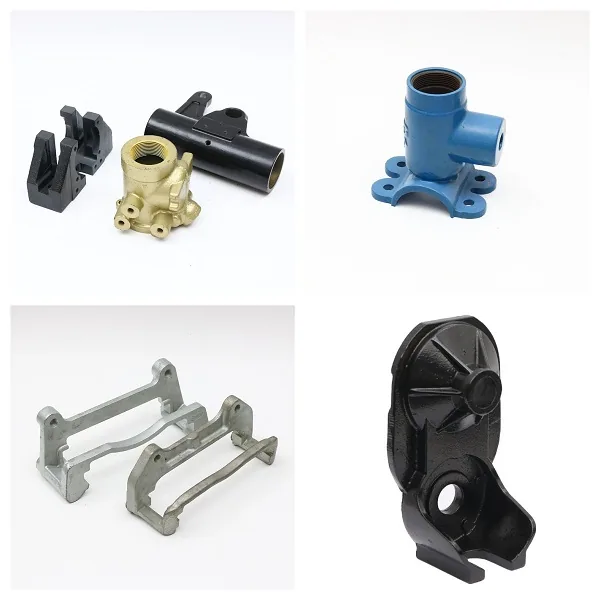
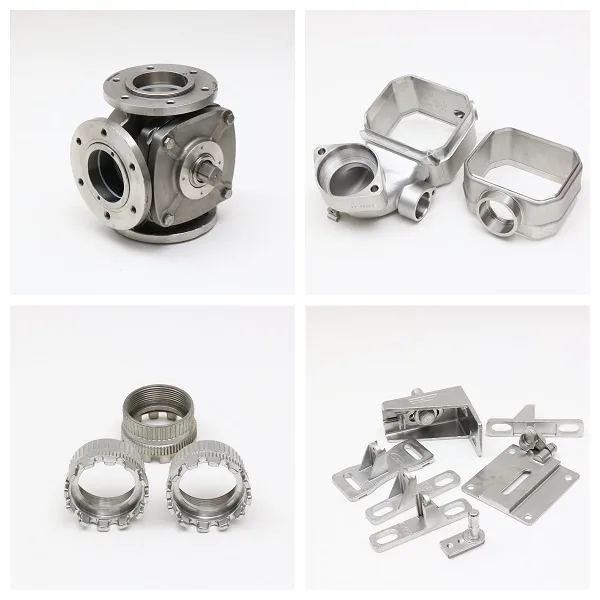
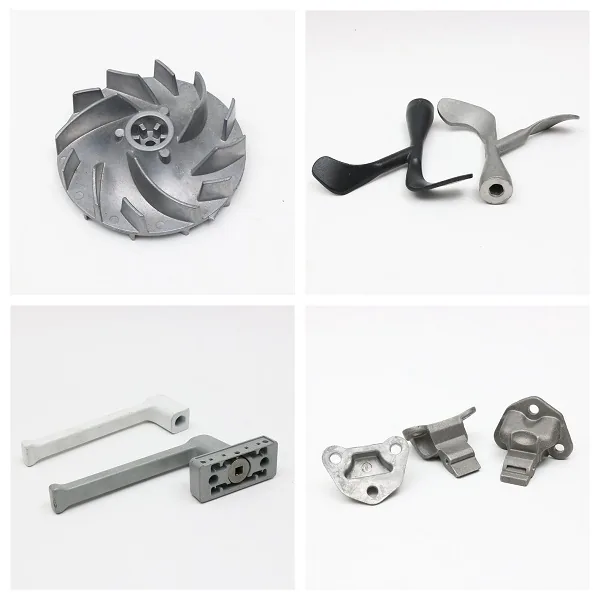
sand casting is often considered for larger sections and castings with cores or internal passages. Investment casting can help with more intricate features and finer as-cast surfaces. die casting can suit repetitive production when the alloy and tooling economics are appropriate. Alloy grade, annual demand, wall sections and inspection requirements must be evaluated together.
Common Problems and Risks
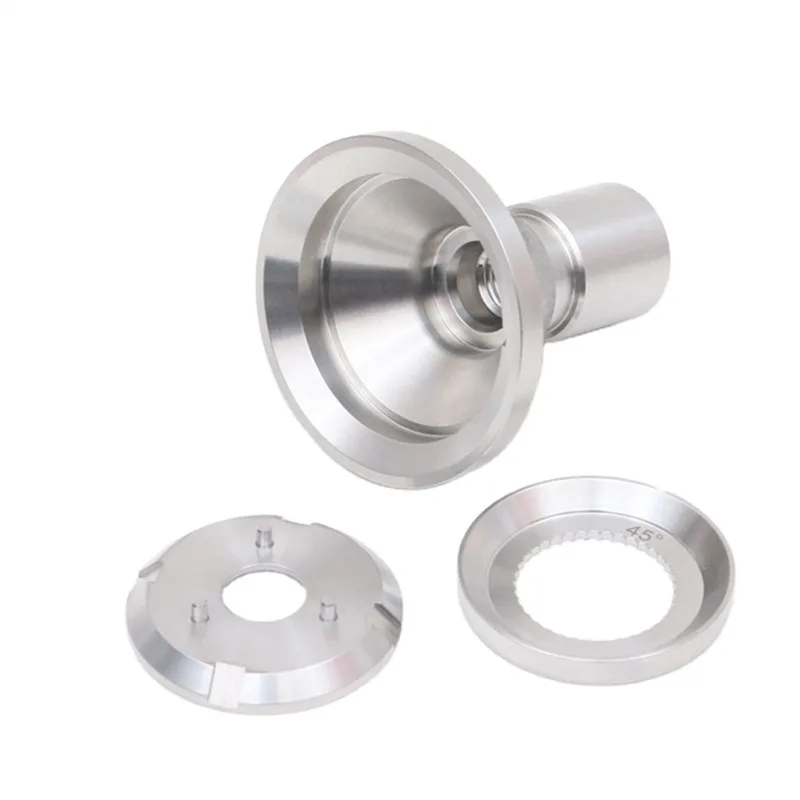
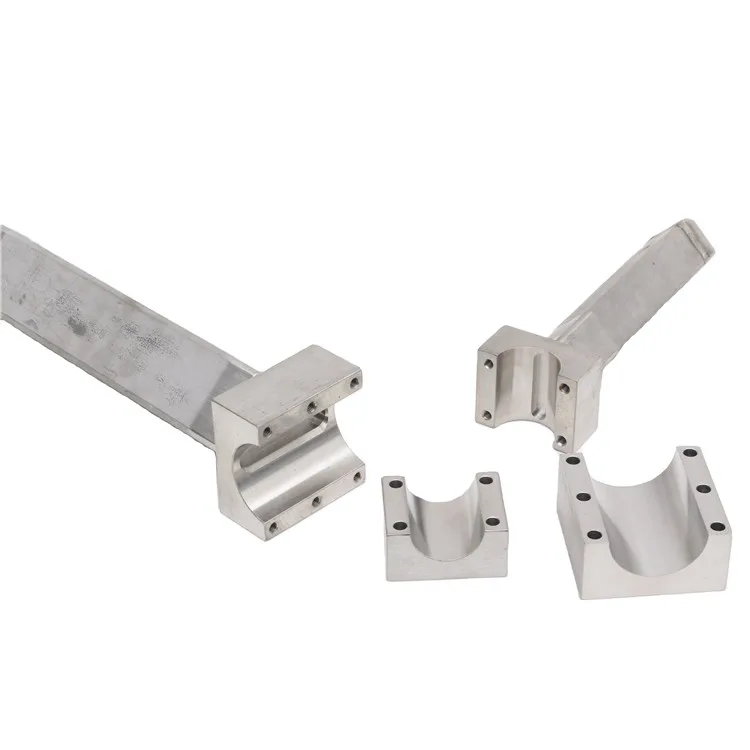
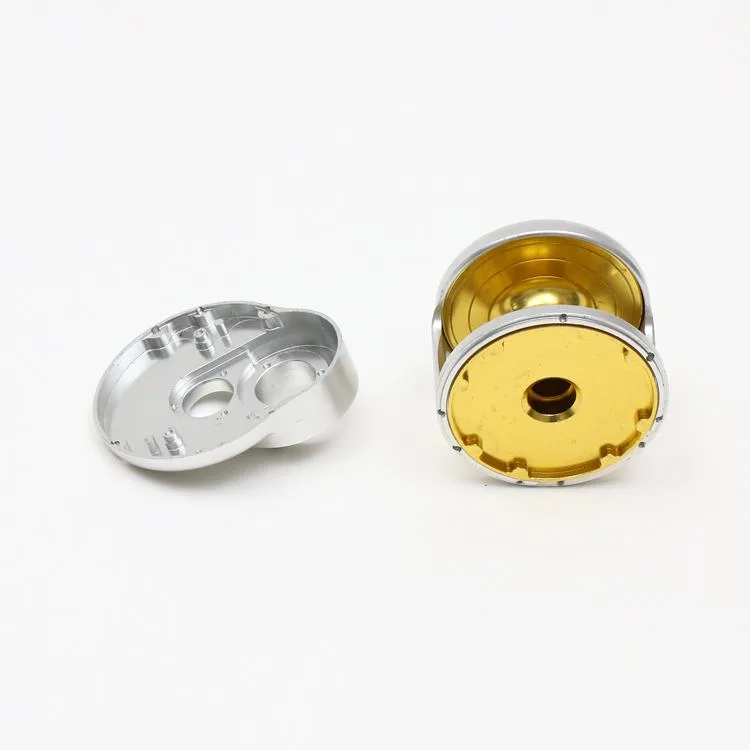
Not every feature visible in CAD should be left as-cast. Sealing faces, threaded holes, bearing seats and precise datums frequently require machining. Solidification behaviour, core design and parting lines also create design restrictions. Specifying unnecessary close tolerances across an entire casting can drive cost without adding functional value.
What to Specify and Check
Provide a 3D model, controlled drawing, material standard, target volume and clearly marked critical surfaces. Ask suppliers to separate casting, tooling, CNC finishing, coating and inspection in the quotation. Compare routes on the basis of the accepted finished component, not only the raw casting.
Illustrative Application (Not a Customer Case)
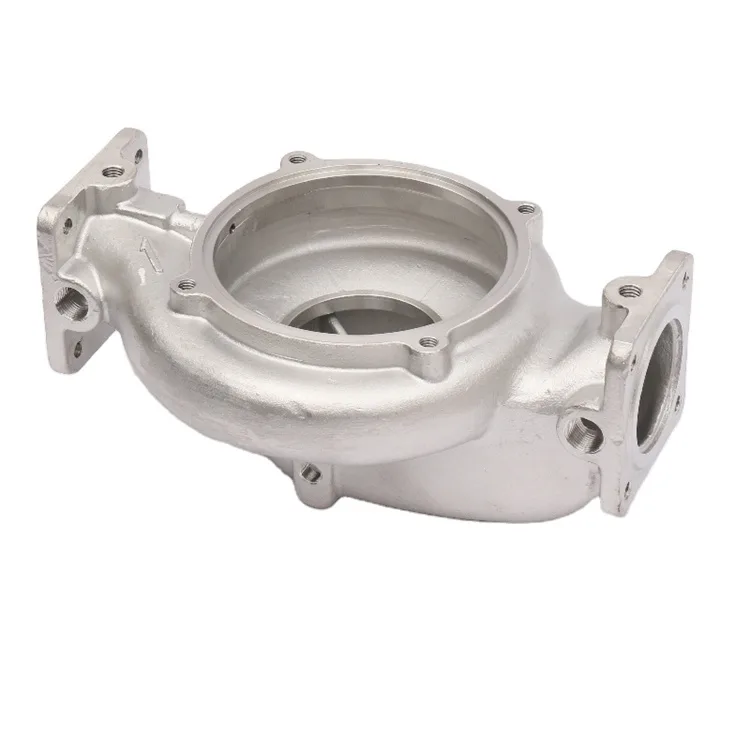
Take a pump casing with internal flow passages and a flange sealing face. Forming the passage can influence the casting route, but the sealing interface may still need CNC finishing. Separate casting and machining scope to compare total costs accurately.
Practical FAQ
FAQ: Does investment casting eliminate machining? No. It may reduce stock removal, but fit, thread, locating and sealing features must still meet the final drawing and may require machining.
Information for a Manufacturing Review
For a drawing-based custom component, provide the controlled 2D or 3D drawing, material specification, expected quantity, critical features and applicable inspection requirements. Final manufacturing and acceptance criteria should be agreed in the project documentation.