Engineering Context
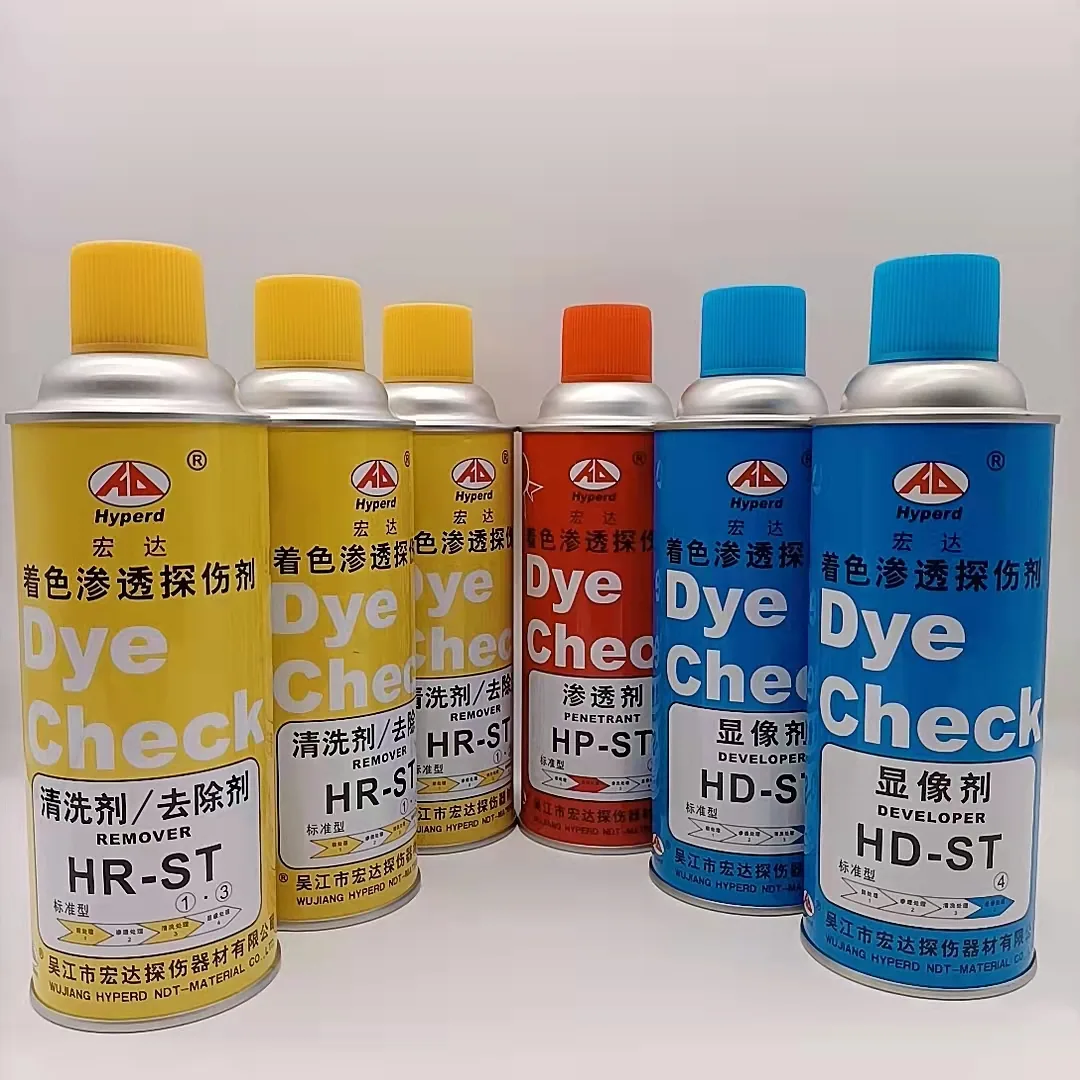
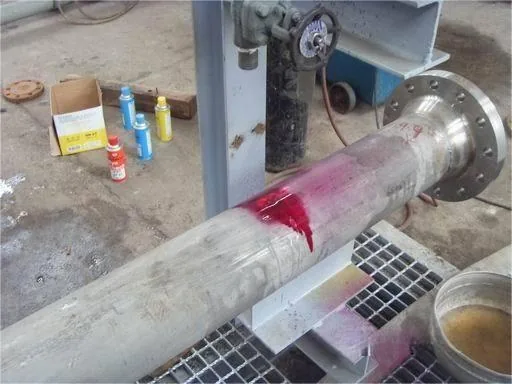
Liquid penetrant testing (PT) is a nondestructive method for detecting defects that open to the surface of suitable nonporous materials. Penetrant enters openings by capillary action. After excess liquid is removed, a developer helps reveal relevant indications such as surface-breaking cracks.
Process and Design Choices
A controlled procedure normally includes surface cleaning and drying, penetrant application, a specified dwell period, careful removal, developer application, examination and reporting. The exact times and lighting requirements must follow the chosen standard, procedure and test materials.
Common Problems and Risks
PT cannot confirm the absence of hidden internal flaws and does not directly establish defect depth. Rough, porous or coated surfaces may create misleading indications. Over-cleaning can also remove penetrant from a relevant opening and reduce sensitivity.
What to Specify and Check
The purchase specification should identify test standard, inspection area, stage, personnel qualification, acceptance criteria and required records. Critical components may need other NDT methods or functional tests according to their service risks.
Illustrative Application (Not a Customer Case)
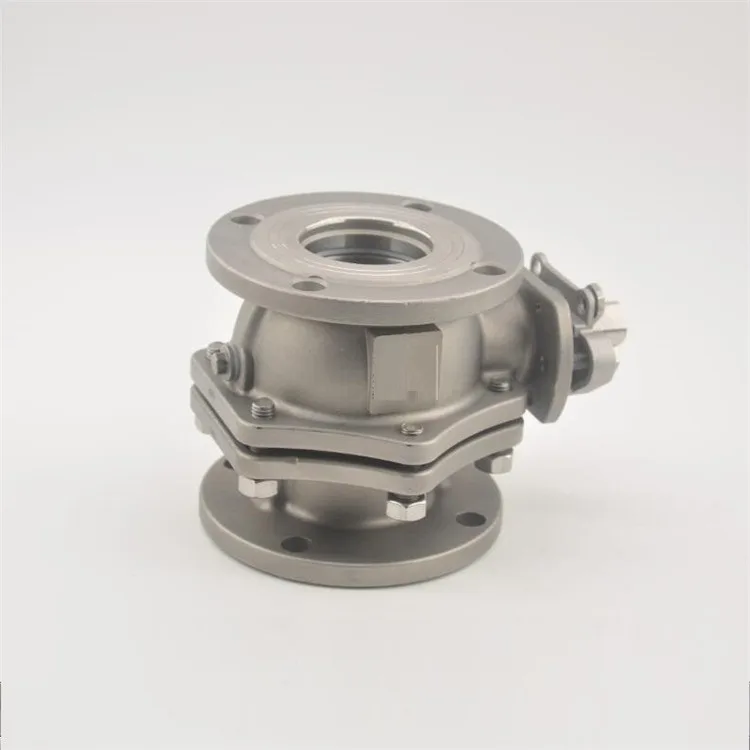
For a steel flange where surface-breaking cracks are the concern, PT may be considered. If the concern is hidden shrinkage or embedded defects, another examination method may be needed. The technique must match the defect type being controlled.
Practical FAQ
FAQ: Does a blank penetrant indication prove there are no cracks anywhere? No. Surface condition, procedure, sensitivity and whether a defect is surface-opening all affect detection.
Information for a Manufacturing Review
For a drawing-based custom component, provide the controlled 2D or 3D drawing, material specification, expected quantity, critical features and applicable inspection requirements. Final manufacturing and acceptance criteria should be agreed in the project documentation.