Engineering Context
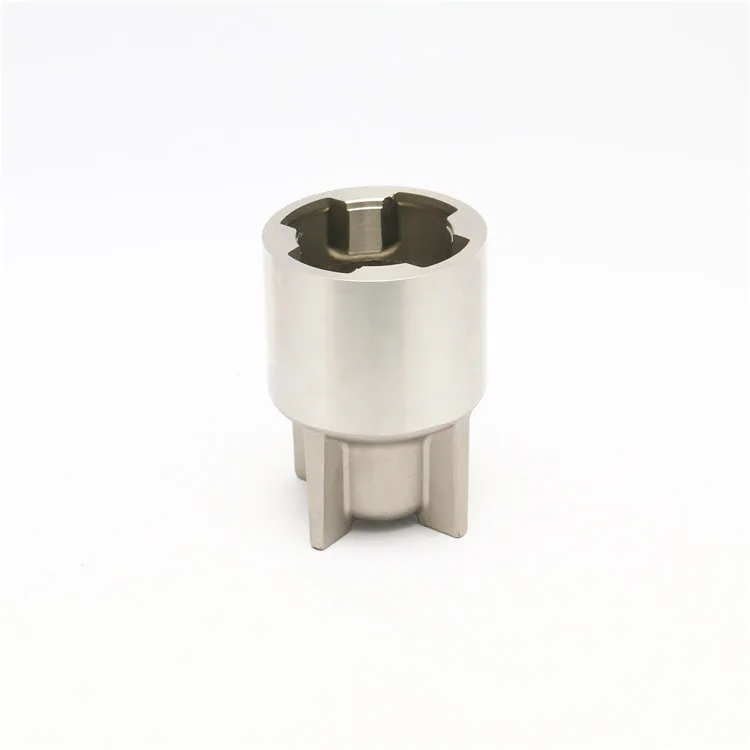
Material selection should start with how the component works, not the price per kilogram. Loads, operating temperature, corrosion exposure, mass, conductivity, weldability and planned finishing all influence a practical choice. The cheapest bar stock can lead to an expensive or unreliable finished part.
Process and Design Choices
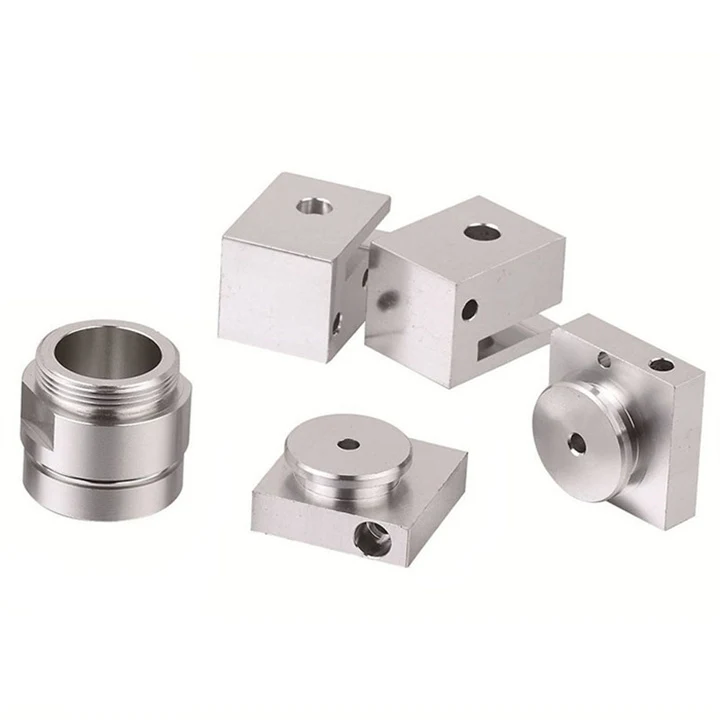
Carbon steels, alloy steels, stainless steels, aluminum alloys and copper alloys offer different combinations of properties and machinability. Aluminum can support weight reduction; steels may be selected for strength and heat-treatment options; stainless grades require attention to the actual corrosive environment rather than a generic "stainless" label.

Common Problems and Risks
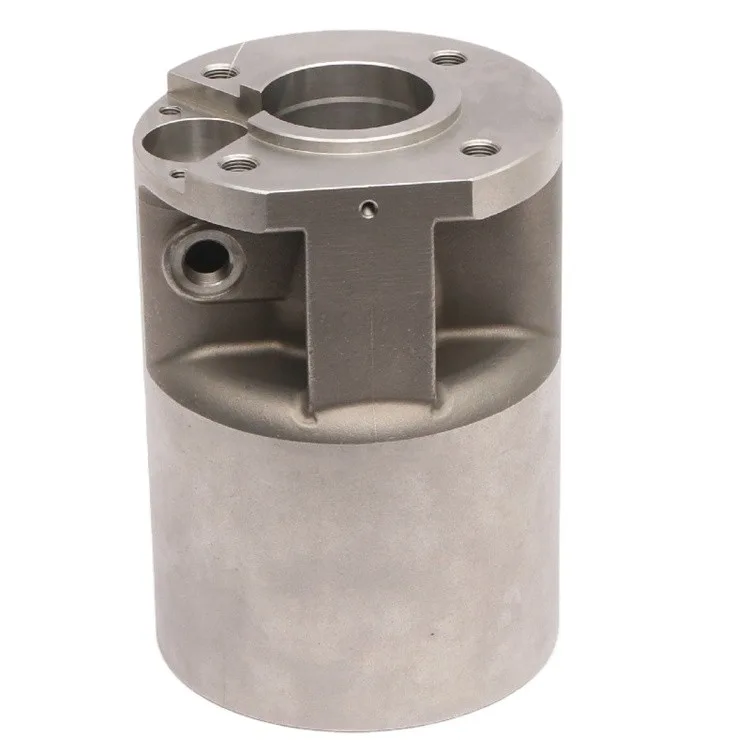
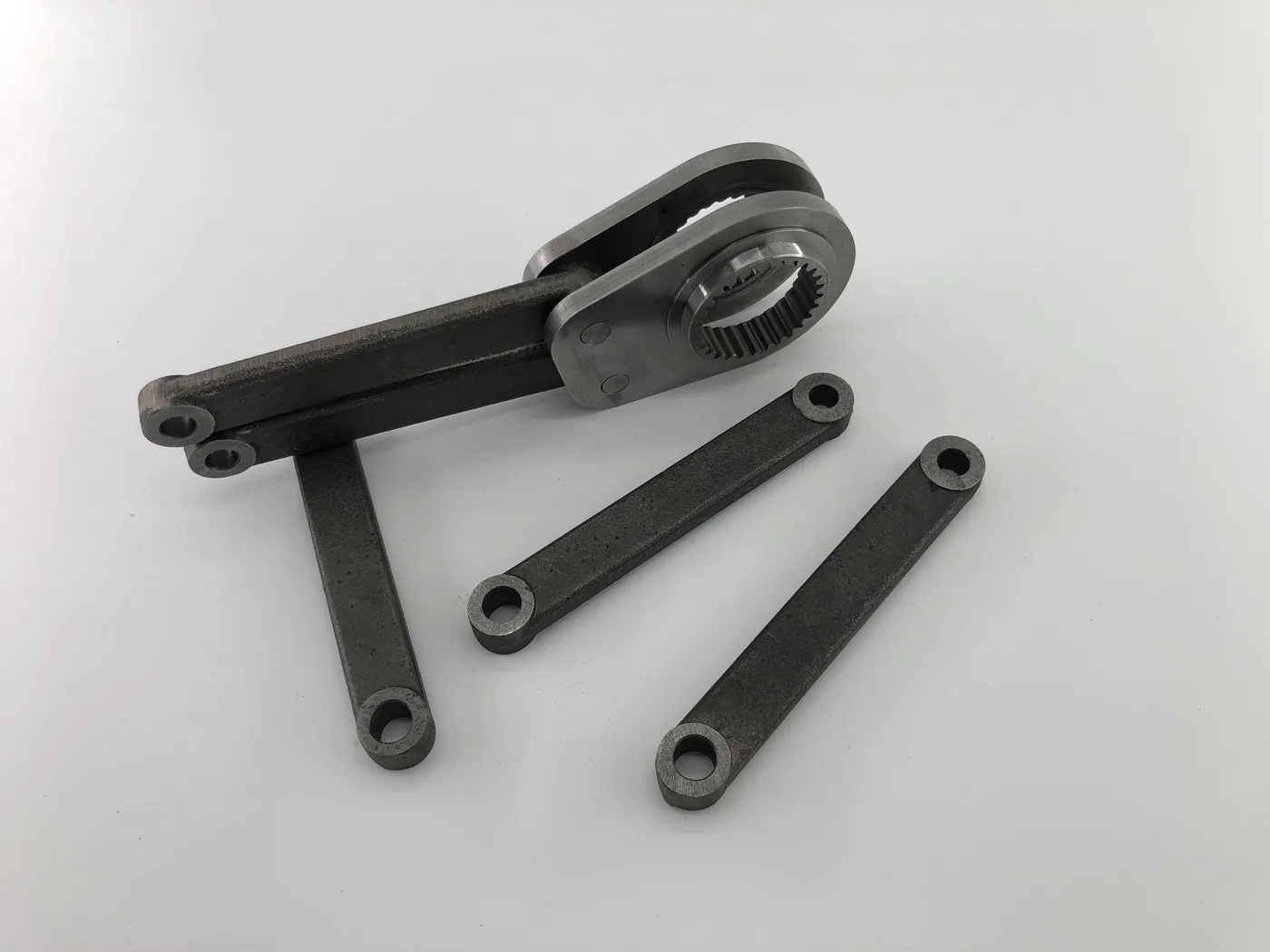
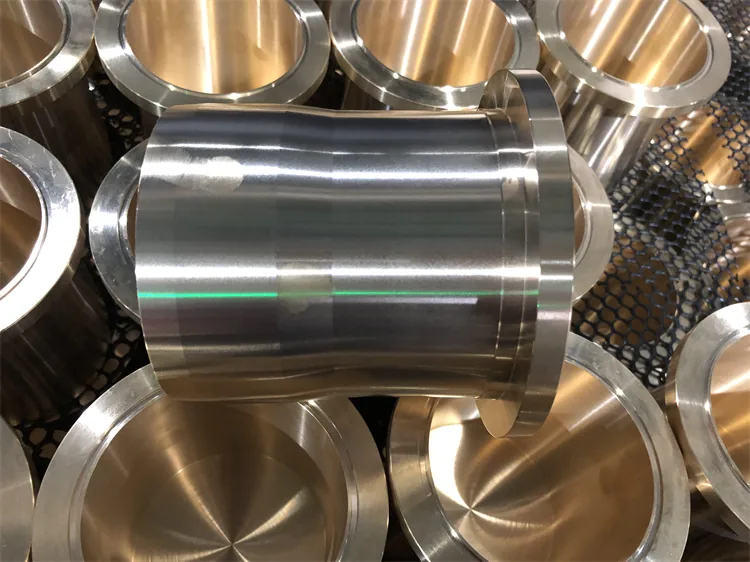
Supply condition matters. Cast, forged, plate and bar stock can behave differently during clamping, cutting and later treatment. Thin aluminum walls may distort; tough stainless grades can challenge chip control; hardenable steels may need rough machining before heat treatment.
What to Specify and Check
Specify a recognized material grade and condition on the drawing. Add service constraints, required properties and production volume. If substitutes are acceptable, obtain written engineering approval and compare total manufacturing cost, including tooling, cutting time, treatment and inspection.
Illustrative Application (Not a Customer Case)
A weight-sensitive support bracket may favour aluminum, while a connector subject to repeated impact needs closer examination of strength and fatigue behaviour. The same external shape does not imply the same correct alloy.
Practical FAQ
FAQ: Are all supply conditions of the same grade equivalent? No. Heat-treatment condition, stock form, production route and governing standard can materially change performance and machining.
Information for a Manufacturing Review
For a drawing-based custom component, provide the controlled 2D or 3D drawing, material specification, expected quantity, critical features and applicable inspection requirements. Final manufacturing and acceptance criteria should be agreed in the project documentation.