Engineering Context
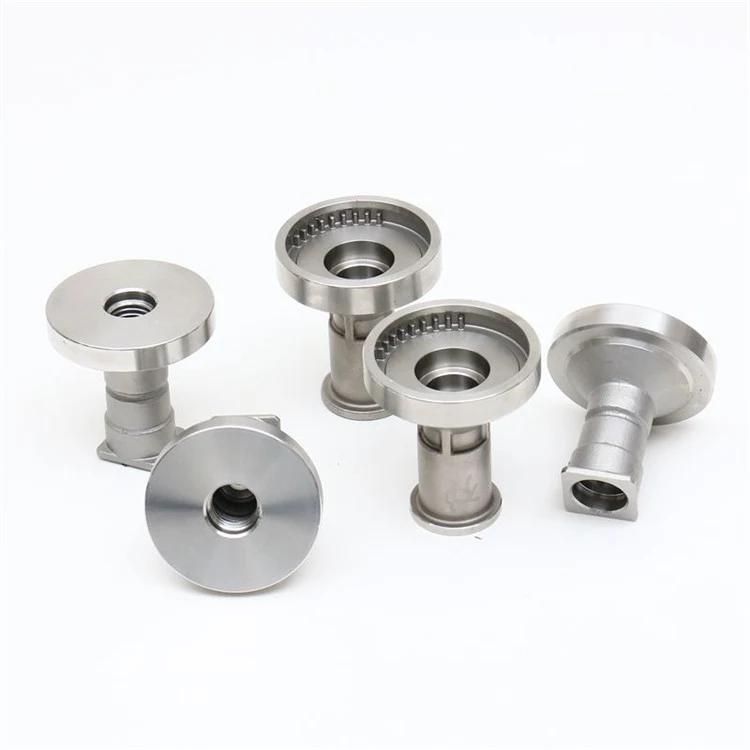
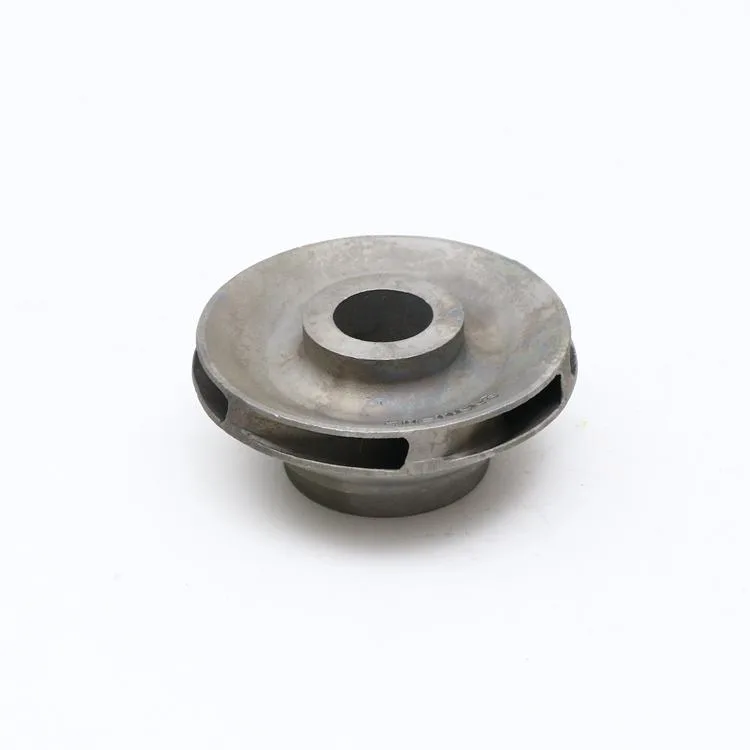
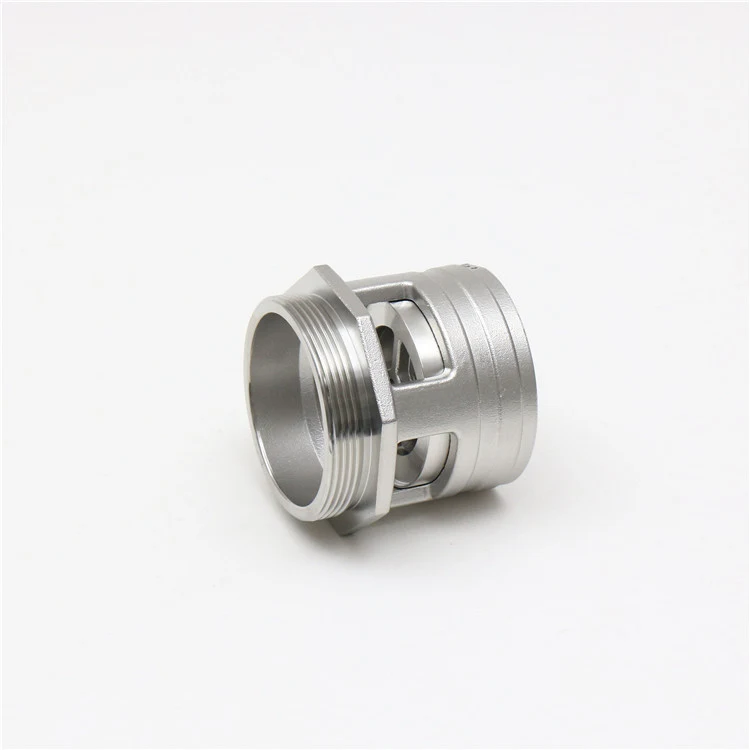
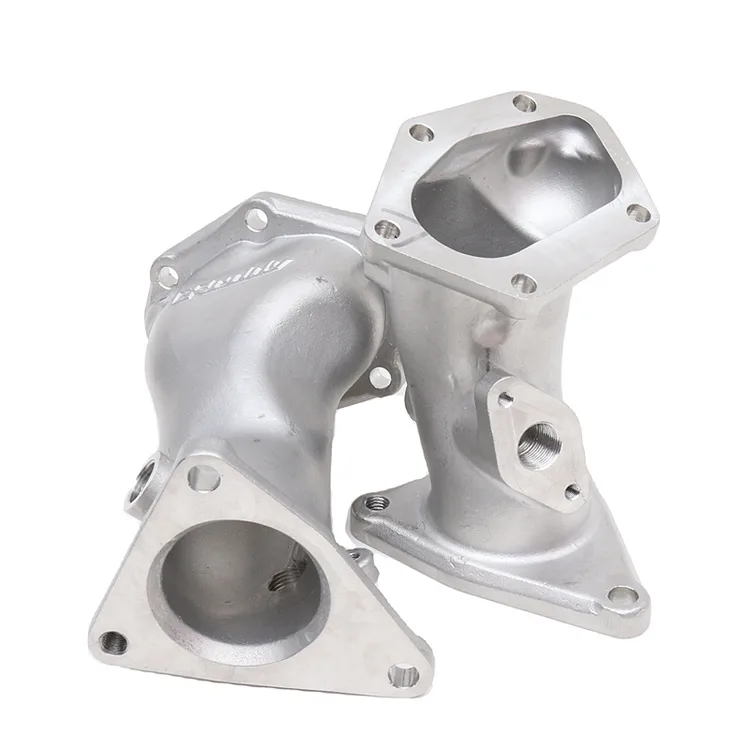
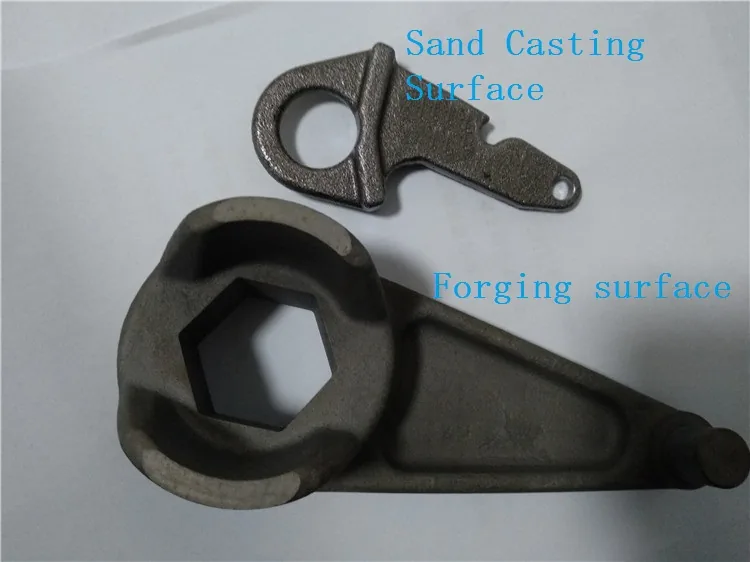
Casting and forging create metal blanks by fundamentally different mechanisms. Casting solidifies molten alloy in a mould and can accommodate complex internal passages. Forging plastically deforms solid metal and can help develop a material-flow structure suited to certain loading conditions. The better choice depends on function, geometry, alloy and volume.
Process and Design Choices
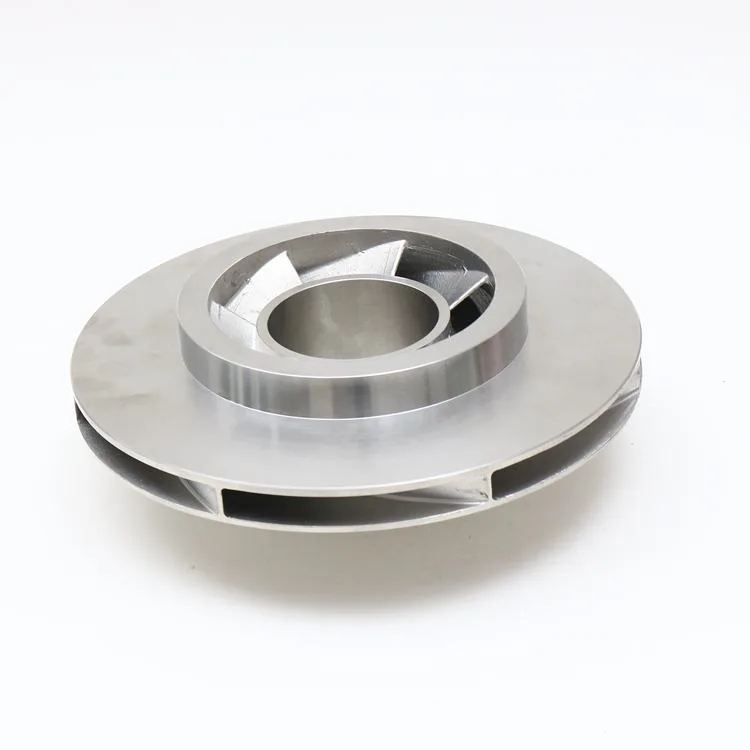
Castings may be attractive for pump and valve bodies with cavities or intricate passages. Forgings deserve attention for impact-loaded or cyclically loaded connectors. Neither process guarantees performance by its name alone: design, material, heat treatment, defects and CNC finishing all remain decisive.
Common Problems and Risks
Forgings can contain laps, cracks or other imperfections if the process is poorly controlled. Castings can also meet demanding specifications when the route and acceptance criteria are appropriate. A simple "forging is stronger" comparison may ignore wall thickness, load direction and total manufacturing cost.
What to Specify and Check
Provide service loads, material specification, annual demand, critical machined features and required tests. When both routes are plausible, compare tooling, blank yield, heat treatment, machining and accepted-part cost before selecting one.
Illustrative Application (Not a Customer Case)
A PTO yoke exposed to alternating loads may warrant a forging review, while a pump casing with complicated internal passages may favour casting. The two should not share a blank-making route simply because both are metal components.
Practical FAQ
FAQ: Will changing a casting to a forging automatically extend service life? No. Material, stress concentration, treatment, defects, finish machining and real loading still control performance.
Information for a Manufacturing Review
For a drawing-based custom component, provide the controlled 2D or 3D drawing, material specification, expected quantity, critical features and applicable inspection requirements. Final manufacturing and acceptance criteria should be agreed in the project documentation.