Engineering Context
A model that is easy to draw is not necessarily easy to manufacture. Design for manufacturing examines tool access, workholding, material stock, wall thickness, internal radii, hole depth and inspection from the beginning. For custom metal components, an early DFM review can prevent costly changes after tooling or programming.
Process and Design Choices
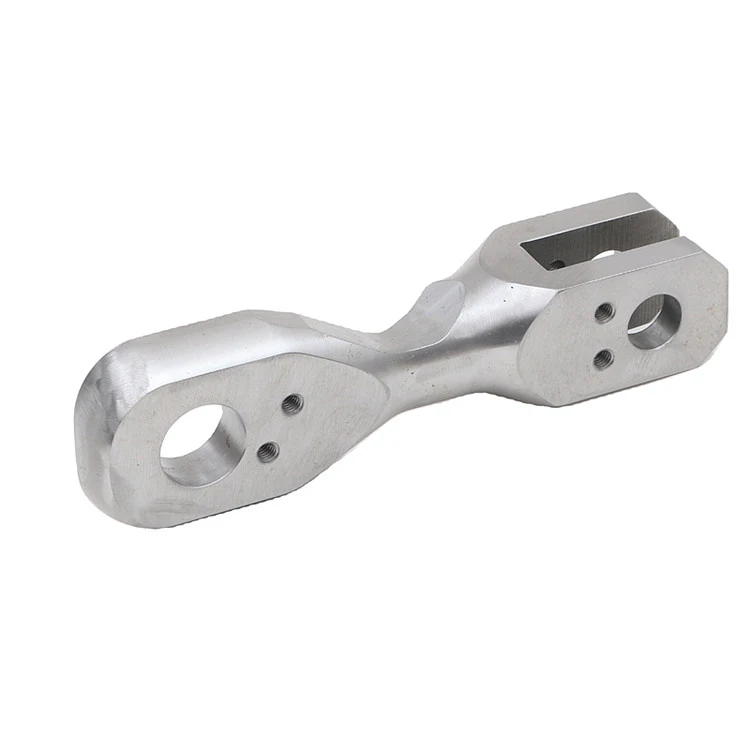
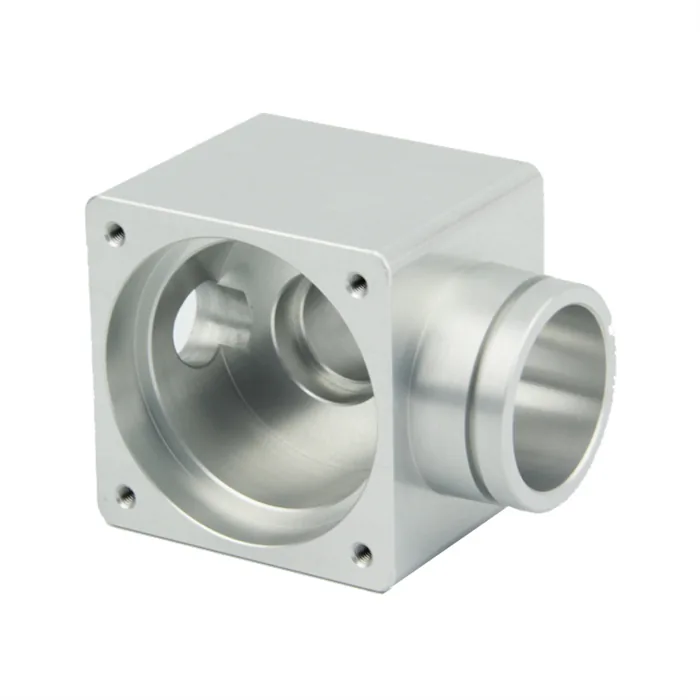
Use a clear datum system and put critical dimensions where they can be produced in stable setups. Deep narrow pockets limit tool rigidity; internal sharp corners may require reliefs or special operations; thin unsupported walls can distort. Cross-face hole patterns may force additional fixtures.
Common Problems and Risks
Blanket tight tolerances on nonfunctional features can turn an ordinary machining job into repeated finishing and intensive inspection. Define functional surfaces separately from cosmetic ones. Burr, edge-break and surface requirements deserve written acceptance criteria.
What to Specify and Check
Before quotation, ask for a manufacturability review covering process route, stock selection, setup count and difficult features. Any proposed design change should be approved and recorded against a specific drawing revision.
Illustrative Application (Not a Customer Case)
An extremely narrow deep pocket with sharp internal corners may be impractical for ordinary end mills. A permissible corner radius in a nonfunctional region can remove the need for special tooling, but any design change requires approval.
Practical FAQ
FAQ: Does DFM mean the supplier may alter the drawing freely? No. It identifies risks and alternatives; the design owner must approve changes under revision control.
Information for a Manufacturing Review
For a drawing-based custom component, provide the controlled 2D or 3D drawing, material specification, expected quantity, critical features and applicable inspection requirements. Final manufacturing and acceptance criteria should be agreed in the project documentation.