Engineering Context
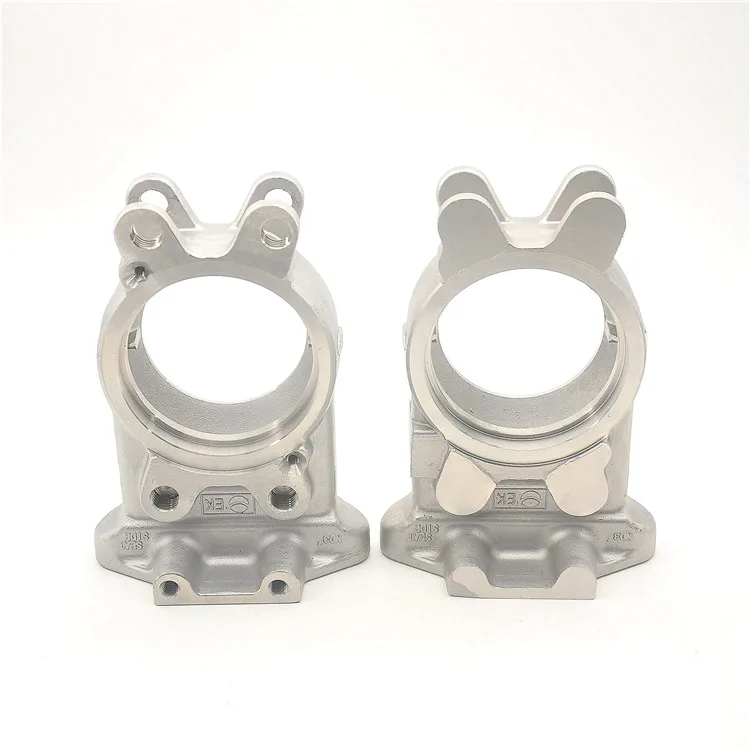
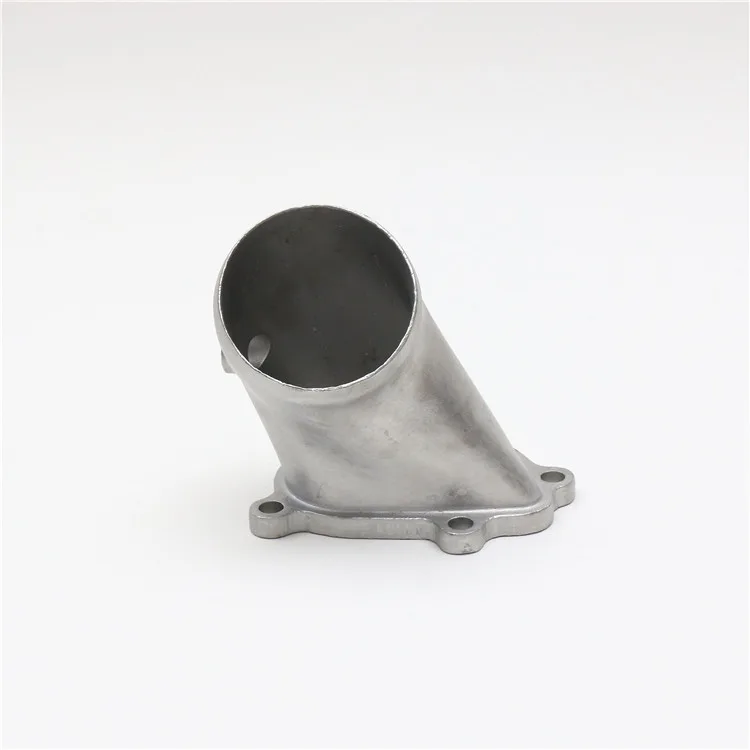
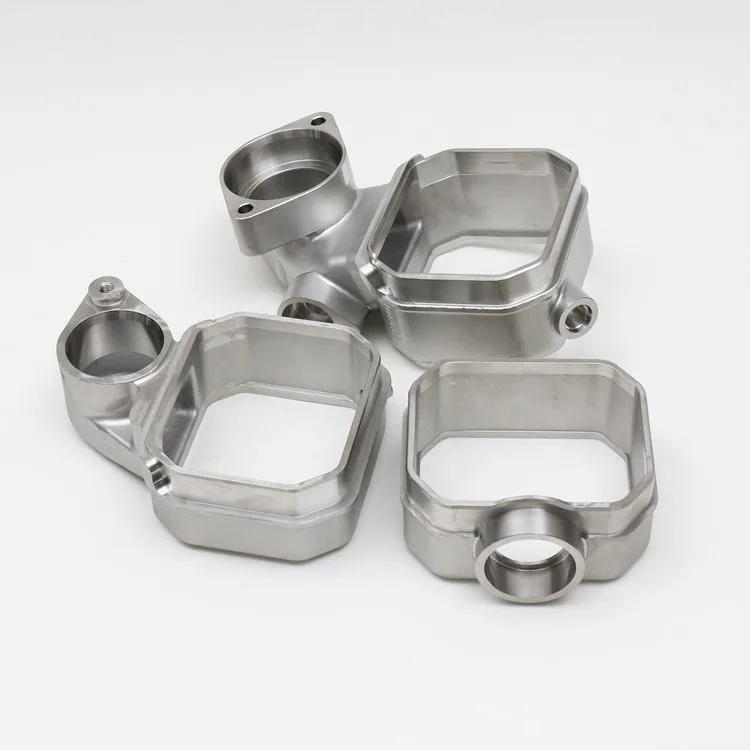
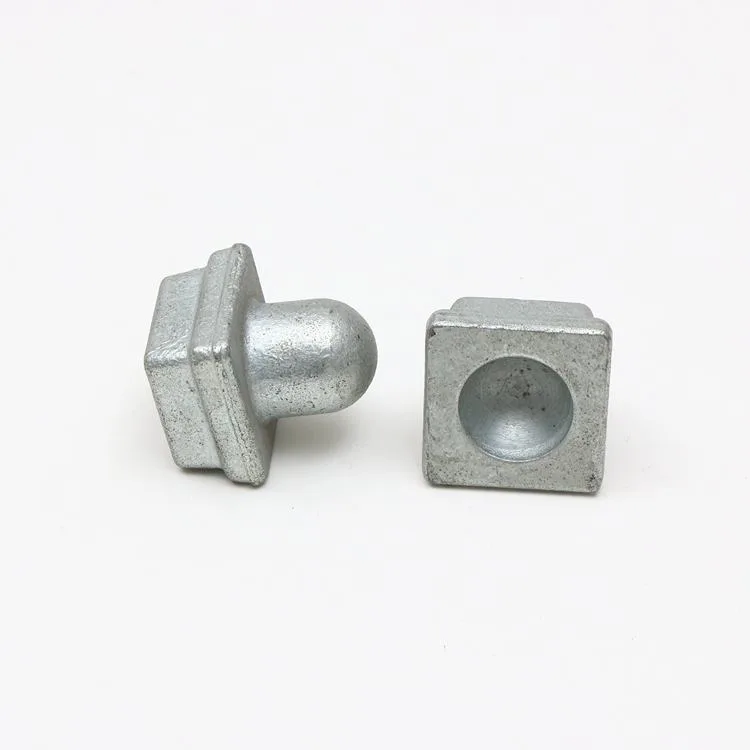
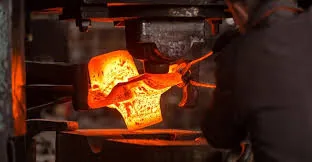
A forged blank passes through material verification, stock cutting, heating where required, preforming, forging, trimming and any specified heat treatment before final machining. Each stage affects geometry and condition. A good external appearance does not prove the internal quality of the forging.
Process and Design Choices
Billet weight, heating control and preform design should support the finished geometry and the expected load path. Controlled material flow reduces the risk of poor fill and certain forming defects. Machining allowance must be planned for bores, threads and critical faces before the die is approved.
Common Problems and Risks
Underfill, folds, cracks, decarburization and heat-treatment distortion are among the risks to manage. CNC machining can remove surface stock but cannot make every internal defect acceptable. Critical applications may require hardness, mechanical or nondestructive verification.
What to Specify and Check
The purchasing specification should include material grade, blank and finished drawings, heat-treatment condition, defect acceptance criteria and agreed records. Sample approval should validate both forging condition and the final machined interface.
Illustrative Application (Not a Customer Case)
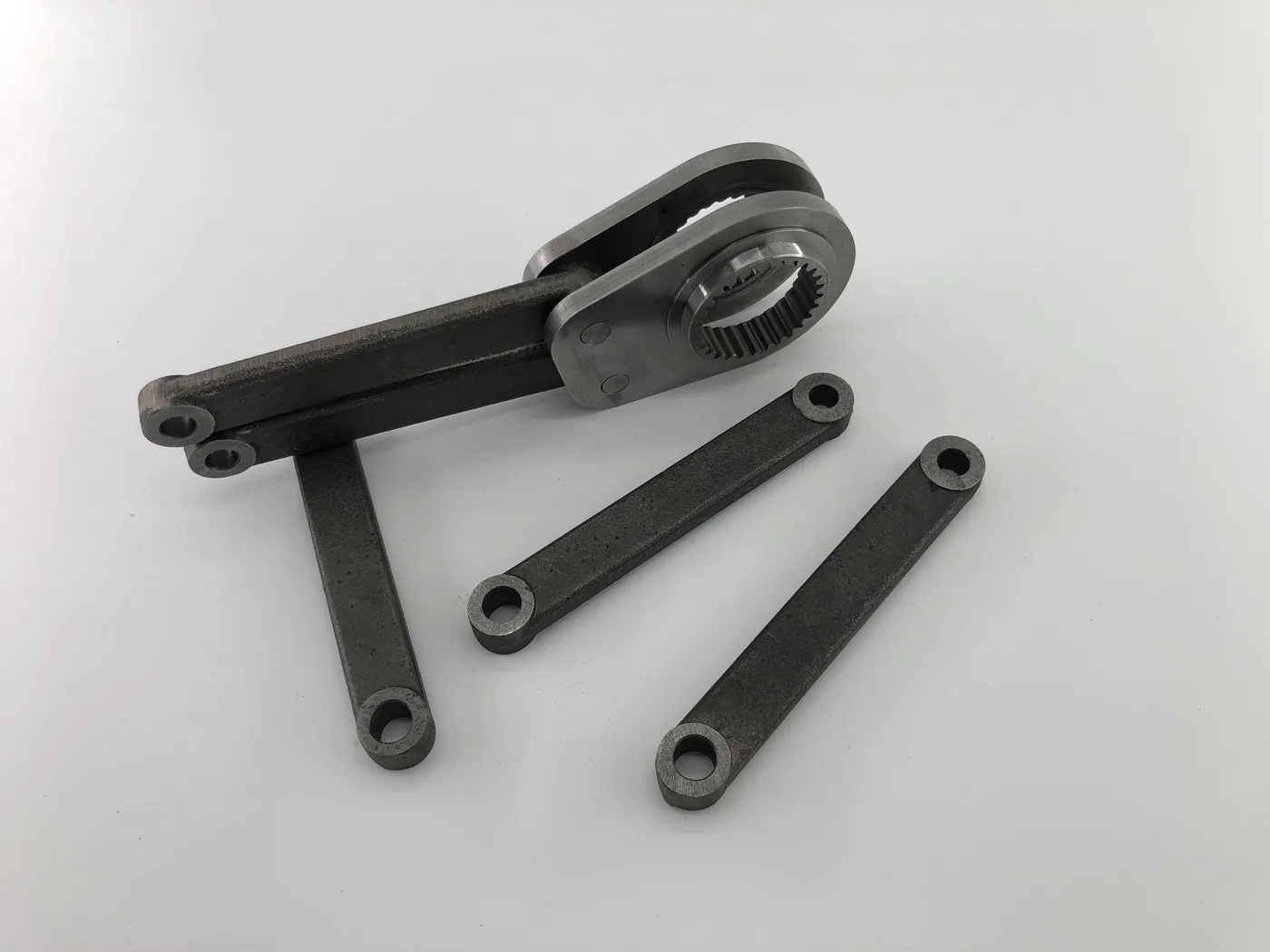
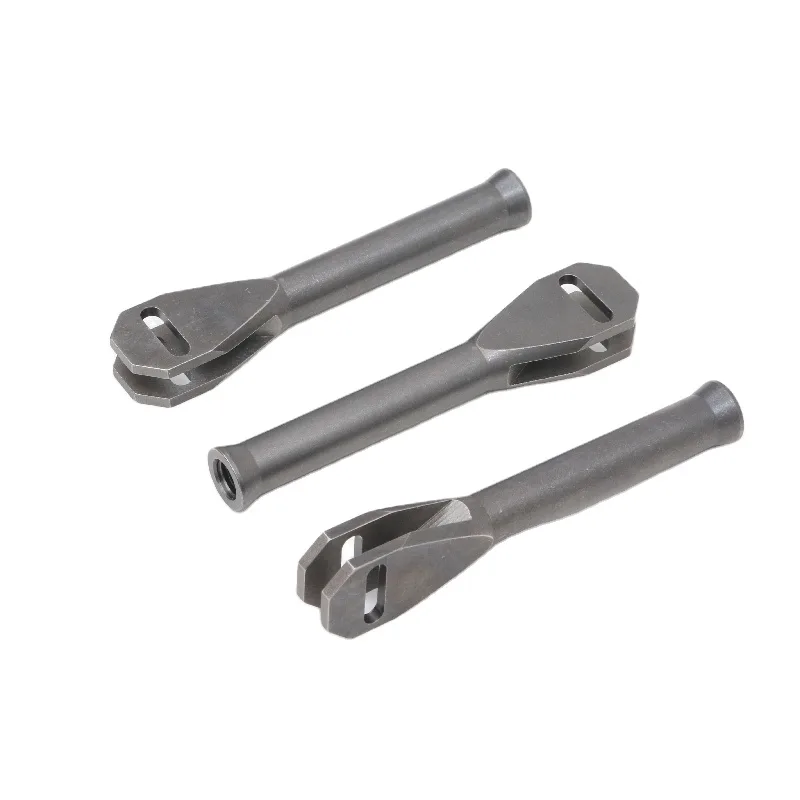
For an impact-loaded forged yoke, preforming, final material flow, corner geometry and subsequent heat treatment all influence the result. Comparing blank weight alone misses important quality and manufacturing considerations.
Practical FAQ
FAQ: Can a forging always go directly to finish machining? It depends on heat treatment, cleaning, dimensional condition and the approved process route.
Information for a Manufacturing Review
For a drawing-based custom component, provide the controlled 2D or 3D drawing, material specification, expected quantity, critical features and applicable inspection requirements. Final manufacturing and acceptance criteria should be agreed in the project documentation.