Engineering Context
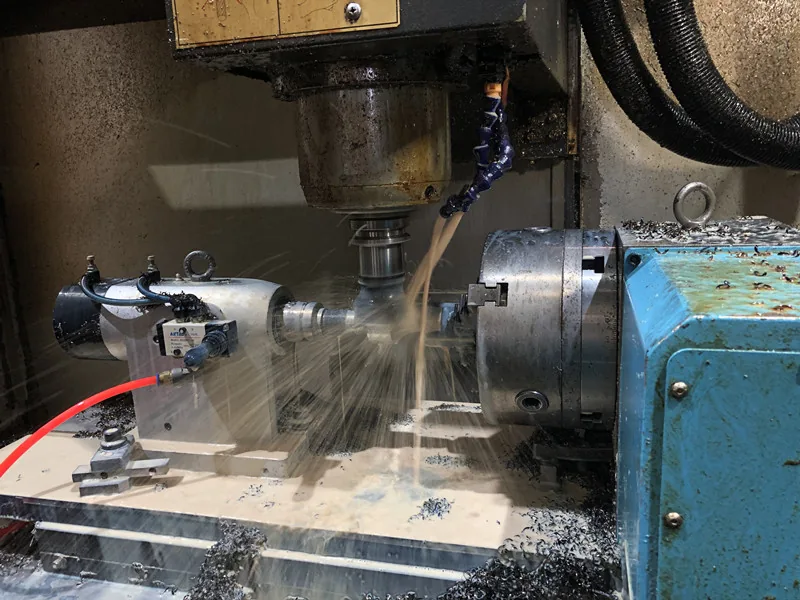
Cutting fluids help remove heat, reduce friction, carry chips away and provide some protection during machining. An unsuitable fluid can shorten tool life or leave staining, corrosion and residues that interfere with assembly or finishing. Selection must follow the alloy, cutting operation and cleanliness requirements.
Process and Design Choices
Aluminum, copper alloys, stainless steel and alloy steel present different cutting behaviours. Flood coolant, through-tool delivery or minimum-quantity lubrication may be considered according to the machine and tool system. Recirculating fluids also need routine control of concentration and cleanliness.
Common Problems and Risks
Poor maintenance can cause foaming, odour, reduced performance or deposits. Blind holes and internal cavities are especially vulnerable to trapped chips and coolant. Even dimensionally correct parts can create downstream trouble when cleaning is inadequate.
What to Specify and Check
Agree on finished-part cleanliness, acceptable surface condition and compatibility with heat treatment or coating. Where residues matter, specify the cleaning and drying approach and inspect critical internal features before packing.
Illustrative Application (Not a Customer Case)
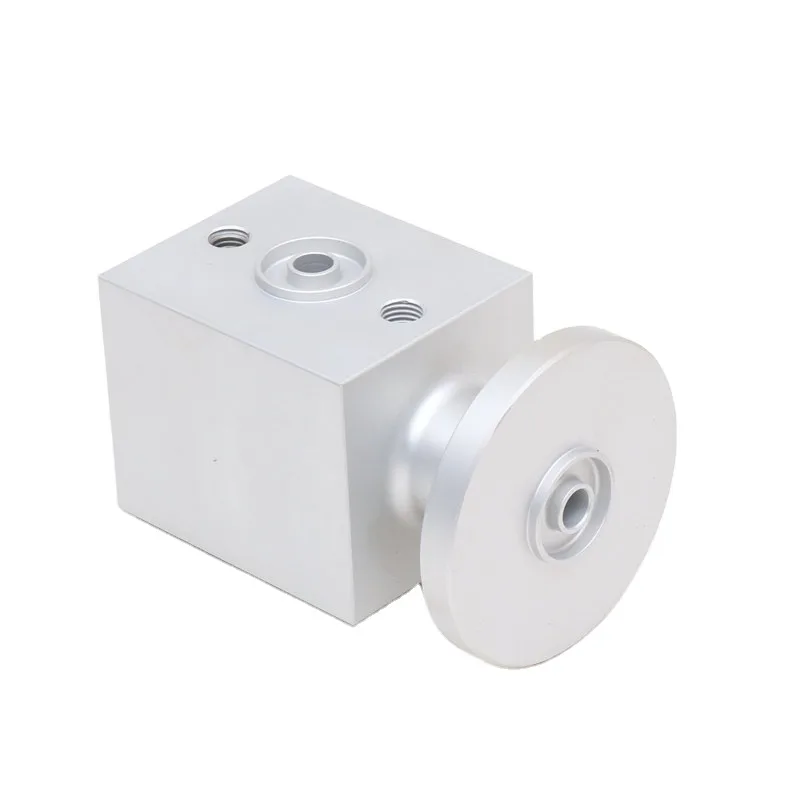
An aluminum part with deep blind holes may retain chips and fluid. Assembly can fail because of contamination even when the hole passes dimensional inspection. Cleaning and drying are therefore part of finished-part quality.
Practical FAQ
FAQ: Is cooling the only reason to use machining fluid? No. Lubrication, chip removal, material compatibility, residue control and maintenance are also important.
Information for a Manufacturing Review
For a drawing-based custom component, provide the controlled 2D or 3D drawing, material specification, expected quantity, critical features and applicable inspection requirements. Final manufacturing and acceptance criteria should be agreed in the project documentation.