Engineering Context
Anodizing creates a controlled oxide layer on suitable aluminum alloys. Depending on the process, it can improve corrosion performance, appearance and some surface-wear characteristics. Colour and coating behaviour vary with alloy chemistry and the original surface condition.
Process and Design Choices
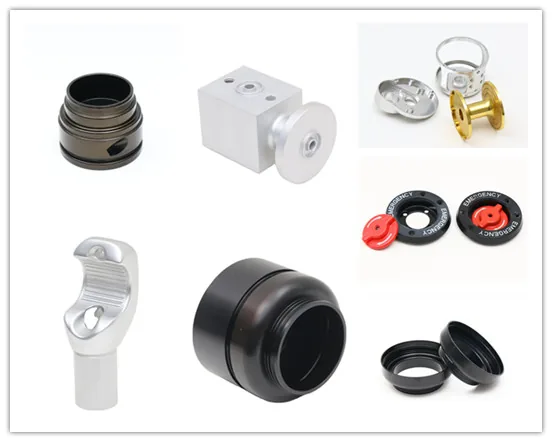
Engineering should distinguish ordinary decorative anodizing from a specified hard-anodizing treatment. Film thickness, sealing, colour and pre-treatment need to match the application. Machining marks and weld transitions may remain visible after finishing, so cosmetic surfaces should be reviewed before the parts are released for treatment.
Common Problems and Risks
An anodic film changes the final surface and may affect close-fitting holes, mating faces and threads. Masking or dimensional allowances may be needed. Different material batches can also show colour variation, making an approved sample more useful than an uncontrolled visual description.
What to Specify and Check
Call out alloy grade, anodizing specification, target thickness, colour sample, masked regions and acceptance criteria. For assembly-critical features, state whether dimensions apply before or after treatment. Confirm the final inspection method with the supplier.
Illustrative Application (Not a Customer Case)
On an anodized aluminum mounting plate, a threaded hole can become difficult to assemble if coating effects were ignored. Decide early whether threads are masked and whether thread gauges apply to the final coated condition.
Practical FAQ
FAQ: Why can colour vary after anodizing even when parts looked alike beforehand? Alloy variation, machining texture and pretreatment can affect appearance. Use approved samples and process controls.
Information for a Manufacturing Review
For a drawing-based custom component, provide the controlled 2D or 3D drawing, material specification, expected quantity, critical features and applicable inspection requirements. Final manufacturing and acceptance criteria should be agreed in the project documentation.