Description
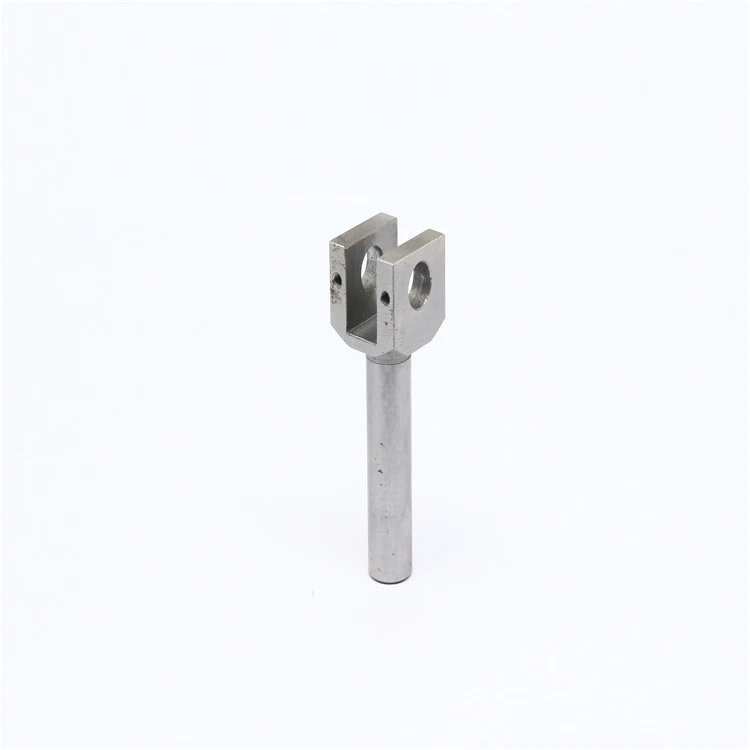
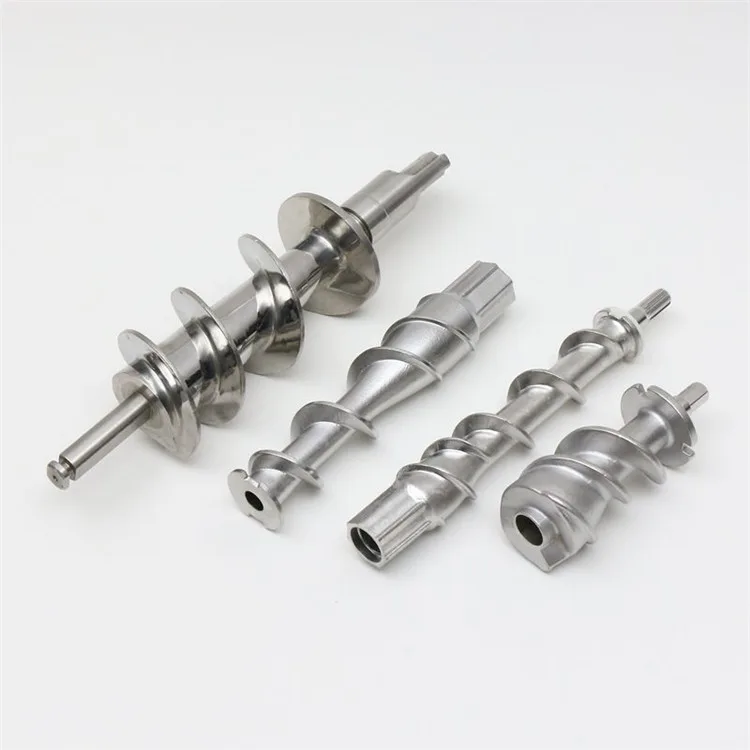
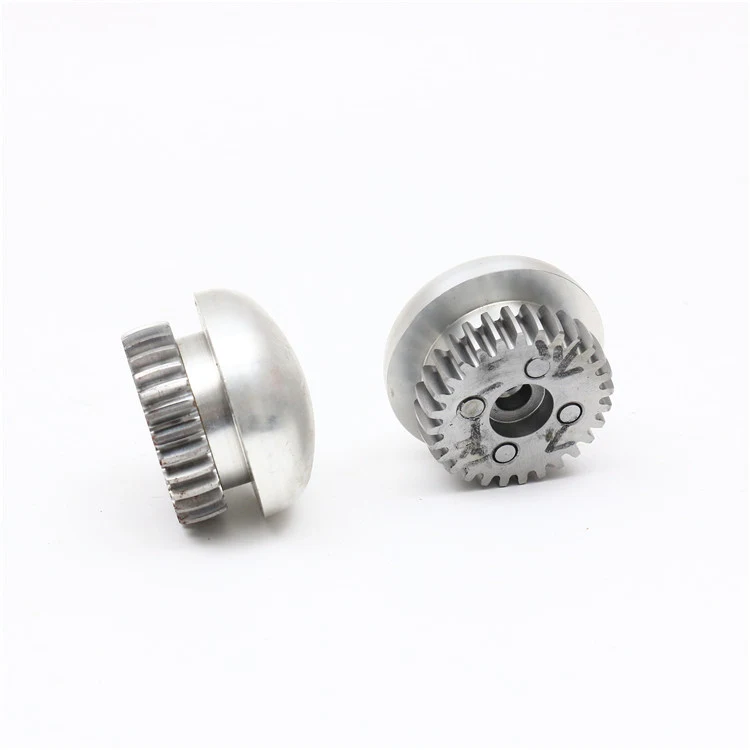
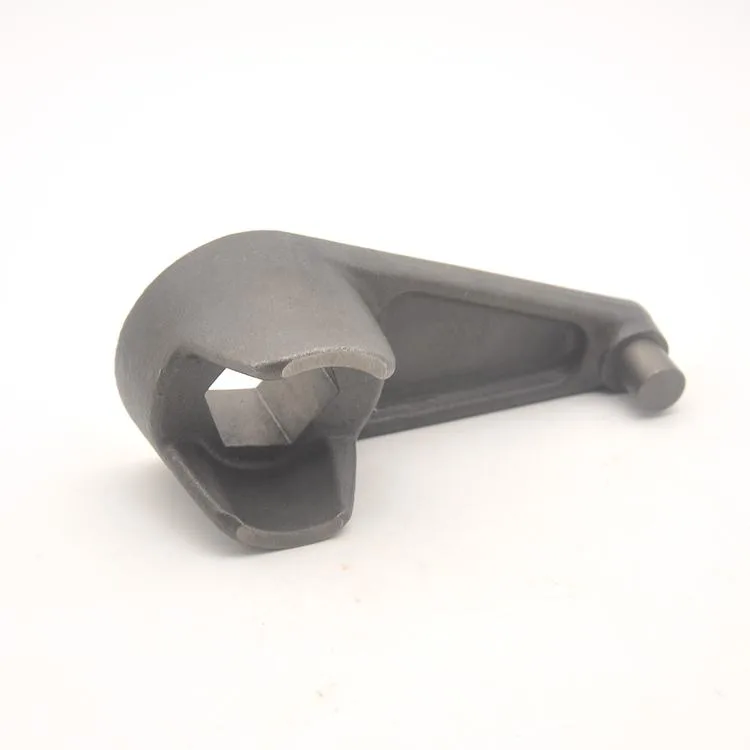
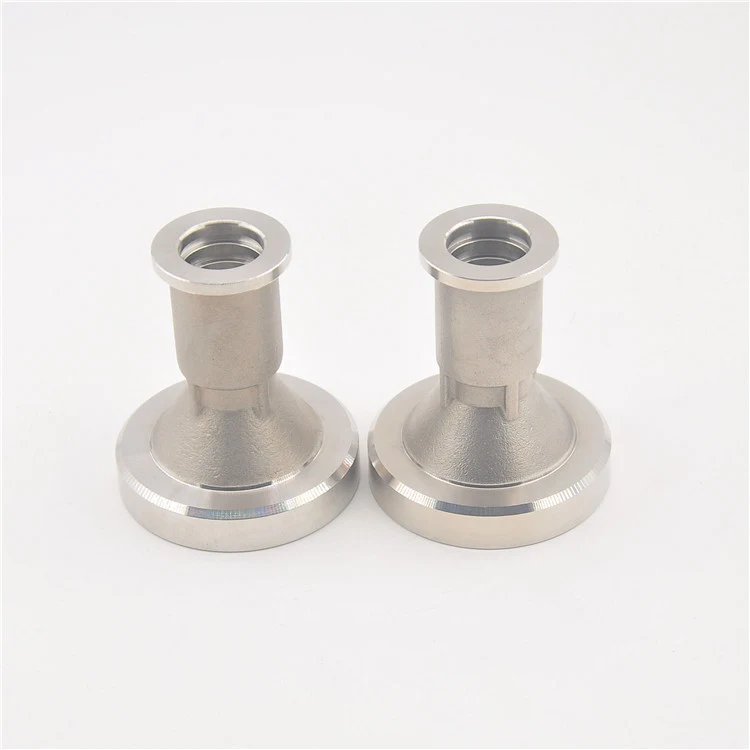
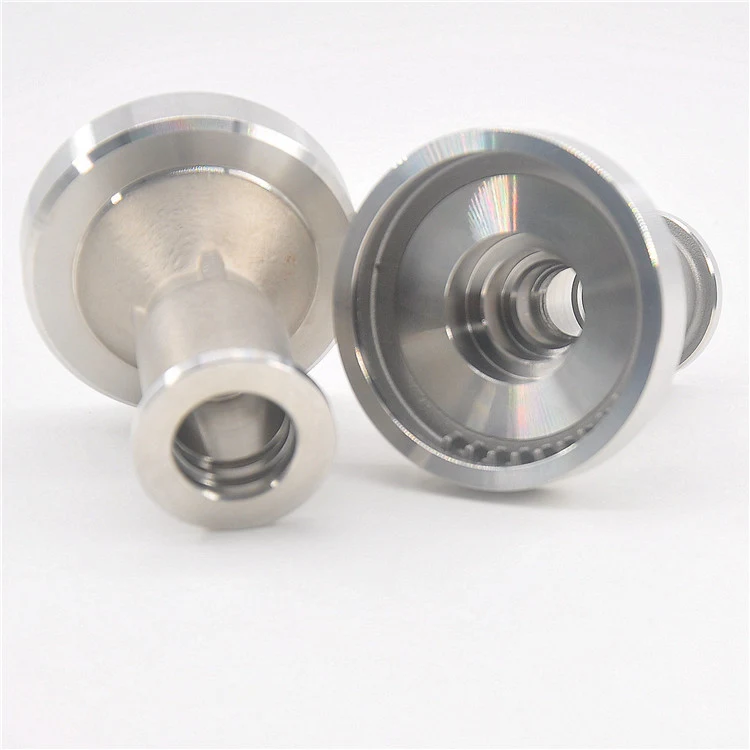
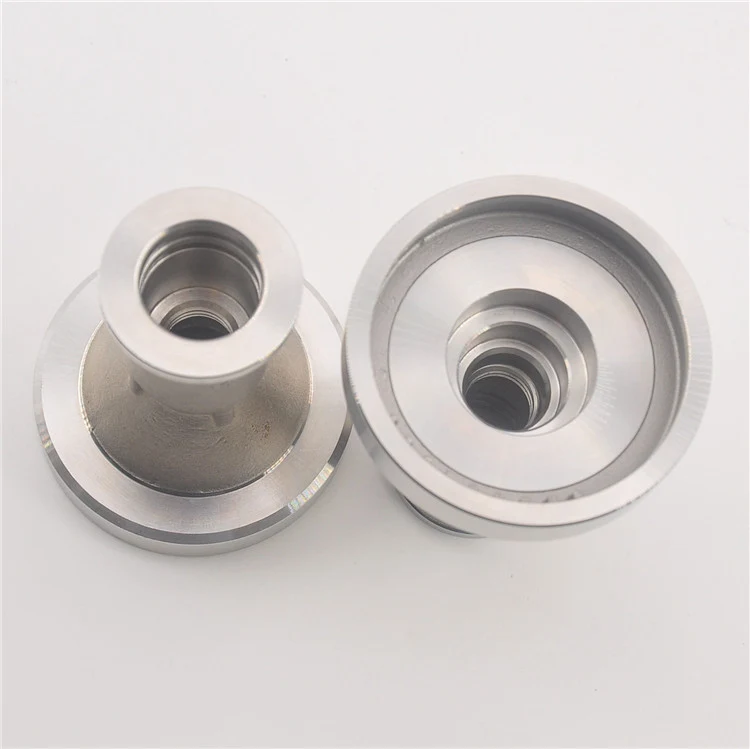
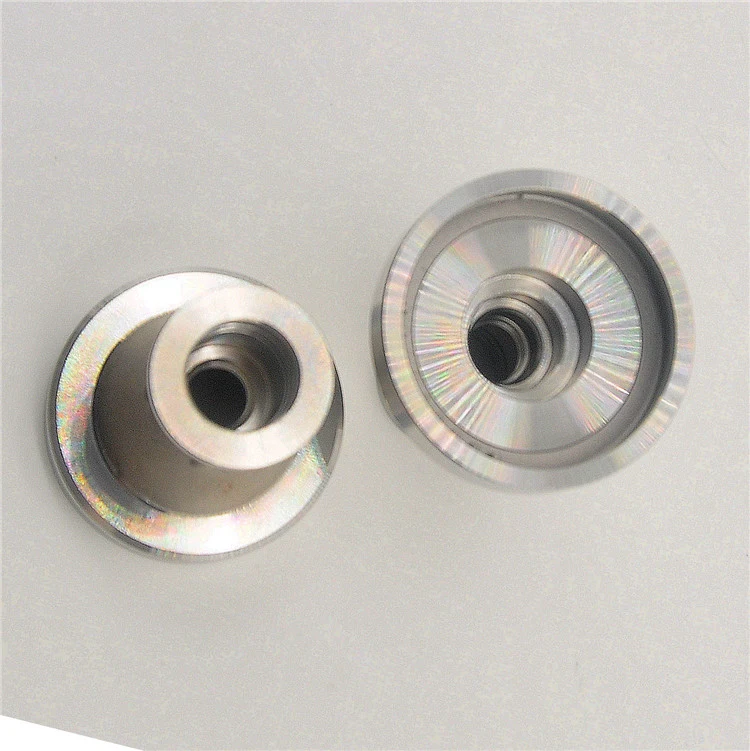
Turned stainless component with stepped flange features
The visible geometry is dominated by a turned cylindrical body, a stepped shoulder and a broad flange at one end. Parts like this are straightforward only when the bore, shoulder heights and flange face all reference the same axis; small runout errors can quickly show up during assembly.
Where machining attention goes
Most of the stock removal is rotational, followed by any secondary drilling or edge work. Stainless steel also benefits from clear surface-finish requirements on mating faces instead of applying one finish value to the entire part.
Fit points that deserve attention
Control the concentricity between the main bore, outer diameter and stepped shoulders.
Define flange thickness and any sealing or seating face as functional dimensions.
If the part is paired with another component, specify the mating diameter and required clearance or fit.
When you send the RFQ: Provide the material grade, critical diameters, bore details and installation drawing. If the component is used in a road-maintenance mechanism, the mating part information helps us check the stack-up before production.