Engineering Context
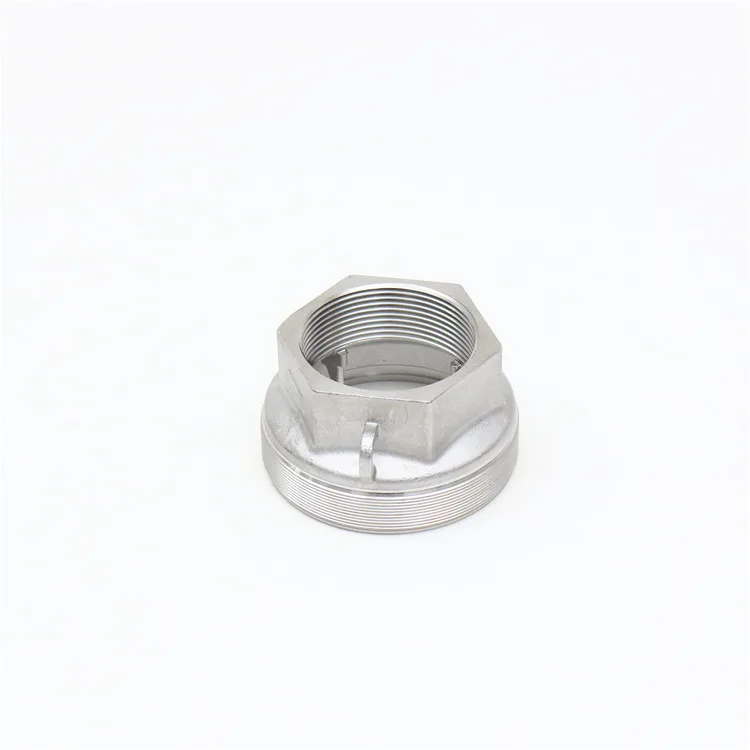
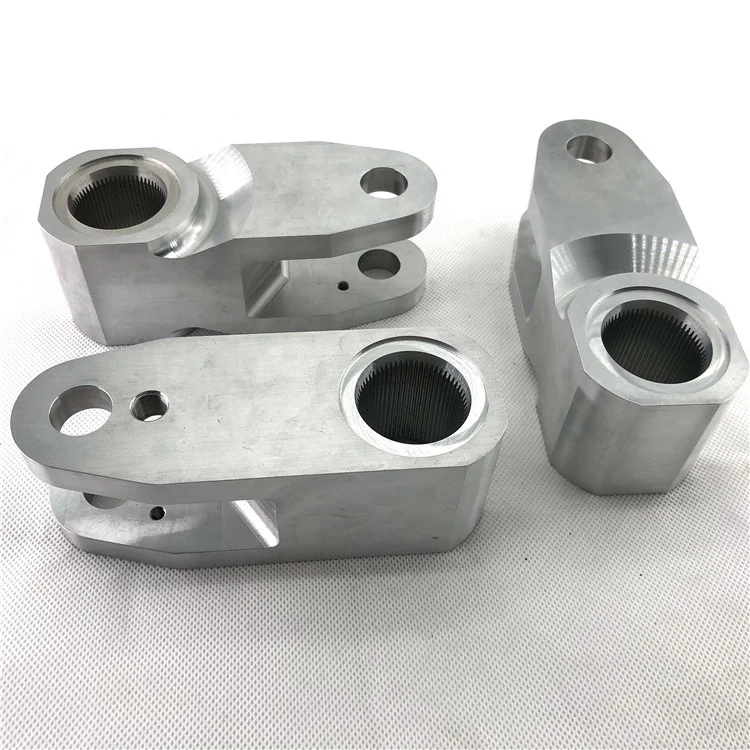
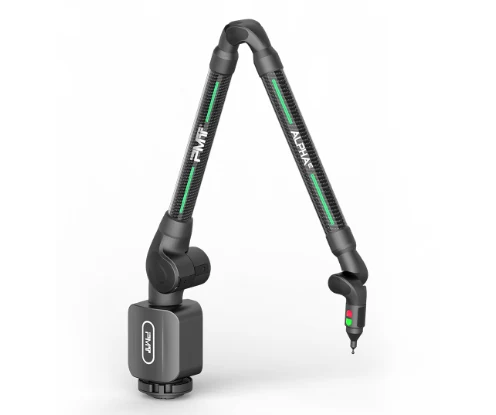
Large or awkward metal parts may be difficult to transfer repeatedly into a conventional metrology room. Portable measuring arms and other 3D measurement systems can help inspect hole locations, profiles and assembly relationships on the shop floor. Their suitability depends on the actual tolerance and equipment capability.
Process and Design Choices
Measurement planning includes part support, temperature, datum alignment, probe calibration and point strategy. Portable and fixed CMM systems differ in measurement volume and uncertainty. Very close geometric tolerances require special attention to the environment and verification method.
Common Problems and Risks
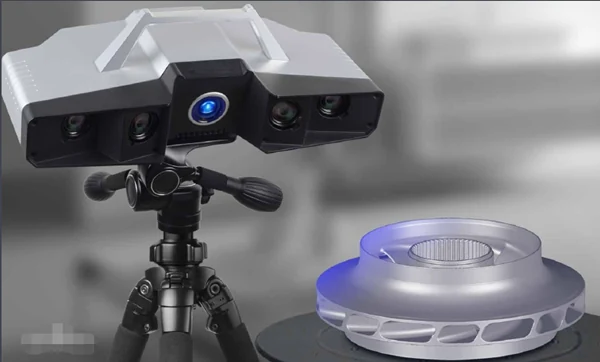
Measurement results can change when support points move or a large part reaches a different temperature. Incorrect datum fitting and too few measurement points also create misleading reports. A colourful 3D output is not a substitute for a controlled inspection method.
What to Specify and Check
Mark critical datums and dimensions on the drawing and agree on instrument type and report format. For important locating holes or fitted features, combine CMM results with suitable gauges or independent verification when needed.
Illustrative Application (Not a Customer Case)
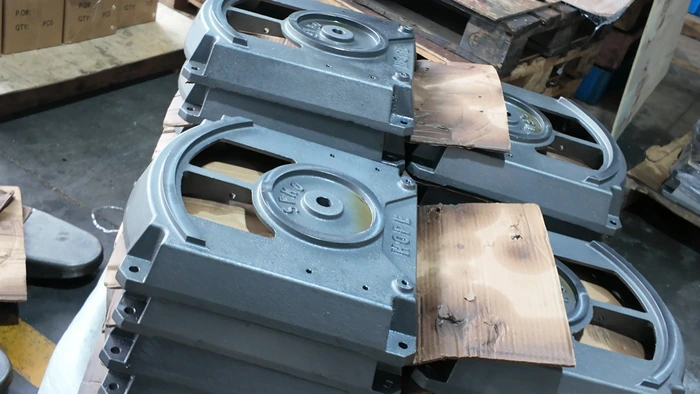
A large cast housing with several mounting-hole locations can give different results when supported differently. Before portable measurement, define support points and how the coordinate system is established on the actual component.
Practical FAQ
FAQ: Can a portable measuring system always replace a fixed CMM? No. Choose by measurement volume, shop conditions, tolerance and demonstrated measurement uncertainty.
Information for a Manufacturing Review
For a drawing-based custom component, provide the controlled 2D or 3D drawing, material specification, expected quantity, critical features and applicable inspection requirements. Final manufacturing and acceptance criteria should be agreed in the project documentation.