Engineering Context
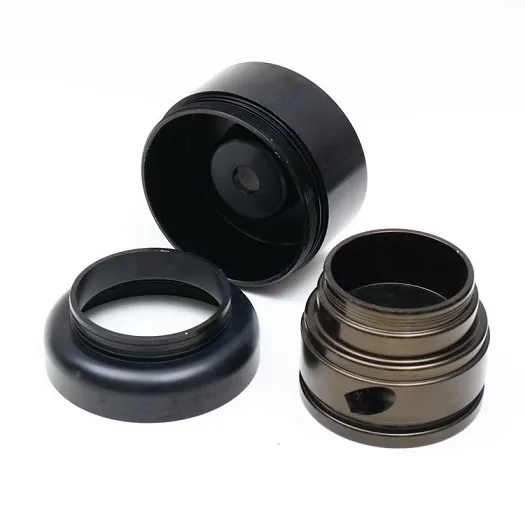
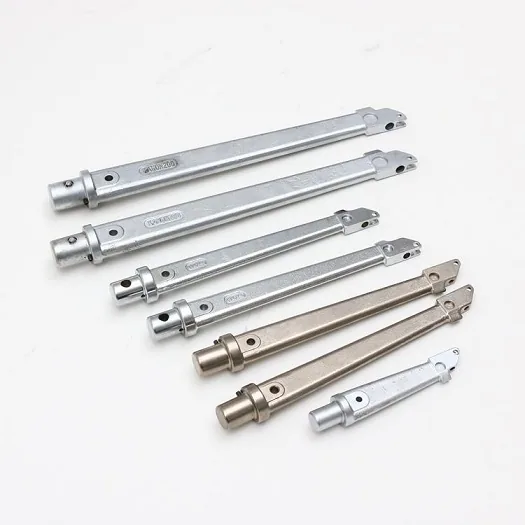
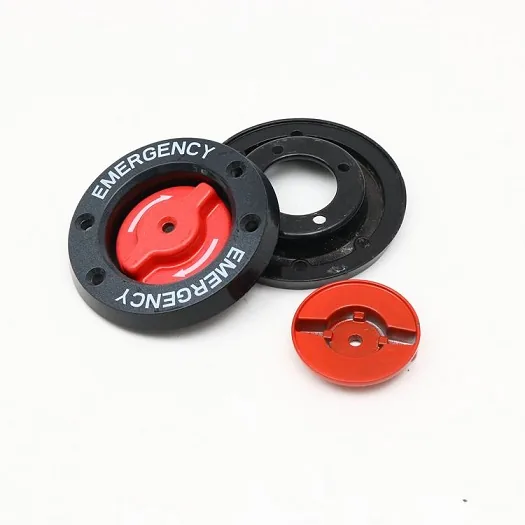
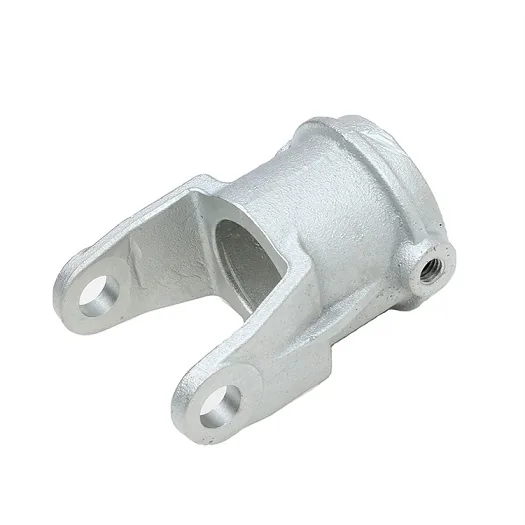
Surface finishing influences corrosion resistance, appearance, wear behaviour and the condition of parts in storage and transport. Common options include black oxide, zinc and nickel plating, anodizing, passivation, phosphating, polishing and painting. A finish should be specified by material and service conditions, not by appearance alone.
Process and Design Choices
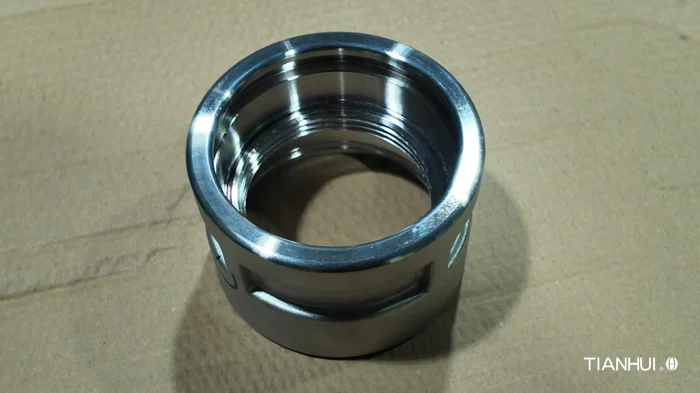
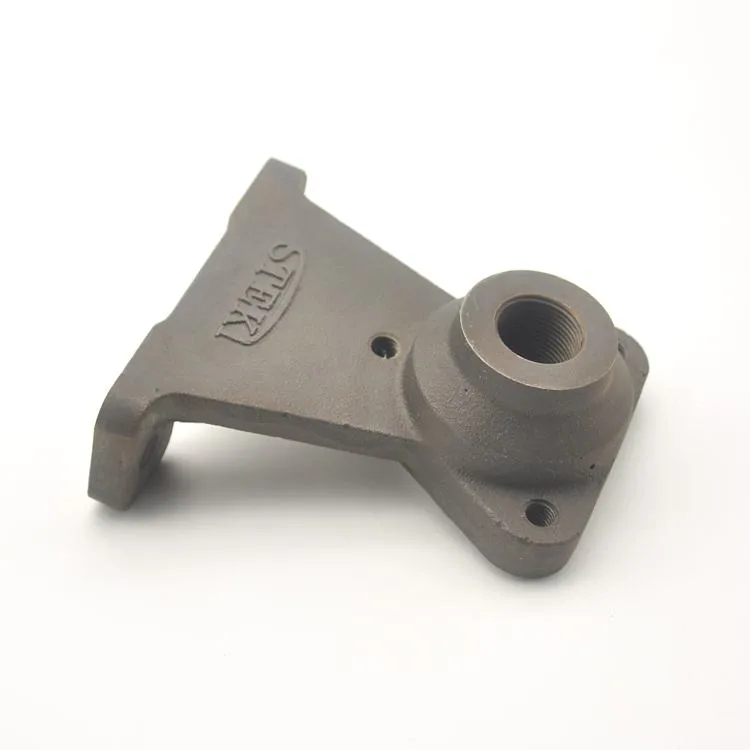
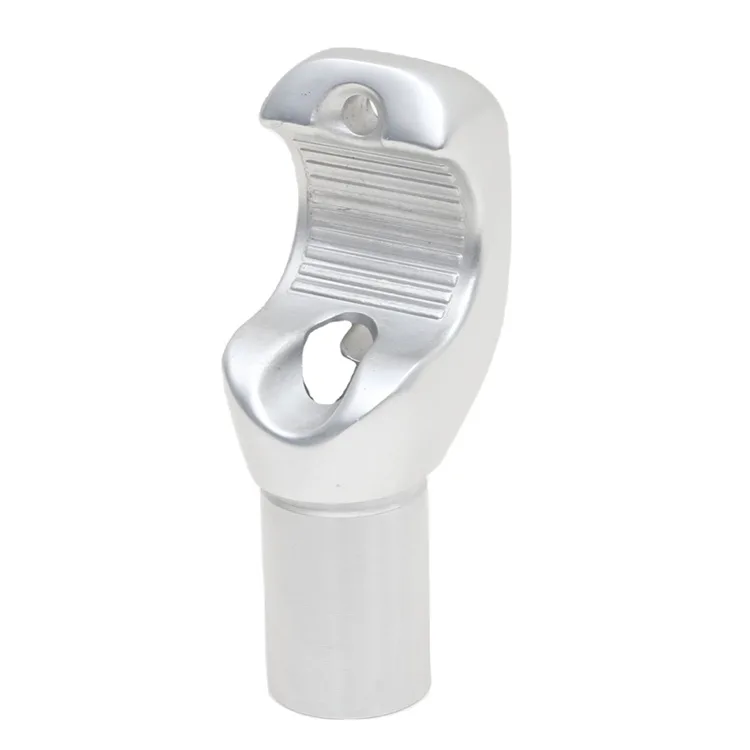
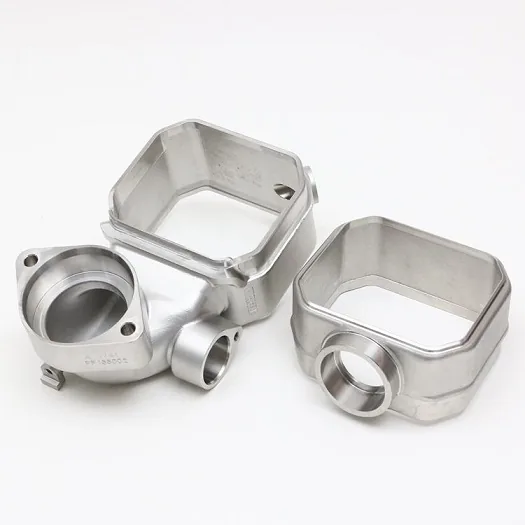
Carbon steel may need plating, conversion treatment or paint depending on exposure. Aluminum alloys are often candidates for anodizing or conversion coatings. Stainless steel may benefit from cleaning, pickling, passivation or electropolishing where suitable. Each treatment has its own dimensional and cosmetic implications.
Common Problems and Risks
Coating build-up can affect threads, bores, fits and sealing faces. Blind holes, sharp corners and recesses may show different coating behaviour from open surfaces. Masking and final tolerance planning should be settled before manufacturing, not after CNC machining is complete. Some high-strength steel parts also require specific precautions against plating-related hydrogen embrittlement.
What to Specify and Check
Include the coating specification, colour or appearance reference, thickness acceptance, corrosion test method and packaging expectations in the purchase documents. Identify any surface that must remain untreated. A supplier should confirm both the finish and the inspection evidence required for release.
Illustrative Application (Not a Customer Case)
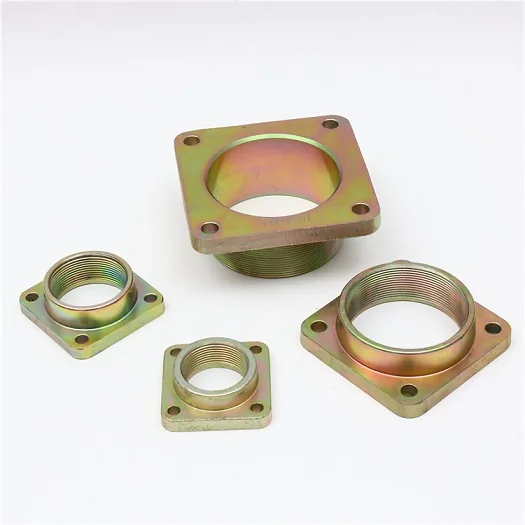
Consider carbon-steel flanges shipped by sea. Corrosion protection during transport matters alongside dimensions. Plating, temporary oil and protective packaging must be consistent with the customer’s final assembly and cleanliness requirements.
Practical FAQ
FAQ: Does passing a salt-spray test guarantee service life outdoors? No. The test verifies performance under a specified procedure, while real exposure, geometry, material and maintenance also matter.
Information for a Manufacturing Review
For a drawing-based custom component, provide the controlled 2D or 3D drawing, material specification, expected quantity, critical features and applicable inspection requirements. Final manufacturing and acceptance criteria should be agreed in the project documentation.