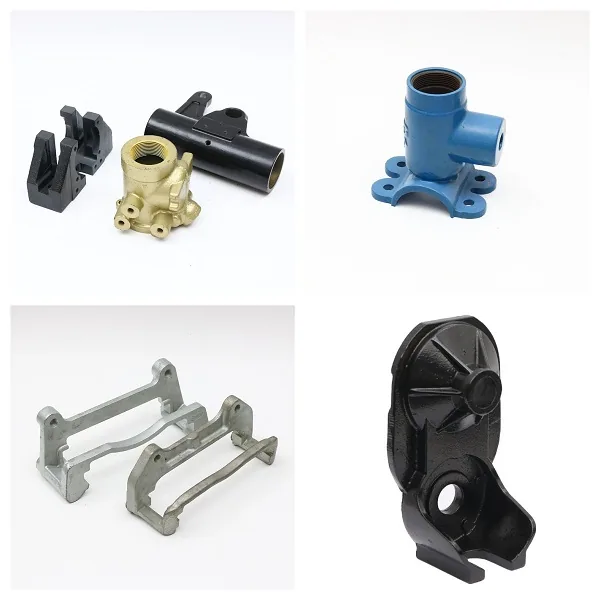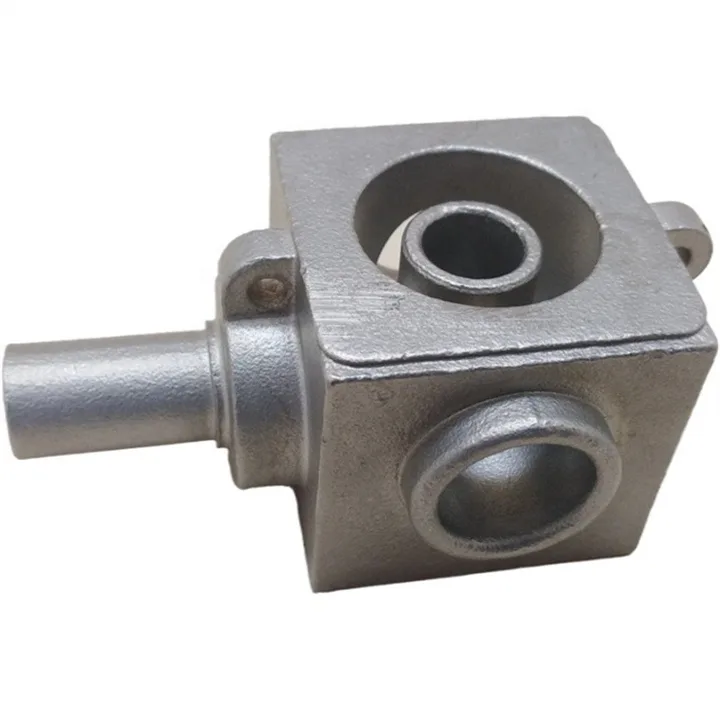
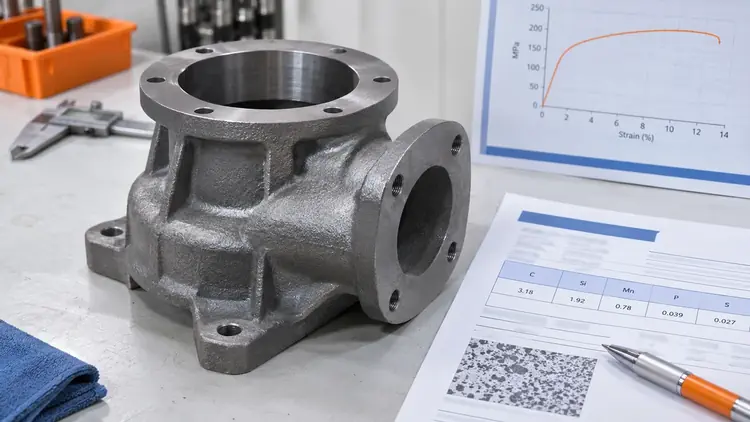
A material certificate can look complete and still leave an important question unanswered: does it prove that the gray iron casting meets the specified grade? For a pump housing made from HT250, the answer depends on which test was performed, which sample was tested and how that result is linked to the castings being supplied.
This distinction matters when a buyer receives a chemical analysis sheet with carbon, silicon and manganese values, followed by a separate tensile-test report. Both can be useful. They do not measure the same property, and two reports from different melts or specimens must not be presented as evidence for one production batch.
What does HT250 actually tell the buyer?
HT250 is a gray cast iron designation under GB/T 9439-2023. The grade is primarily associated with a specified tensile-strength class determined using the applicable test specimen and acceptance conditions. In common grade references, the 250 designation relates to a minimum 250 MPa tensile strength for the specified separately cast or side-by-side sample. That number should not automatically be applied to a specimen cut from any wall of a finished casting.
The cooling rate, local wall thickness and graphite structure affect the properties of gray iron. A thick pump-housing section and a thin rib can behave differently even when poured from the same melt. That is why a buyer should check the specimen type, material standard, sampling basis and acceptance requirement rather than searching a report for one number.
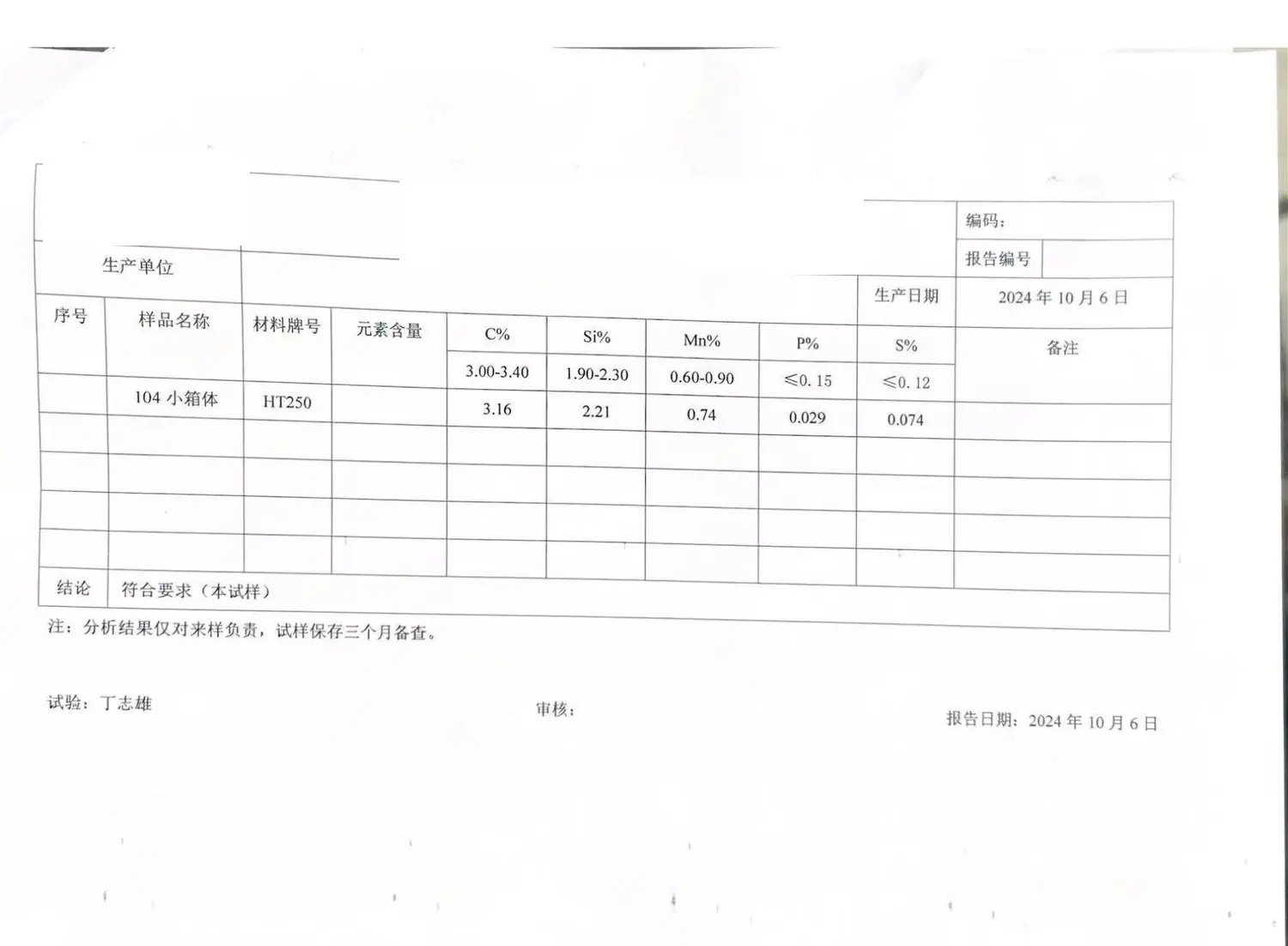
A chemical analysis report answers a different question
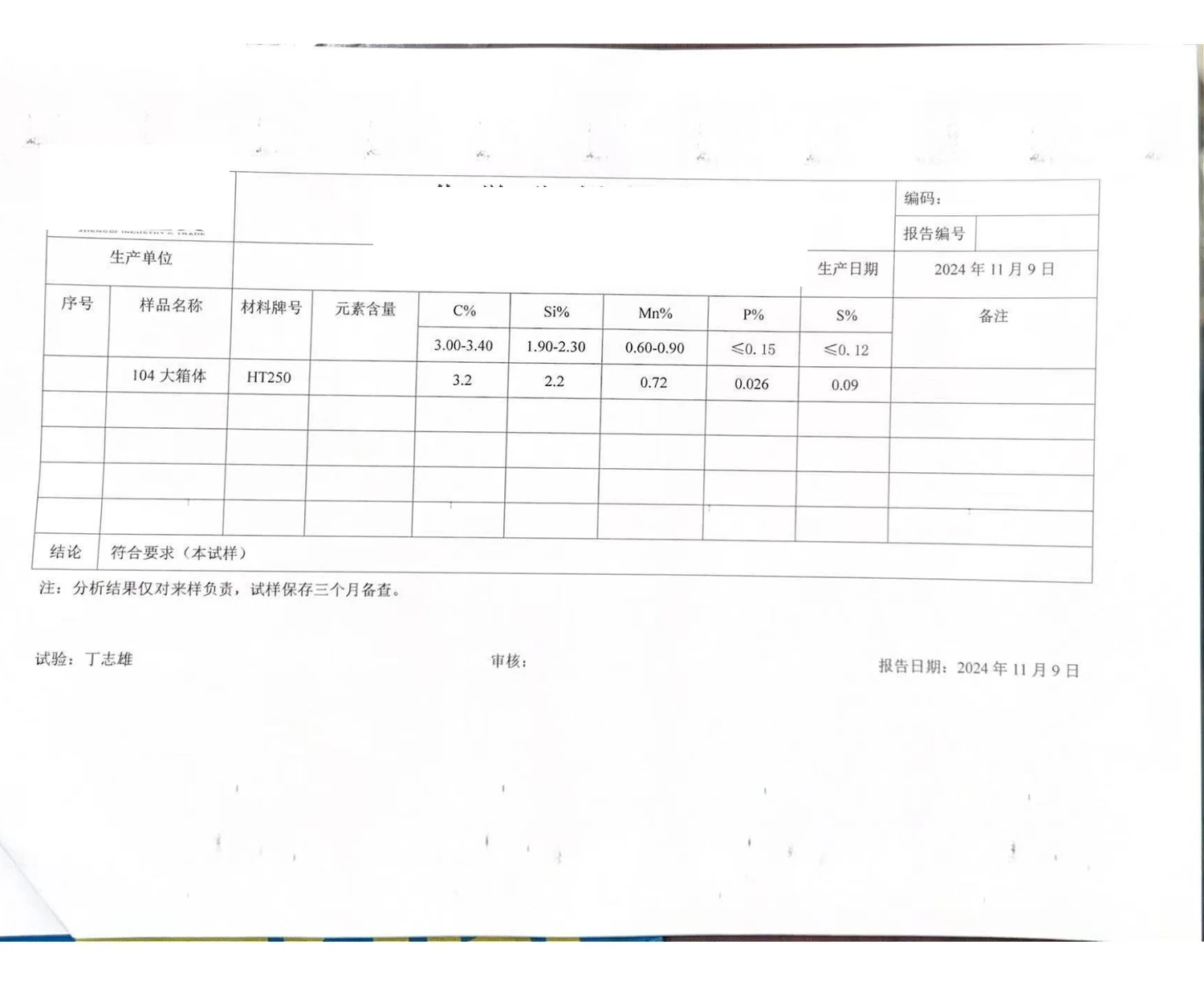
A chemical composition record shows which elements were measured in a sample. For gray iron, typical reported elements include carbon, silicon, manganese, phosphorus and sulfur, with additional alloying elements where relevant. These readings help the foundry monitor the melt and investigate changes in production behavior.
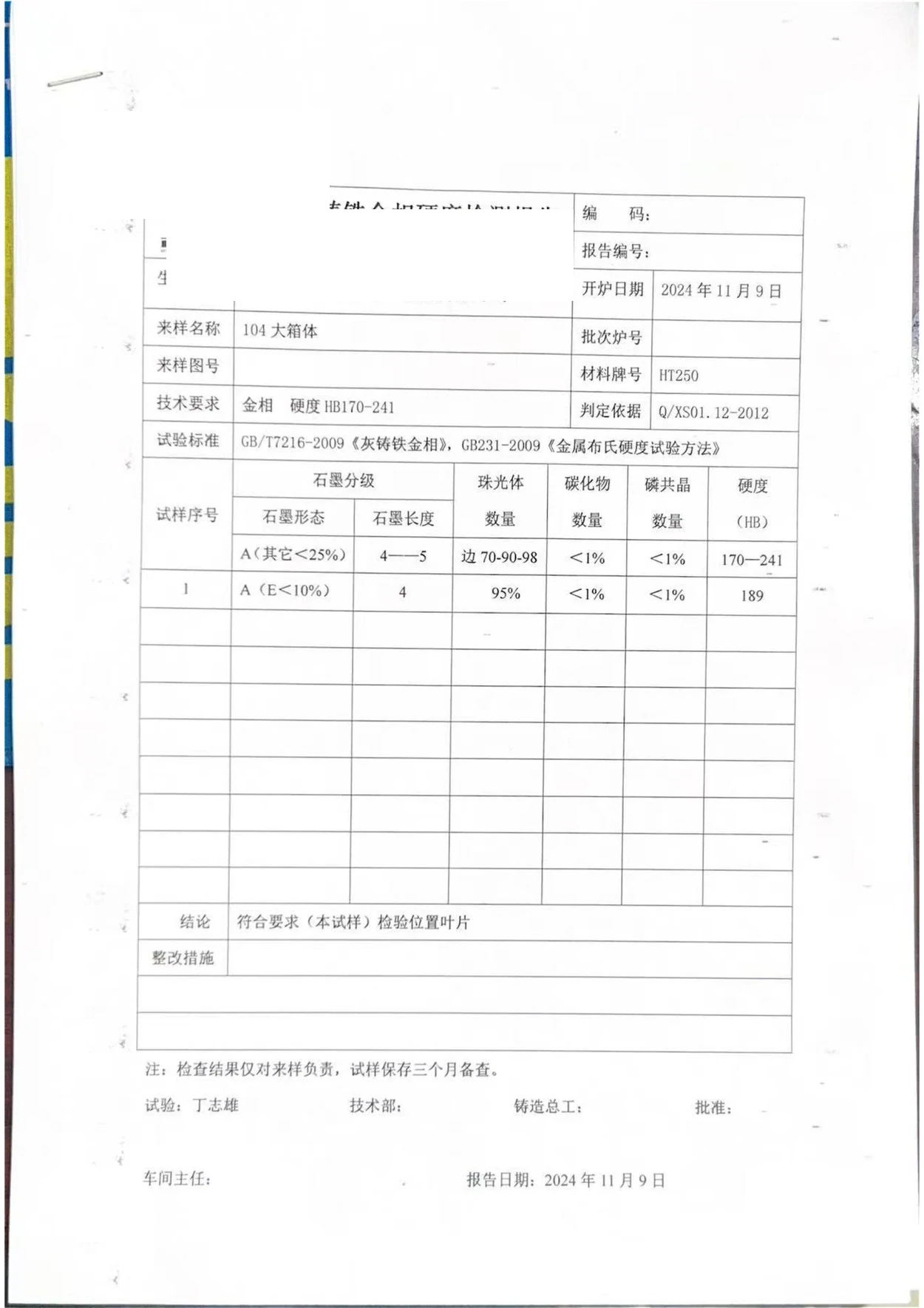
They do not, on their own, establish tensile strength. Nor does an apparently suitable chemical composition prove that an internal casting passage is free from shrinkage, porosity or core-related defects. Chemical composition may become a contractual acceptance item when the specification expressly defines limits and testing requirements; otherwise, it should not be used as a shortcut for the material grade's mechanical-property verification.
Before approving the document, look for the material designation, applicable standard, sample or melt reference, measured elements, units, test date and laboratory identification. The document becomes much more useful when its reference can be connected to the correct production lot.
Why the tensile-test specimen matters
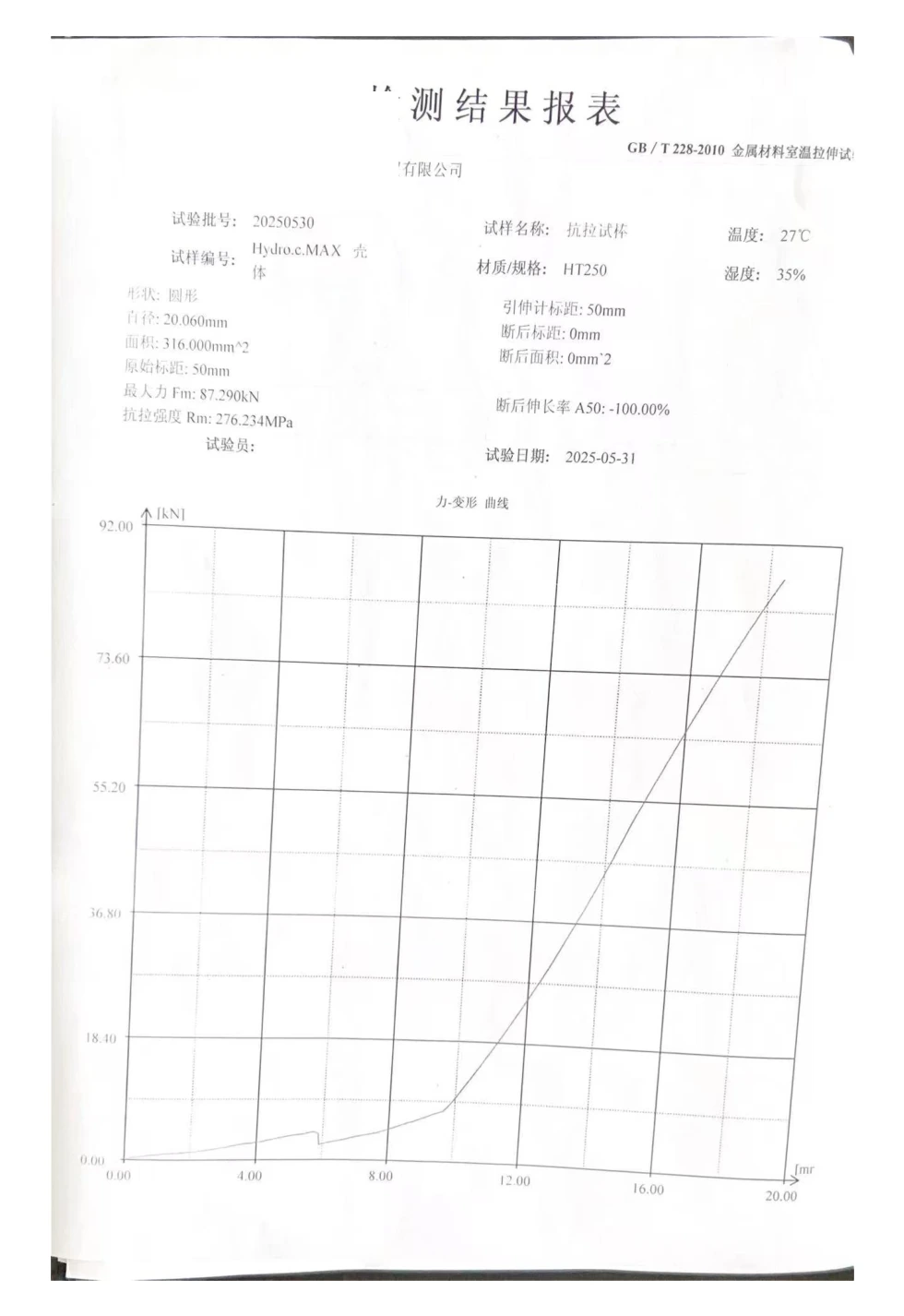
A tensile-test report evaluates how a prepared specimen responds to a controlled tensile load. Useful fields include specimen identification, cross-sectional dimensions or test method, maximum force, calculated tensile strength, date and, where available, the test curve. The result must be read together with how the specimen was obtained.
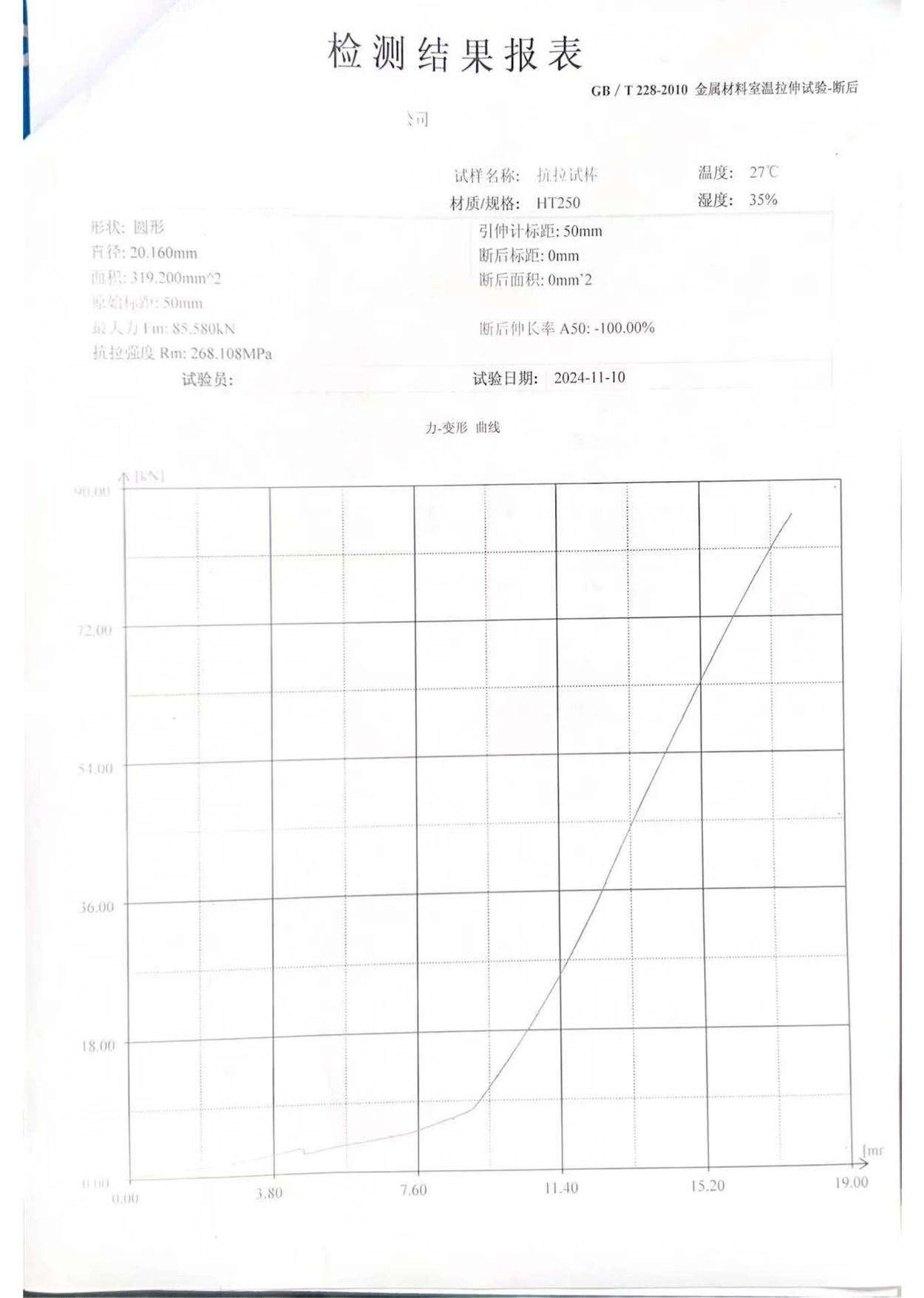
GB/T 9439-2023 recognizes different specimen arrangements, including separately cast samples, attached test blocks and specimens taken from the casting body. Their results are not interchangeable without reference to the standard and agreement. A specimen removed from a particular part of the casting may have a different required value from a separately cast test bar.
For a pressure-containing or heavily machined pump component, the engineering team may also need to consider local wall thickness, machining allowance, required surface integrity or functional tests. A satisfactory tensile result does not replace a pressure or leakage test where the drawing requires one.
How to review a material document package
| Buyer question | Evidence to review | Risk if overlooked |
|---|---|---|
| Is the correct material specified? | Drawing or PO material designation and standard edition | Acceptance criteria may not match the order |
| What was actually tested? | Chemical analysis, tensile strength, hardness or another agreed test | A chemistry report may be mistaken for a strength certificate |
| Which specimen was used? | Separately cast, attached or casting-body specimen, as applicable | Results may be compared against the wrong requirement |
| Does it relate to this delivery? | Melt/heat, lot and shipment references | A valid report may belong to a different batch |
| Are additional checks necessary? | Drawing-defined dimensional, integrity or functional requirements | Material evidence may be mistaken for complete part approval |
What this means for a machined pump housing
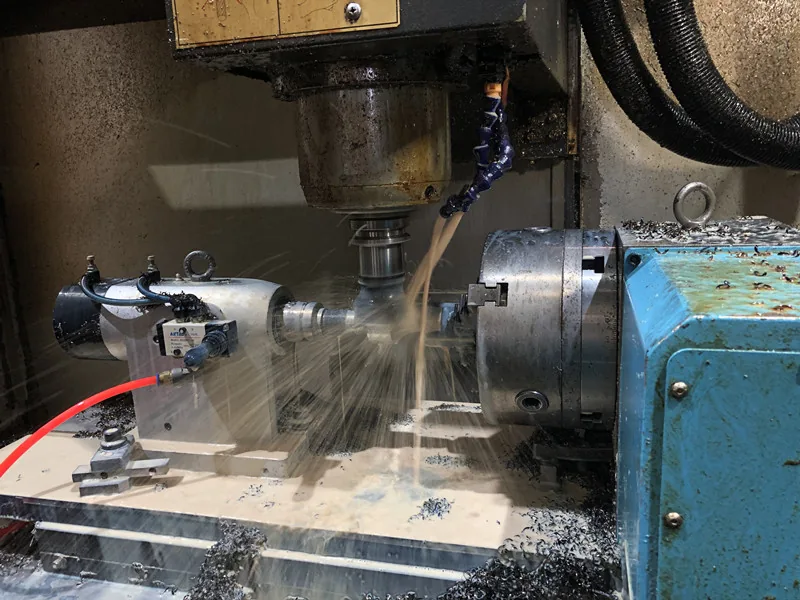
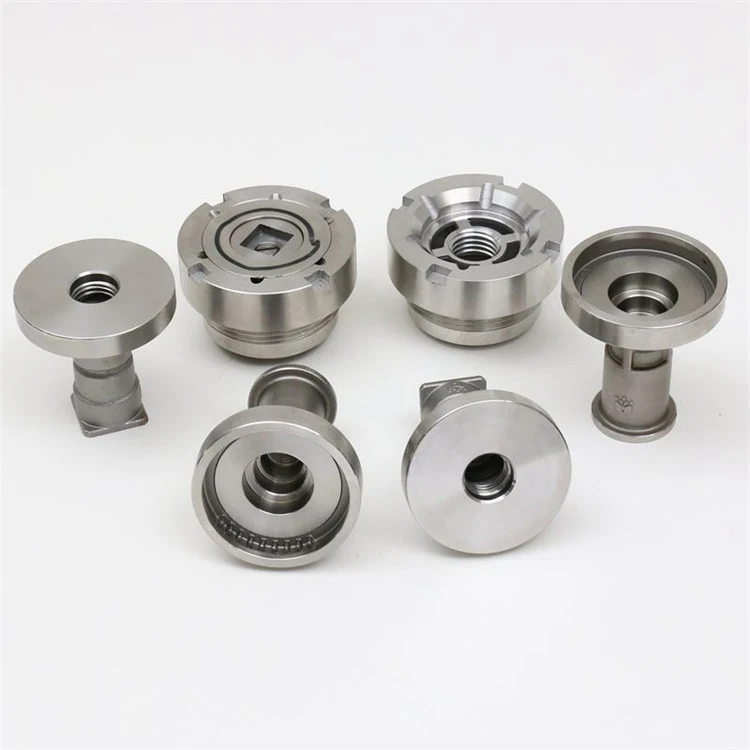
Suppose a customer needs an HT250 pump housing with a finished sealing face and a closely controlled bearing bore. The material review answers whether the agreed material properties were verified. It does not answer whether the bore position is correct, whether sufficient wall remains after machining or whether a pressure test passed. Those questions need their own inspection methods.
This is why we prefer to review material requirements alongside casting geometry and subsequent machining. On a custom casting project, an early discussion about the specimen type and required reports is usually much easier than debating the meaning of a certificate after parts have reached incoming inspection.
Ask these questions before ordering HT250 castings
Which edition of the material standard applies? Is tensile strength an acceptance criterion, and which specimen type will be used? Do you require chemistry, hardness, metallographic, dimensional or functional records? How will those documents be traced to the castings being delivered?
At TIANHUI, we can review the requested material and inspection scope together with the sand casting, CNC machining and quality control requirements for the component. Share the drawing, grade and intended operating conditions when you discuss your project with our team.