Engineering Context
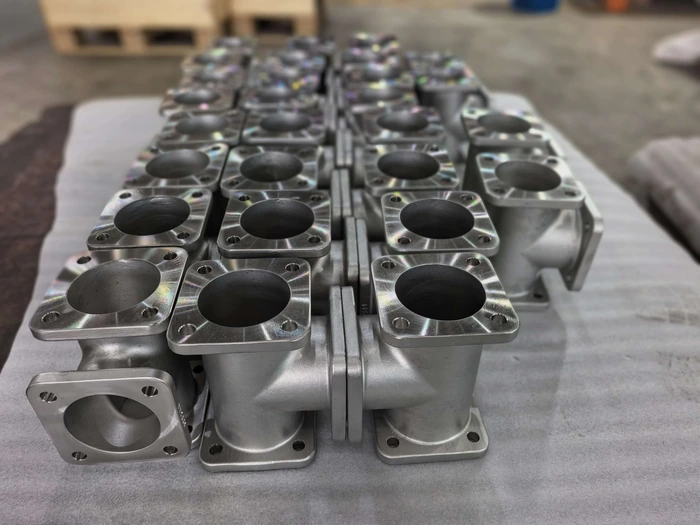
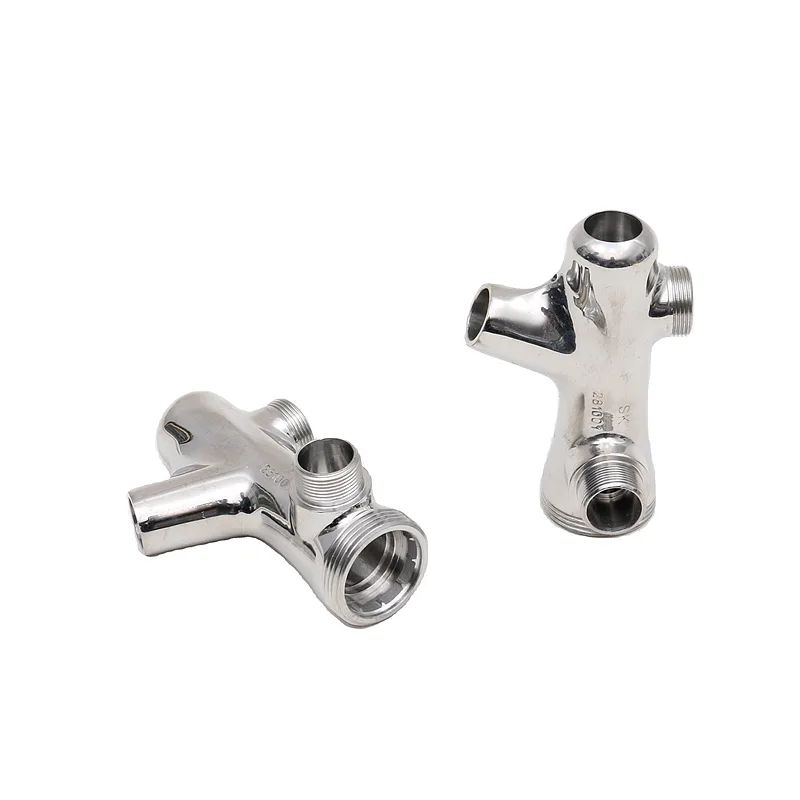
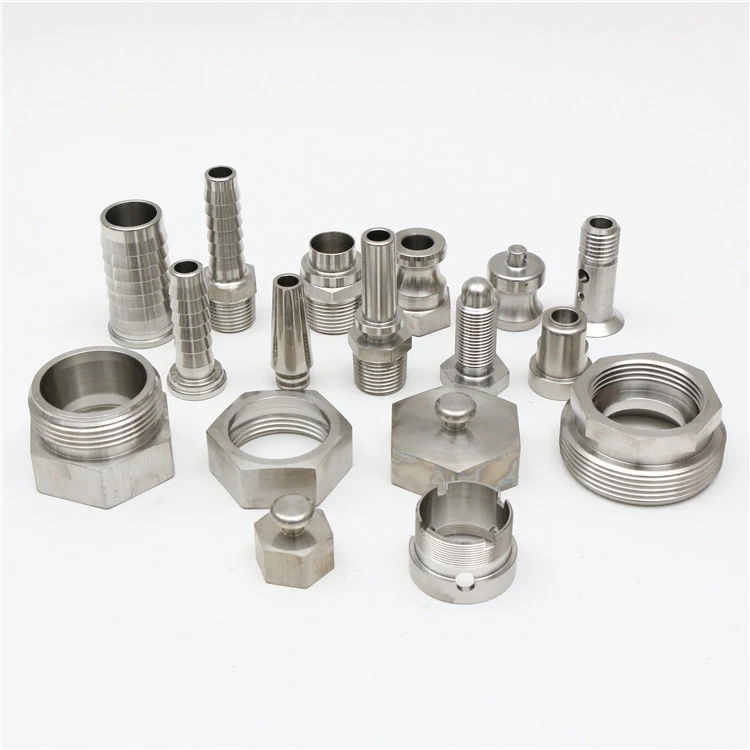
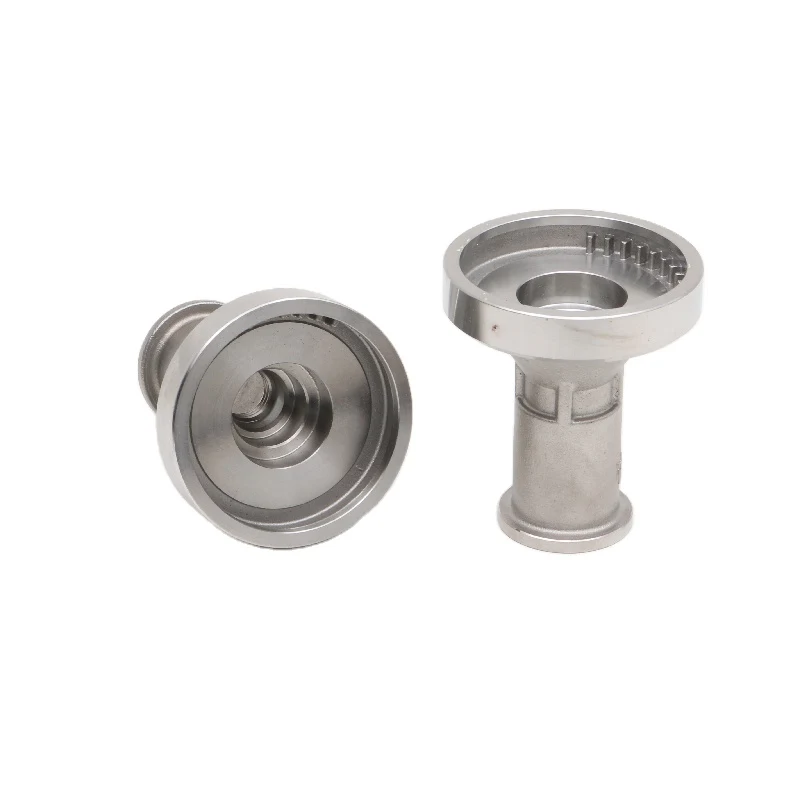
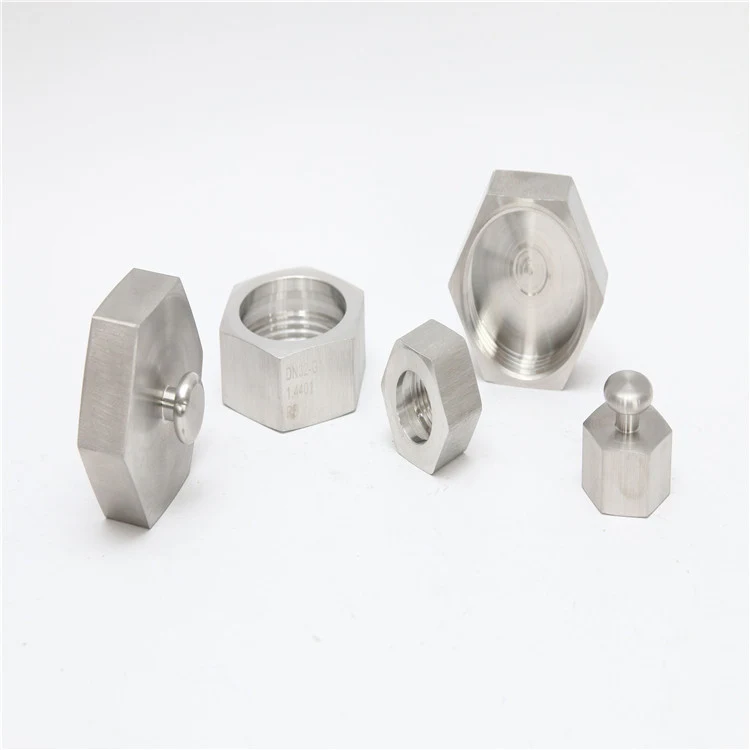
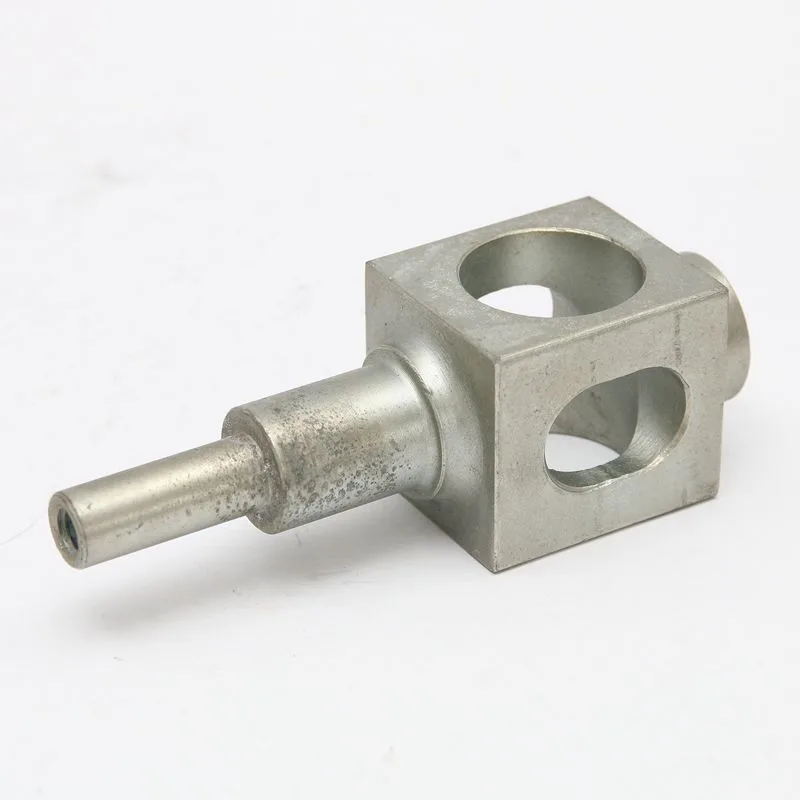
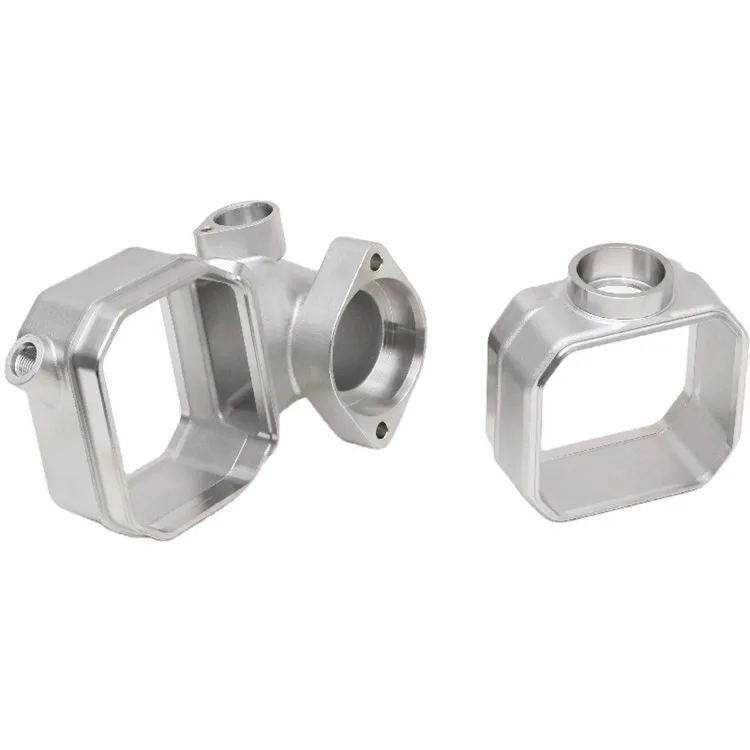
CNC turning primarily removes material from a rotating workpiece, making it well suited to shafts, bushings, outer diameters and coaxial bores. CNC milling uses a rotating cutter to create faces, slots, pockets, hole patterns and complex profiles. The geometry and functional datums determine the better route.
Process and Design Choices
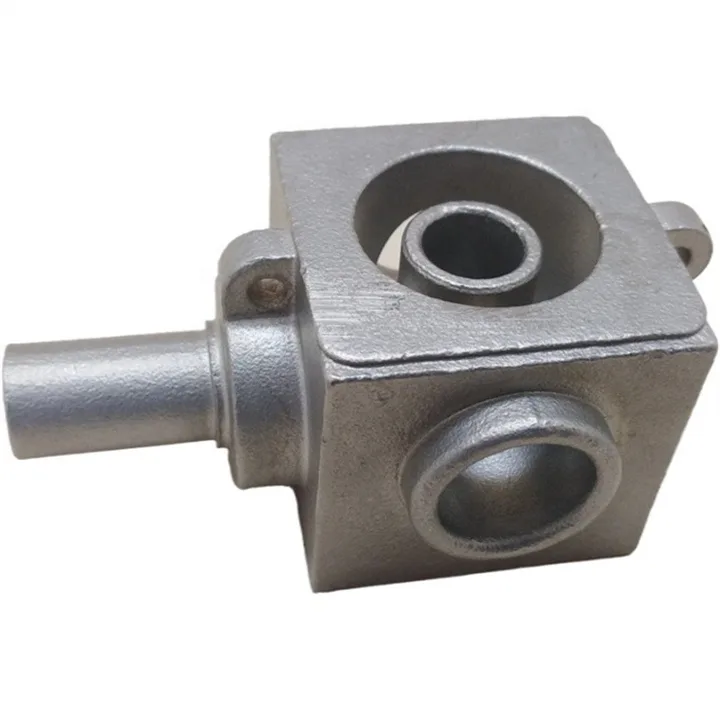
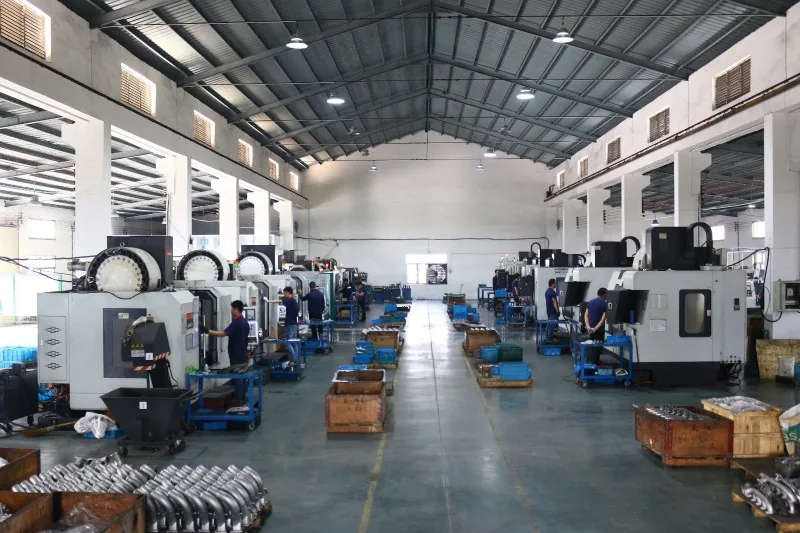
Turning is often efficient for rotational features and concentric relationships. Machining centres handle multiple faces and non-rotational geometry. Live-tool lathes and multi-axis machines can combine operations, but that does not automatically make them economical. Volume, setup count, accuracy and equipment cost still matter.
Common Problems and Risks
Cross holes in cylindrical parts, delicate thin walls and features requiring several fixture orientations can increase cost quickly. Unnecessary close tolerances on nonfunctional surfaces may also add inspection and machining time without improving assembly performance.
What to Specify and Check
Send a controlled drawing and 3D model, material grade, batch quantity, required surface finish and geometric tolerances. Ask how many setups are expected and which features establish the primary datums. That conversation often reveals practical ways to reduce production risk.
Illustrative Application (Not a Customer Case)
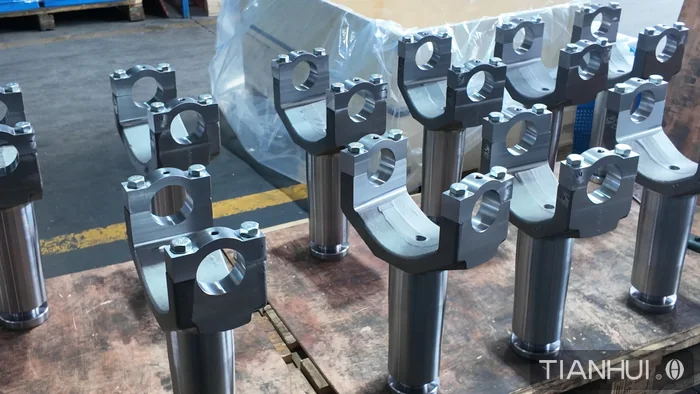
A transmission yoke may combine cylindrical bores and milled mounting faces. Turning and milling could both be required. The critical question is how connected features are referenced and inspected, not which machine sounds more advanced.
Practical FAQ
FAQ: Is five-axis machining always cheaper? No. Fewer setups may improve consistency, but hourly machine cost, fixture needs, programming and order volume still determine economics.
Information for a Manufacturing Review
For a drawing-based custom component, provide the controlled 2D or 3D drawing, material specification, expected quantity, critical features and applicable inspection requirements. Final manufacturing and acceptance criteria should be agreed in the project documentation.