Engineering Context
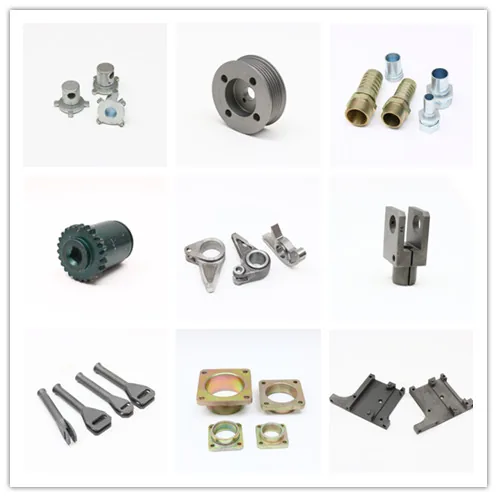
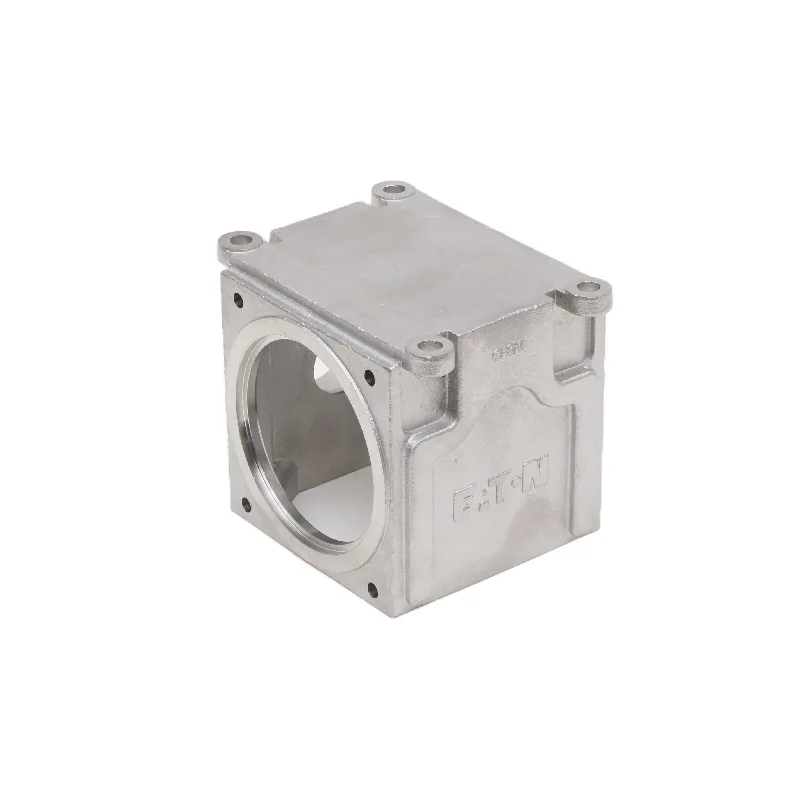
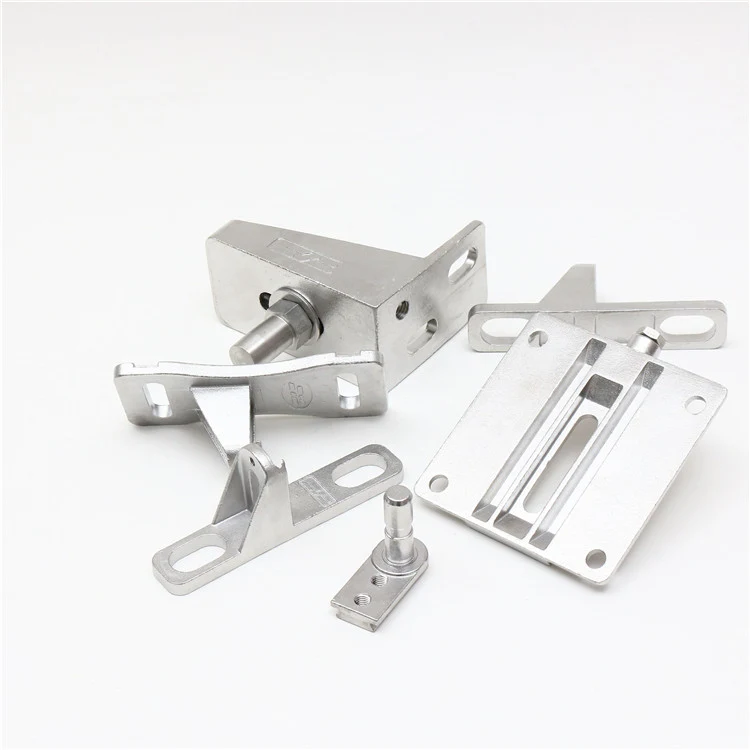
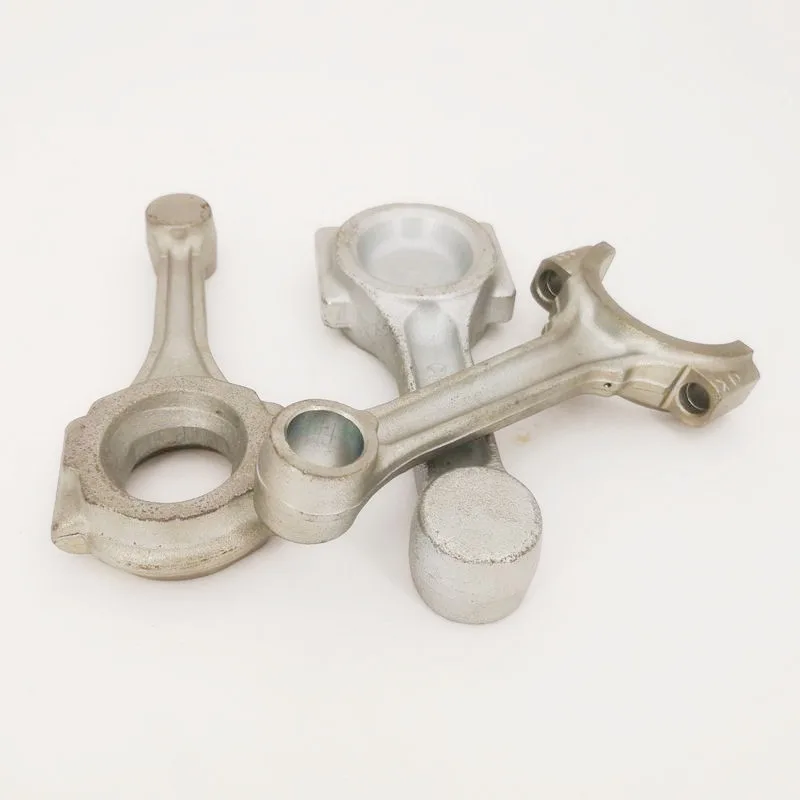
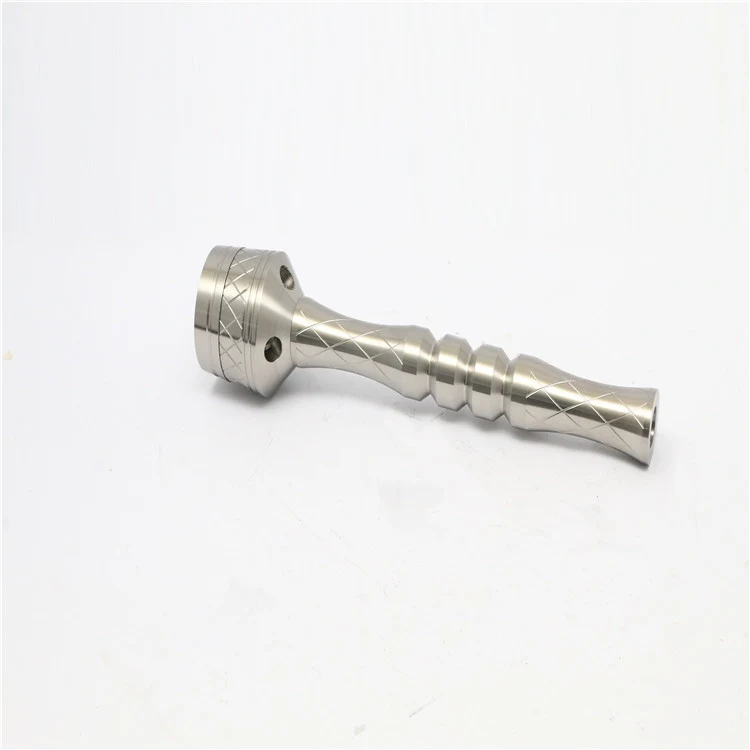
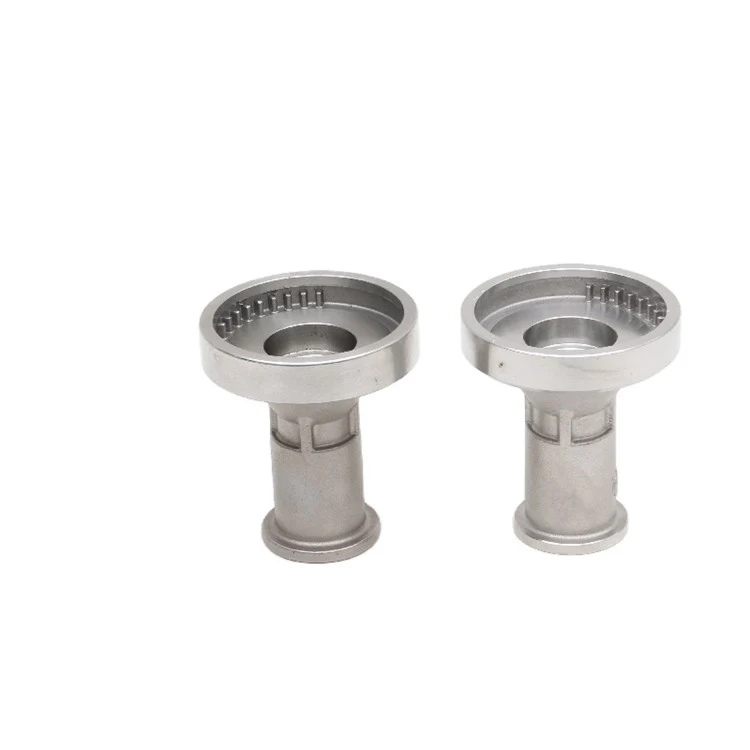
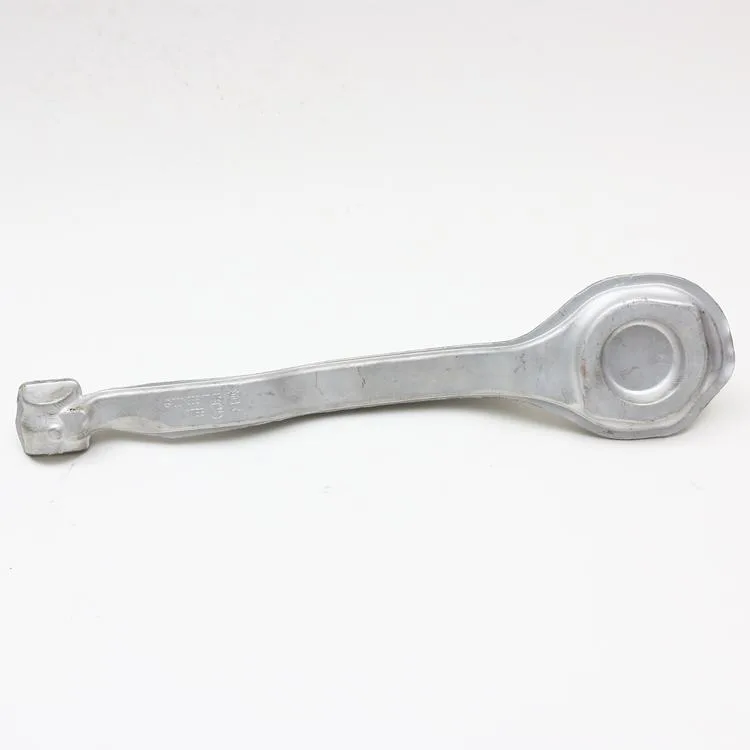
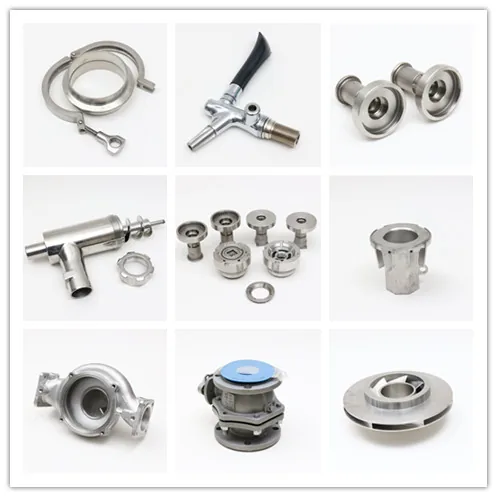
Investment casting uses a sacrificial pattern and ceramic shell to form complex stainless steel blanks. It can reduce heavy machining from solid and allow several features to be integrated into one component. However, near-net shape does not mean that every functional feature can remain as-cast.
Process and Design Choices
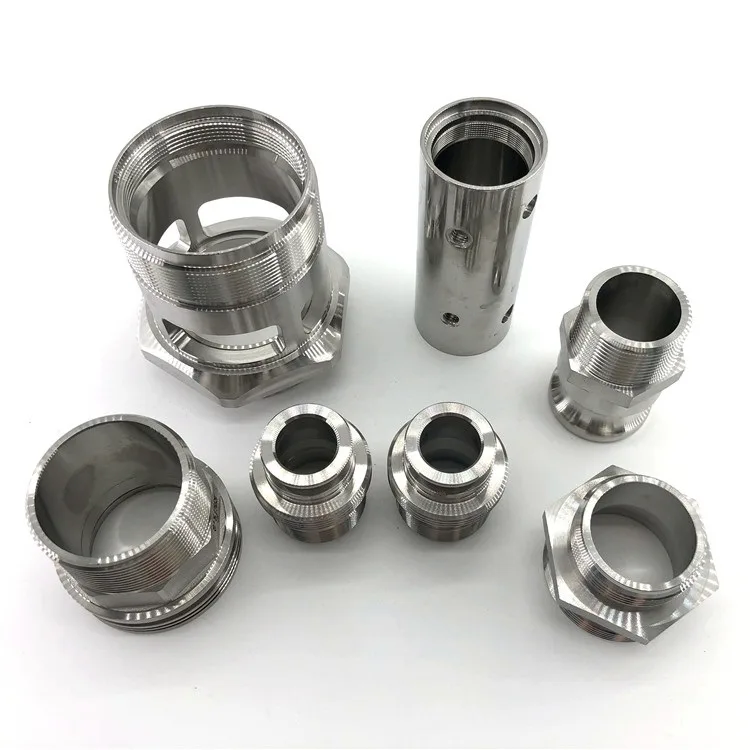
Material grade, wall transitions, feeding, draft decisions and machining allowances should be reviewed before tooling approval. Sealing faces, precision bores, threads and other assembly interfaces commonly require CNC finishing. A suitable datum strategy matters because the casting will be clamped and measured in subsequent operations.
Common Problems and Risks
Porosity, shrinkage, inclusions, deformation and local dimensional variation remain manufacturing risks. A smooth outside surface does not prove internal integrity. Pressure-containing or fatigue-critical applications may call for additional examination according to an agreed acceptance specification.
What to Specify and Check
Provide the material standard, intended application, annual quantity, machining scope and inspection acceptance criteria. Discuss DFM and sample approval before committing to repeat production. The best quotation separates tooling, casting, machining and required tests.
Illustrative Application (Not a Customer Case)
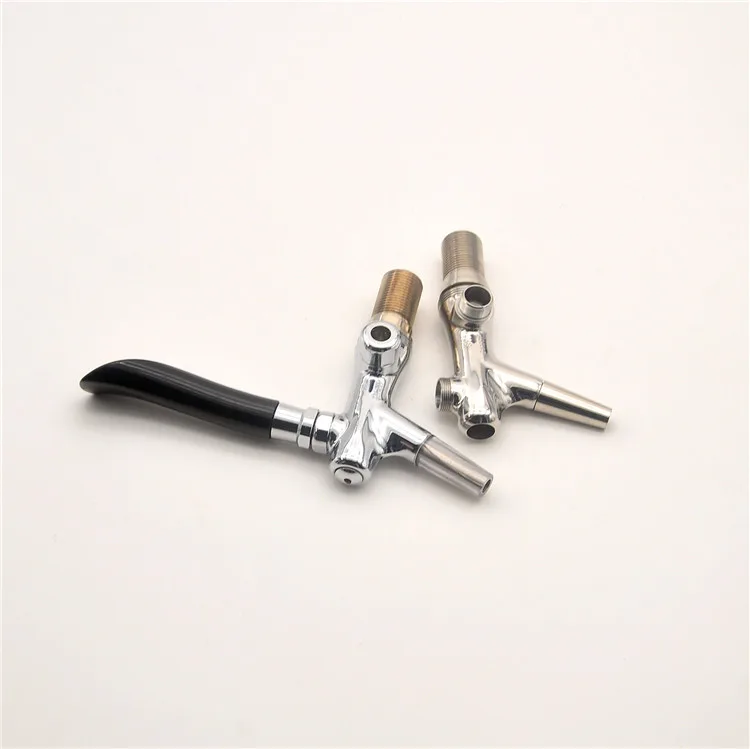
A stainless valve body with curved passages and mounting bosses can be compared as an investment casting or a machined-from-solid part. Tooling may dominate a low-volume prototype, while recurring production can shift the economics.
Practical FAQ
FAQ: Can a smooth casting surface replace NDT? No. Whether PT, radiography or another method is needed depends on function, pressure, risk and the agreed acceptance specification.
Information for a Manufacturing Review
For a drawing-based custom component, provide the controlled 2D or 3D drawing, material specification, expected quantity, critical features and applicable inspection requirements. Final manufacturing and acceptance criteria should be agreed in the project documentation.